

Inside Volvo’s Efforts To Build Recycled Cars
The Swedish carmaker isn’t a giant by sales, but Chief Sustainability Officer Vanessa Butani wants it to be a circular business leader with aggressive reuse of metals, batteries and other materials and climate-neutral auto-assembly plants. Volvo Cars isn’t a giant of the automotive industry, delivering fewer than 800,000 vehicles last year. But when it comes to […]

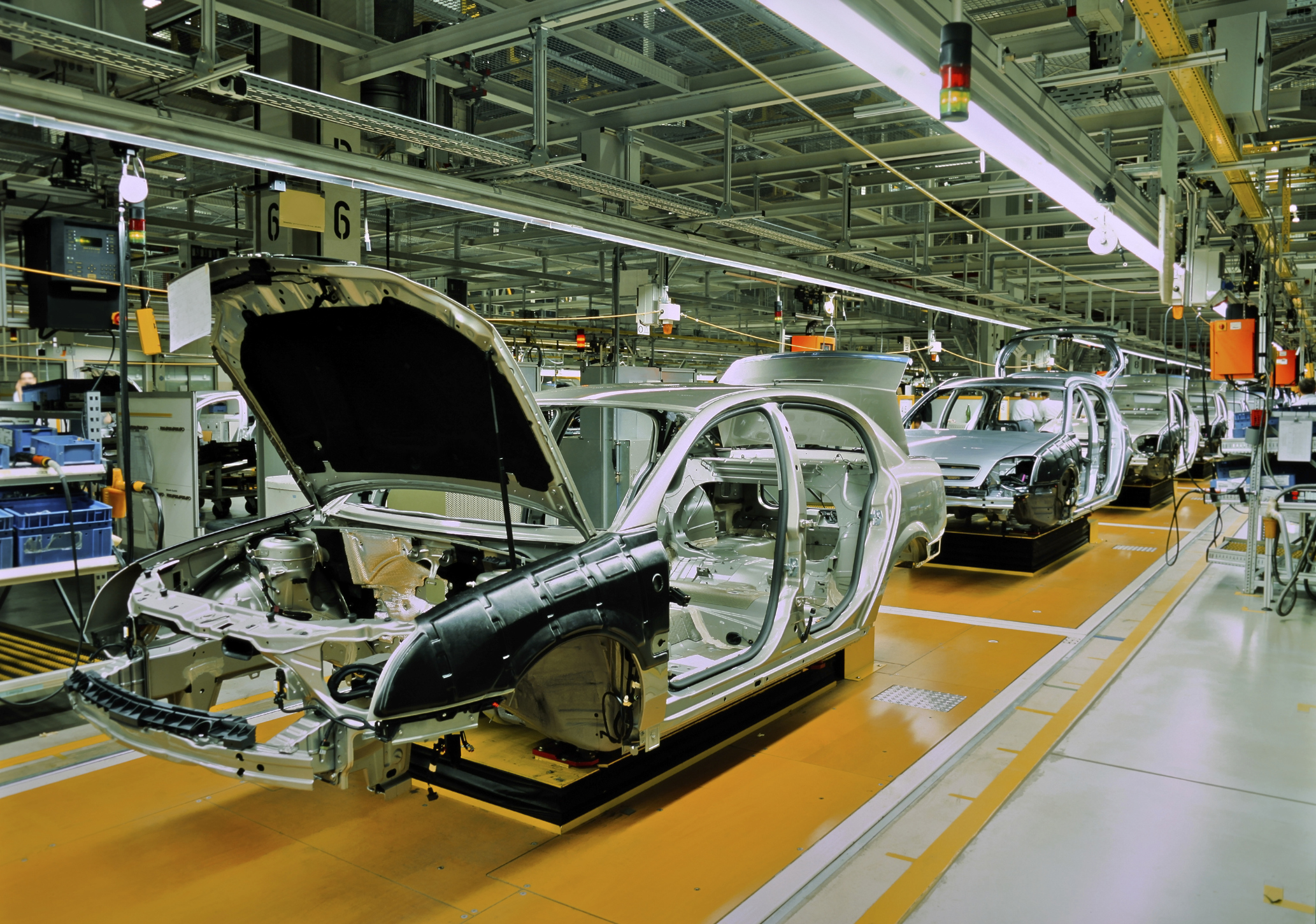
The Swedish carmaker isn’t a giant by sales, but Chief Sustainability Officer Vanessa Butani wants it to be a circular business leader with aggressive reuse of metals, batteries and other materials and climate-neutral auto-assembly plants.
Volvo Cars isn’t a giant of the automotive industry, delivering fewer than 800,000 vehicles last year. But when it comes to sustainability, its ambitions are much bigger.
Along with electrifying its lineup, Volvo is converting its factories to be carbon-neutral and aiming to slash water use by 50%. By the end of the decade, the Gothenburg, Sweden-based carmaker wants 35% of all content used to make a new vehicle to be recycled, an industry-leading target. Ultimately, it aims to be a fully circular business by 2040.
“This is where we see we can make an impact,” said Chief Sustainability Officer Vanessa Butani, who is honored today on Forbes’ Sustainability Leaders list. “We may be small, but with the ambition that we have, the heritage we have, and also knowing that this is what is expected of us by our customers, by our stakeholders, we want to lead the way.”
The U.S. auto industry is in upheaval as the Trump administration seeks to dramatically slow the shift to electric vehicles, loosen emissions and environmental rules and promote the idea climate change isn’t as worrisome as Americans have been led to believe. But that ignores an intense global competition among automakers, especially in Asia and Europe, to show consumers they’re making big changes to cut carbon pollution and go electric. And though it’s smaller than many rivals, Volvo is moving fast to overhaul its operations.
Founded nearly a century ago, Volvo Cars, not to be confused with its former truckmaking parent AB Volvo, has been the primary European auto brand of China’s Geely Holdings, which acquired it from Ford in 2010. It also makes high-performance EVs at its factories for affiliate Polestar, which also counts Geely as a parent. (Both brands were signatories this month to a letter urging the EU not to relax a 2035 target essentially requiring all vehicles to be electric.) The China connection is helpful given that the country is by far the world’s biggest buyer of EVs and ranks as Volvo Cars’ second-biggest market, behind Europe and ahead of the U.S.
Since 2021, the company has modified assembly plants in Sweden and China to be carbon-neutral, utilizing biogas as a major power source. It announced in 2022 that a new factory in Slovakia opening next year will also be powered by energy that doesn’t add to carbon emissions. The company is also using “megacasting,” a manufacturing process that replaces 100 small parts with a single large aluminum one to curb costs and plant emissions.
But its recycling goal is perhaps its most aggressive. It’s working with Swedish steelmaker SSAB to use recycled steel but making cars with greater percentages of recycled content is not as simple as it might have been decades ago, when cars were mainly made of steel, aluminum, glass and rubber, before large amounts of plastic, complex electronics and lithium-ion batteries were included.
The company’s making progress, especially with its new ES90 premium EV, but has a lot more to do to hit its 35% target, Butani said. “We’re getting up to 29% recycled aluminum in the ES 90; 18% recycled steel and 16% recycled polymers and bio-based materials. We’re getting there, but it’s hard,” she said. “We’ve realized it’s hard when you have the batteries coming in there. That makes it trickier.”
That’s because the supply of recycled battery materials, especially lithium, remains limited, but it’s growing. As a result, lithium-ion battery cells are still heavily reliant on a global supply base of raw materials, much of which is processed and refined in China, adding to the carbon intensity of EV production. Still, Volvo has made progress on providing so-called battery passports for its electric models, indicating battery materials used, where they came from and how they were made, two years ahead of a new European Union law requiring them.
“We’re trying to be as transparent as we can,” Butani said.
Unlike China, where EVs and plug-in hybrids accounted for 56% of new vehicle sales last month, policy changes in the U.S. will likely curtail sales of the EV models it sells there — even if that doesn’t slow its ambitions. In the meantime, though, Butani said that means focusing more on plug-in hybrids, rather than fully electric cars.
“We’ll continue to invest and innovate in the United States and provide our electrification technology, but we’re also working with our bridge technology, with plug-ins,” Butani said. “The electric vehicle is a better product. It may take some time, but we’re still committed to showing our consumers that it is. Once they see that, they love it. But the plug-in hybrids are a great transition.”
Comments (0)
Sign in to join the conversation.
Related Stories

Equatorial Guinea: Charting A New Era Of Sustainable Prosperity
With a renewed focus on diversification and digitalization, Equatorial Guinea is leveraging its resources to create inclusive, long-term growth. “Agro-processing is a key priority, as our goal is to ultimately achieve national self-sufficiency and independence.” President Teodoro Obiang Nguema Mbasogo Equatorial Guinea is entering a new phase in its economic story–one defined by diversification, competitiveness, and connection. […]

Foundations Strengthening A National Future
Policy reforms, national capabilities, and coordinated institutions reinforce long-term growth across Equatorial Guinea. Q. How is your ministry advancing the national development agenda across key sectors such as agriculture, energy, and tourism, and what priorities guide your efforts to drive long-term economic growth and self-sufficiency? Hon. José Juan Ndong Tom Mekina, Minister of Agriculture, Livestock, Forestry, […]

Equatorial Guinea’s Energy Reset And The Revival Of Its Hydrocarbons Sector
As Equatorial Guinea reshapes its position in the regional energy market, GEPetrol is steering the shift to secure production, attract reliable partners, and align upstream growth with long-term economic goals. “Our strategic vision is to develop projects that are sustainable in the long term, and that also revive the economy.” Bienvenido Nguema Envo, General Manager of GEPetrol In 2024, […]
Recommended




The Daily Brief