

Over 30 Under 50: Tenacious, Transformative And Triumphant
The women on the third annual FORBES AFRICA Over 30 Under 50 list hail from different industries, countries, and communities across Africa, but are united by one defining trait: a willingness to take risks. From business leaders and comedians to Amapiano artists and tech pioneers, they are boldly betting on themselves—choosing decisiveness and tangible impact over comfort and complacency in […]

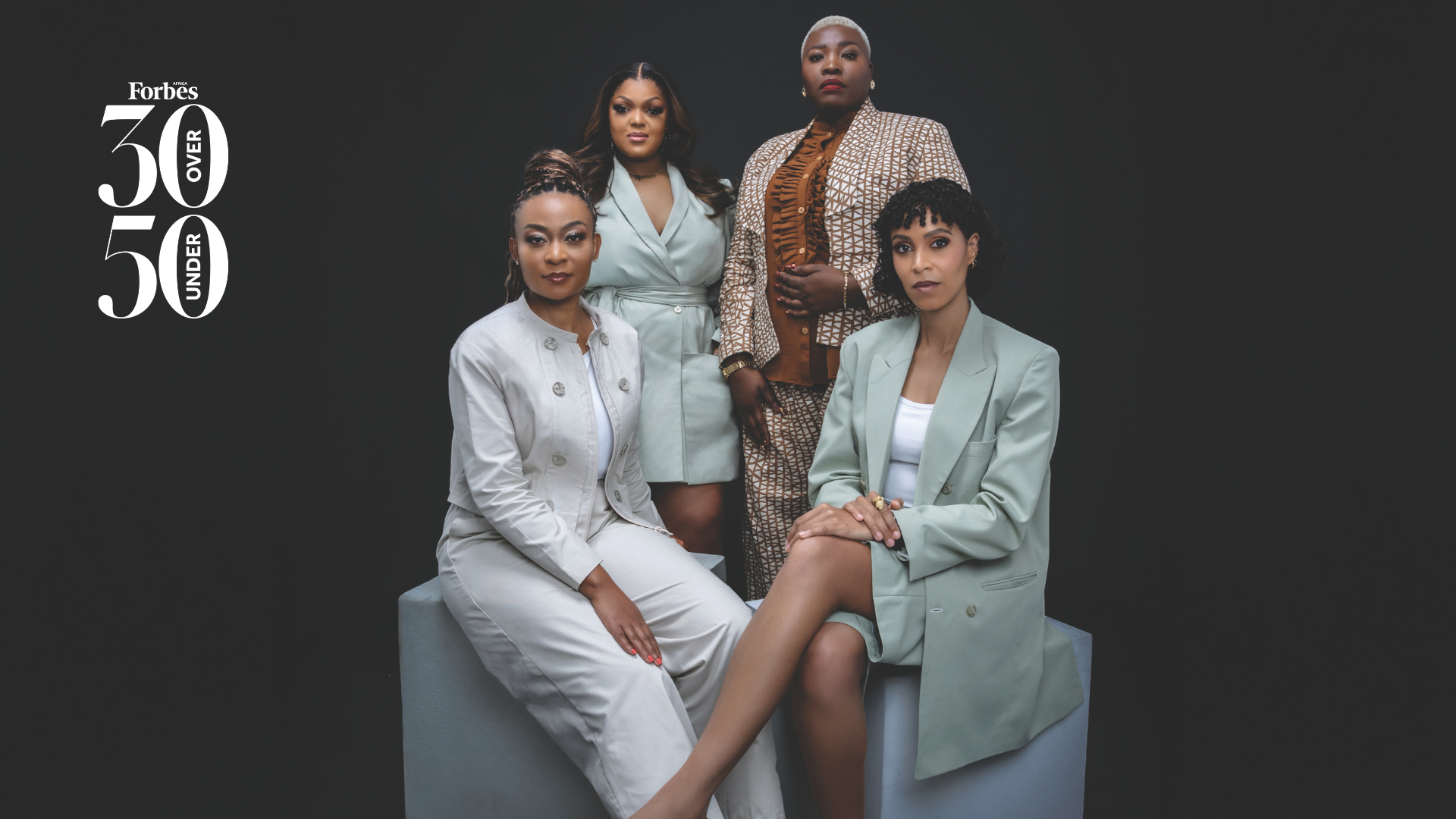
The women on the third annual FORBES AFRICA Over 30 Under 50 list hail from different industries, countries, and communities across Africa, but are united by one defining trait: a willingness to take risks. From business leaders and comedians to Amapiano artists and tech pioneers, they are boldly betting on themselves—choosing decisiveness and tangible impact over comfort and complacency in the third and fourth decades of their lives.
Art Director: Manelisi Debata
Additional research: Nicole Pillay, Keren Beya, Oluwatomisin Amokeoja and Freddie Hiney
Audit and Verification Partner: SNG Grant Thornton
Photography Assistant: Hlumela Mbedu and Bongani Zwane
Stylist: Onela Joni Stylist’s Assistant: Sinazo Mona Outfits: OJ Designs
Makeup: Sibulele Sisilana Hair: Patrick Matsimbi
Set Design: Tote’ly.za
Studio: SunshineCo, Johannesburg, South Africa
Gone are the days of ‘a first for women on the continent’. Each year, more and more women are stepping into a leadership role, commanding boardrooms, headlining massive festivals, and taking charge in traditionally male-dominated areas. and why shouldn’t they?
Just ask the women in their 30s and 40s who have stepped into their ‘unstoppable’ era without fear or favor, determined to forge their own path and forgo everything that previously held them back–particularly stereotypes and traditional expectations.
“The problem is getting me to care,” Yvette Tetteh, Ghanaian entrepreneur and CEO of Pure and Just Co., says to FORBES AFRICA.
“If I don’t care about something, it’s really hard to do it… The biggest question for me is, do I care enough? This is actually a big question for anyone. If you care enough, you can do it. Maybe this is my great superpower.”
South African comedian and actor, Celeste Ntuli, elaborates: “Growing up, I realized how much scrutiny women are under—especially those who choose to live differently.
“I saw how quickly judgment shows up. There’s even a new language now: women who exist in between categories—not married, not fitting into the traditional boxes—yet still manifest family, fulfilment and purpose in so many other ways… When you’re a woman achieving anything, the discussion so quickly shifts to ‘But what about your family?’ ”.
She adds: “At some point, I had to ask—don’t you want me to sit in my joy? To be happy about what I’ve achieved?”
Sharing this unapologetic authenticity in a world that often expects women to conform is Kenyan activist and social entrepreneur, Vivian Onano, who frequently encounters commentary about her choice to pursue success without a partner or children.
“This is something women really need to understand: we need to live life on our own terms. There’s this narrative where you’re told you’re wilting, that nobody’s going to look at you; that you haven’t made it. We need to know that there is no expiry date on achievement,” Onano says.
“Do things in your own time, at your own pace, because you’re the only one who truly understands the shoes you’re walking in. Nobody else does. When you try to conform to the narrative and the pressure out there, that’s how people lose themselves. I’ve seen it happen—people doubting their self-worth simply because they tried to fit into someone else’s timeline.”
In a world where systems are ever-changing, Rwandan fashion designer Sonia Mugabo emphasizes that old rules can be rewritten.
“I’m a mother of two little boys and, as a mother, there are huge time demands—balancing the children and the business. I honestly think women are superheroes. How do we manage it all? But somehow, we make it work,” she says.
“And yes, there were days when I wanted to give up, days when I felt blocked or overwhelmed, like I was drowning in the business. But then someone would come up to me and say they loved my dress, and it would lift me. When I walk into a meeting wearing Sonia Mugabo, it reminds me why I started. That sense of support and women backing one another is exactly why I didn’t give up.”
Women across the African continent remain steadfast in owning their futures, regardless of challenges and perceptions.
According to a 2025 article by the World Economic Forum (WEF) focusing on equity, diversity, and inclusion, women account for approximately 58% of the self-employed population in Africa and contribute an estimated 13% to the continent’s GDP. Sub-Saharan Africa also boasts the highest rate of female entrepreneurship globally, at around 26%.
The report also notes that a persistent gender gap remains, one that, if closed, could unlock as much as $2.5 trillion for Africa’s GDP.
On the public sector side, political representation continues to be a constraint: globally, only six countries have parliaments made up of more than 50% women, with Rwanda standing as the sole African nation among them.
“Only 27% of members of parliament in sub-Saharan Africa are female. Bridging the gender gap is not just a matter of equity; it is an economic and political imperative,” indicates the WEF report.
In the 2026 Over 30 Under 50 list, a recurring theme emerges: one of self-assurance. For these women, it’s about being risk-aware but with an unwavering tenacity, in both their personal and professional lives.
“I’ve stopped apologizing for breathing,” says Angeline Murimirwa, the Zimbabwean Chief Executive Officer of the Campaign for Female Education (CAMFED).
“I’ve stopped apologizing for my lived experience and what it means , even when it hasn’t always been popular… There was no evidence that would work, but we did it anyway–and it worked.
“It became the one thing that truly transformed everything. Sometimes, lived experience tells you that something works before there’s written research or formal validation to prove it. The beauty of having done this work for years is that we now have that evidence as an organization.”
South African medtech innovator, Dineo Lioma, echoes this as she reflects on her personal journey: “Don’t underestimate yourself. Don’t doubt yourself”.
“We are just as good as the very best–whether in the U.S., Europe or Asia–and we are fully capable. In fact, I think we’re even more resourceful because we’re able to do more with far less. You are smart enough; you have the right ideas. We just need to come together, support one another, and bring those ideas to life.”
The 2026 cohort represents a group of women in an era that is unabashedly authentic, choosing a momentous path where they are building systems, legacies, and brands that are meant to last beyond their time.
They do not define profitability through money only, but are rather looking at ways to ensure that there is longevity in what they are building. They have taken the time to acknowledge the foundation that was laid for them by their predecessors, and have allowed them to carefully curate lives that are more than a hashtag or a fleeting social media post.
“I don’t think you can keep performing or maintaining impressions for very long; it’s exhausting,” Murimirwa adds.
“The older you get, the more you realize that time is limited and life is short; so you decide to do what you need to do, while you’re still breathing and living, and to do it to the best of your ability.”
Celeste Ntuli
46, South Africa
Comedian and Actor
Industry • Media and Entertainment
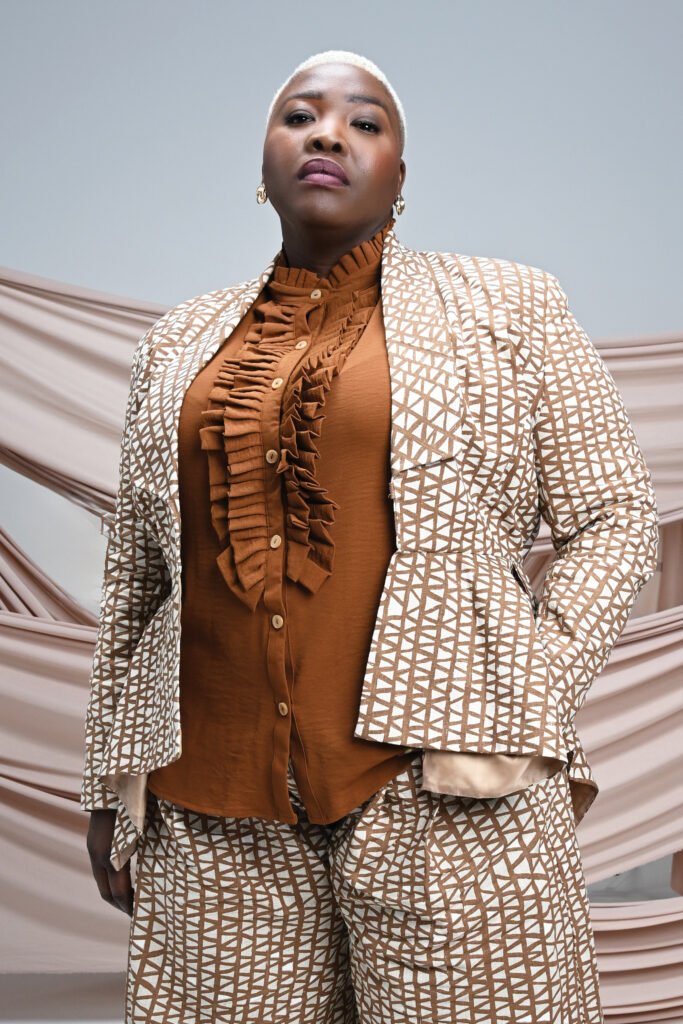
“I wouldn’t be here if there wasn’t power within me, and if there wasn’t power around me.”
Laughter fills the room during Celeste Ntuli’s interview at the photoshoot for this feature. With a bubbly personality and an infectious sense of humor, she adjusts her amber brown and cream blazer, ready to share her ‘why’.
Born in the town of Empangeni, in South Africa’s KwaZuluNatal province, she grew up in an artistic family where, as she jokes: “My father was a musician; he never made it, but he was still a musician. You don’t have to make it to be in that industry.”
Ntuli had always wanted to be an actor–inspired by other women in entertainment like American actor Whoopi Goldberg, and South African writer and producer Christa Biyela.
However, after befriending several drama students in her tertiary years, a friend organized her first comedy gig–in church.
“Comedy in church?”
“Yes!” Ntuli laughs. “It was more than a corporate gig because Jesus, sex, politics, and also swearing: no, anything; just make them laugh.
“I enjoyed it because it taught me how to look into the self. Until today, my comedy is based on storytelling, and stories based on my life.”
In 2025, Ntuli celebrated 20 years in the profession and was awarded Comedian of the Year, at the 12th Savanna Comics’ Choice Comedy Awards.
When asked if she defines herself as a power woman, Ntuli boldly says, “Yes, I have no choice in the matter.
“It took me a long time to understand it. I think it’s because the artistic work we do often becomes something much more spiritual than the glitz and glamor. I wouldn’t be here if there wasn’t power within me, and if there wasn’t power around me.”
Angeline Murimirwa
46 • Zimbabwe
CEO, Camfed
Industry • Social Impact
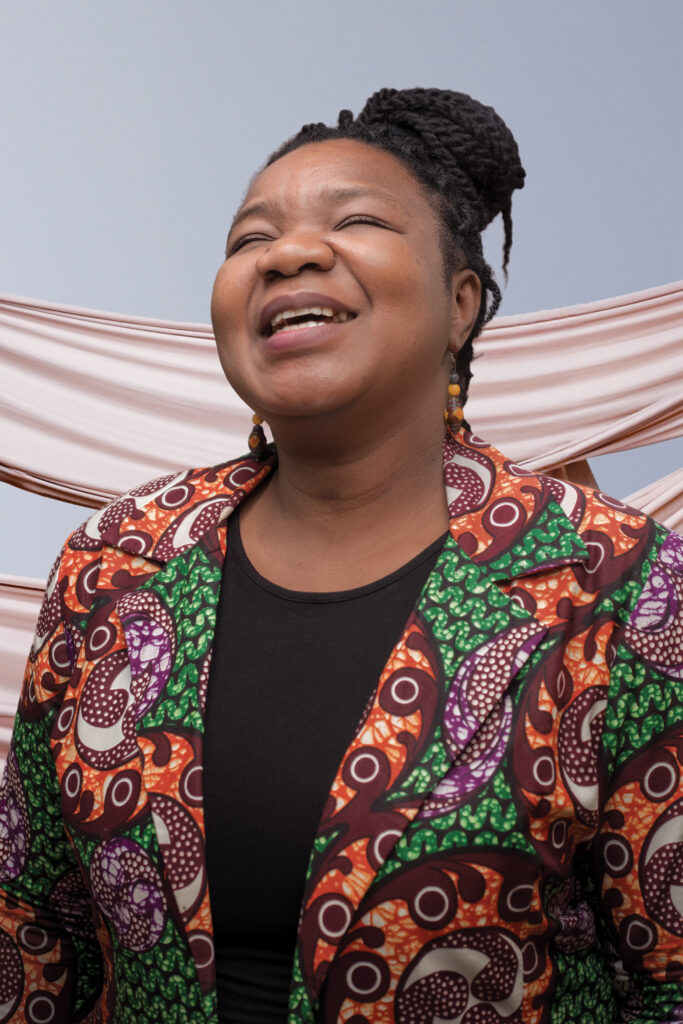
“…The real question is how we ensure that children are set up to succeed everywhere.”
“It’s not enough to have one more girl, or two more girls, or even ten—or a thousand. The real question is how we ensure that children are set up to succeed everywhere,” Angeline Murimirwa says to FORBES AFRICA.
In 2025, Time magazine released its annual list, recognizing the 100 most influential people in the world. Murimirwa–the CEO of the Campaign for Female Education (CAMFED)–was among them, for her work championing girls’ education on the African continent.
Her journey began as a student in the program. The opportunities that once opened doors for her are the same opportunities she wants to now create for other girls.
“The beauty of having grown through the organization–and alongside the issue that matters so deeply to me–is that the choice almost feels made for me,” Murimirwa explains.
“I bring the child I once was, into everything I do. I always ask: ‘how do we account for this child? How do we account for the vulnerable child–the one who feels helpless and hopeless?’ For me, the defining question in every decision is how it impacts the child, how it reaches the child. That’s what my pragmatism is rooted in–the child, always.”
CAMFED, an international non-governmental, non-profit organization that operates in Zimbabwe, Zambia, Ghana, Kenya, Tanzania, and Malawi, was founded with a mission to eradicate poverty in Africa through the education of girls and the empowerment of young women.
As much as Murimirwa cares about the academic success of the girls who come through her organization, there is something that stands out more.
“It’s about who they are–their sense of self and their sense of urgency. It’s not just about the impact for the girl, but for her family and her community. That ripple effect–the power of critical mass–is, to me, the most important and often untold part of the story.”
Miranda Naiman
42 • Tanzania
Founder, Empower
Industry • Human Capital
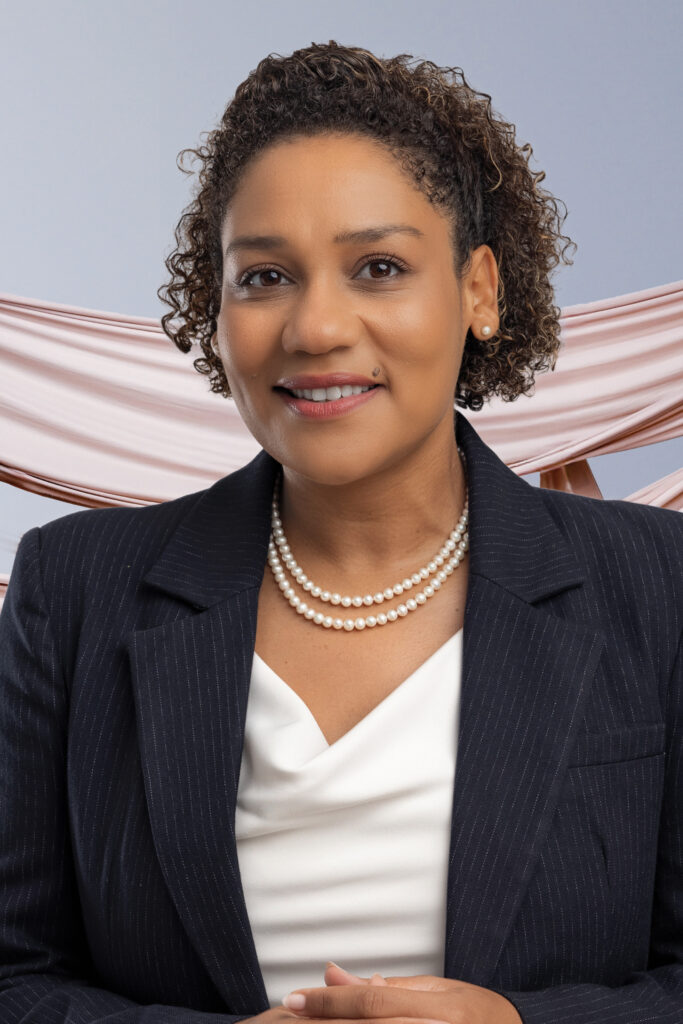
“What began with nothing but conviction has evolved into a movement that continues to shape meaningful change.”
In 2009, in Dar es Salaam, Miranda Naiman says that she sought not only courage but also clarity–she experienced a breakdown in her marriage, which left her as a single parent.
“Out of necessity, I became an accidental entrepreneur,” she says, adding that she was “driven by conviction rather than circumstance”.
“With a borrowed laptop, a handful of relationships, and a belief in people’s potential, I set out to build something meaningful from the ground up.”
Empower–a Tanzanian firm championing transformational consulting tailored to Africa’s potential–was the fruit of that growth journey.
“My purpose was simple: to empower people, enhance processes, and position brands for growth. What began with nothing but conviction has evolved into a movement that continues to shape meaningful change,” Naiman adds.
She is also a Board Director for East African Bank, CRDB Bank Plc, Chair for the African Women Entrepreneurship Cooperative (AWEC), a Member for the Global AI Council, and the Global Product Portfolio Leader for Entrepreneurs’ Organization (EO).
“I am often described as an unstoppable force for good, and my journey reflects the essence of this–vision, resilience, and transformation from within.”
Dineo Lioma
35, South Africa
Co-founder and CEO, Deep Medical Therapeutics
Industry: Health (MedTech)
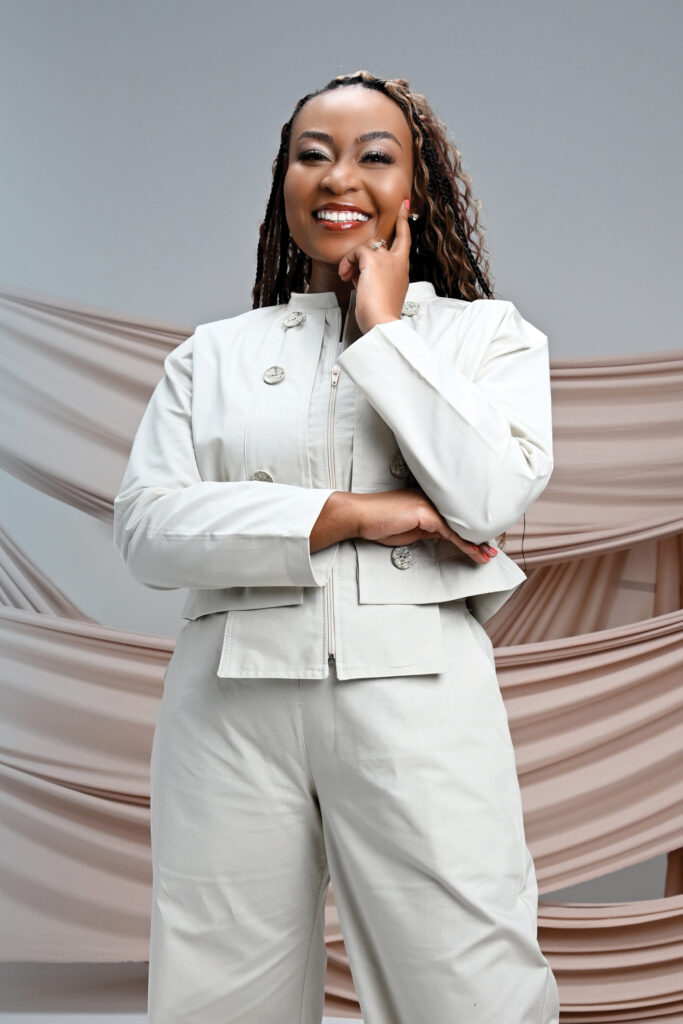
“The quality of business ideas coming from women today is truly inspirational.”
As a medtech innovator, Dineo Lioma was inspired to create businesses that would generate impact and contribute to employment in South Africa, but also meaningfully improve people’s lives on the continent.
“When I first started, AI was still a distant concept. Look where we are now,” Lioma says with a laugh.
“One of the things that really inspired me was looking at South Africa’s healthcare system and realizing that only about 14%—sometimes 16%—of South Africans have private health insurance, while the rest rely on government services,” she adds.
“That highlighted a real opportunity to use technology to innovate and provide people with the quality healthcare they deserve; that’s where my passion lies.”
Lioma founded three healthcare companies, each harnessing technology to improve lives across the continent. Deep Medical Therapeutics focuses on building affordable, accessible primary healthcare in South Africa through digital diagnostics and treatment services.
CapeBio Technologies developed a Covid-19 test kit in South Africa, expanding access to testing during the pandemic.
Her third venture, Incitech, is a medical diagnostics company that created a rapid HIV self-testing device powered by nanotechnology.
“One thing I really struggled with, especially in the beginning, was access to health data,” Lioma explains.
“To do the work we do with AI, we needed data–and it simply wasn’t available. We had to start from scratch, building our own health data repositories to properly understand what was actually happening.”
When asked what she hopes the future of medtech will look like, Lioma cannot help but beam with pride as she answers.
“One of the things that I’m really excited about is the quality of business ideas that are coming, especially from African women. ‘Ten years ago’ is not the same as it is today. The quality of business ideas coming from women today is truly inspirational. My hope, and the way I try to contribute, is by showing young Black women that it’s possible, and that they should never underestimate themselves.”
Yvette Tetteh
32 • Ghana
Co-Founder and CEO, Pure and Just Co.
Industry • Food and Beverages
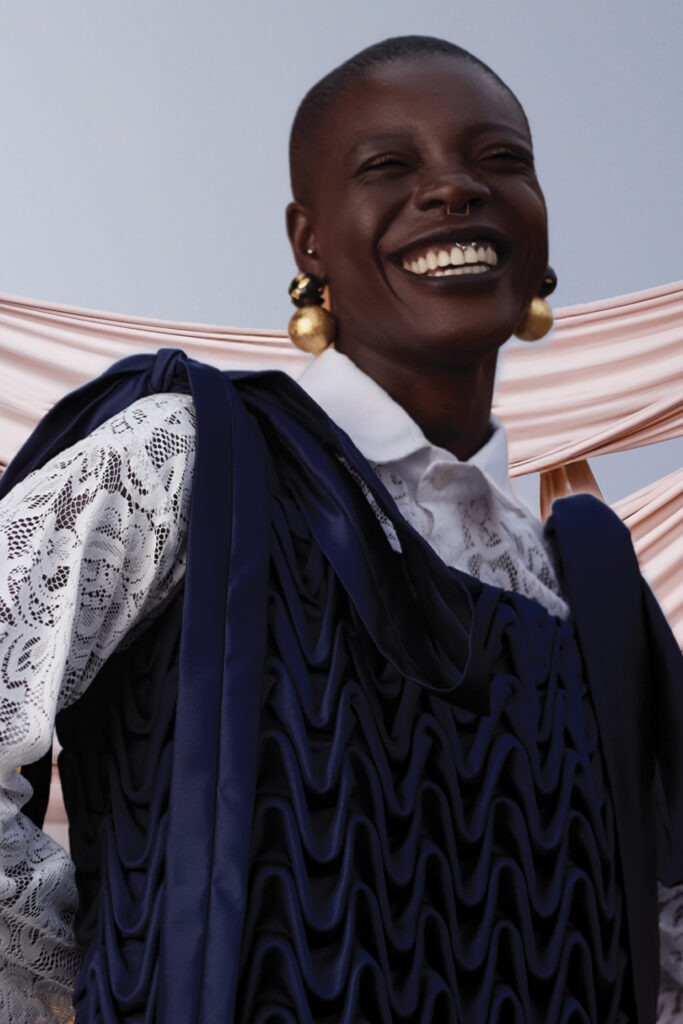
“You really need to own your power.”
As the co-founder and CEO of an agribusiness working with smallholder farmers to produce ethically-sourced dried fruit, Yvette Tetteh’s goal has always been to build climate-smart enterprises that unlock African potential, and to create sustainable economic opportunities that reinforce self-determination.
“You really need to own your power. I’m not the first person to say ‘fake it ‘til you make it’, but it matters. I think a lot about faith–not in a religious sense, but in believing in something even when there’s no concrete evidence yet; that belief is deeply tied to power. And for me, it’s also important not to let power or certain situations feel intimidating,” she says to FORBES AFRICA.
“Especially in Ghana, we could see that farmers had real opportunity—they were growing fruit—but there wasn’t much of a market beyond small, local trading. We realized agribusiness could help us achieve several things at once,” Tetteh explains.
“We could support farmers by increasing their income and connecting them to markets beyond Ghana. At the same time, we could work with young people, offering them meaningful work experience and the chance to earn an income they could use to further their education, travel, or pursue their own goals.”
Beyond her business, Tetteh was selected in the Top 12 for the GoGettaz Agripreneur Prize in 2022. She was also a finalist in the Cartier Women’s Initiative in 2023. As the winner of the inaugural Kofi Addo Writivism prize for non-fiction by African writers, her writing was published in the anthology, Sundown and Other Stories.
Her essay, In This Body, was published in Lolwe’s fourth edition (2021). Tettah also swam 450km of the Volta River in Ghana, raising awareness about textile pollution and documented the living culture along this important water body.
“I usually introduce myself as a power woman. I’d say I’m very capable and very determined—and, I guess, quite powerful, even though it feels awkward to say that out loud. It all comes back to being connected to yourself and knowing your capacity. I have a strong sense of what I’m capable of.”
Pelonomi Moiloa
33, South Africa
Co-Founder, Lelapa AI
Industry • Technology (Artificial Intelligence and Language)
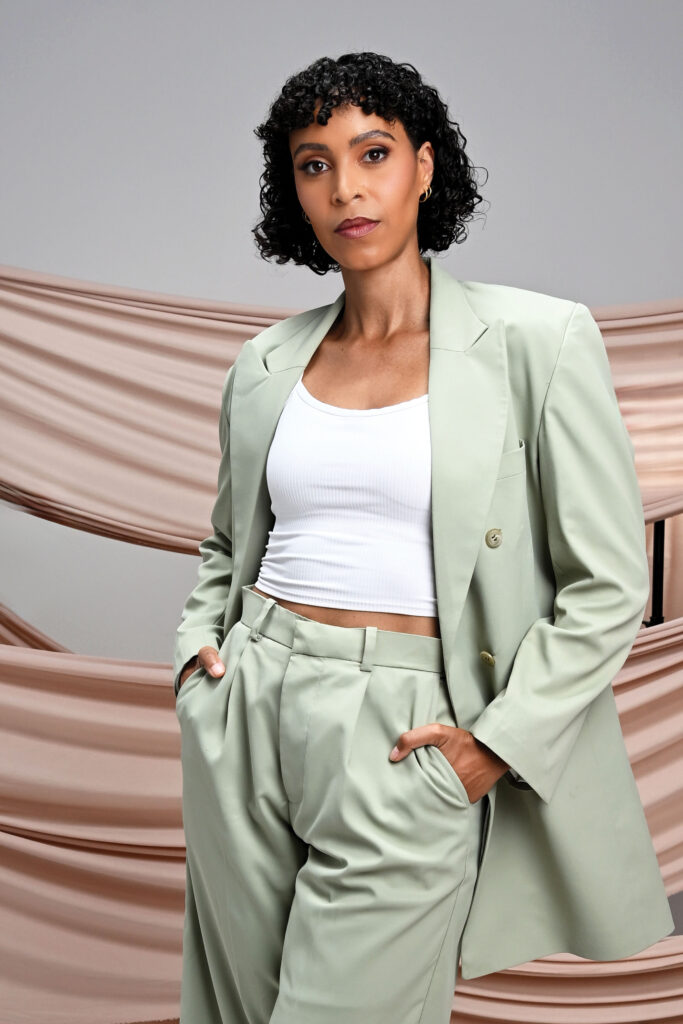
“At the beginning of my career, I was deeply invested in issues around gender dynamics and equality, racial dynamics and inequality—particularly within the AI space,” Pelonomi Moiloa says at the Over 30 Under 50 photoshoot.
She reflects on those moments, admitting that she was “on fire” about those issues.
“But when I became involved with Lelapa, I realized there was something bigger than myself at play. Being in the right environment—and working alongside so many others focused on the same mission—shifted those concerns, almost removing them from my subconscious,” adds the co-founder and CEO.
Moiloa, at 30, was on Time’s 100 Most Influential People in AI list in 2023 in relation to her work developing critical language technologies for African languages, expanding digital economies in the Global South, and addressing the gap in locally-relevant AI solutions.
It all started in 2017 at the Deep Learning Indaba in Johannesburg, where she met others who recognized that once advanced technology skills were acquired, it would then leave the continent as those individuals sought opportunities elsewhere.
“We recognized that as a very large brain drain problem, especially considering the first goal of us wanting to utilize the skills that we had learned is to solve problems here,” she says.
This is when she and her co-founder sought to start Lelapa AI.
For Moiloa, it is about building confidence in the current ecosystem but also remaining steadfast in knowing that the problem you are solving is for a specific purpose.
“As a result of our histories of globalization, there’s often an inherent lack of confidence in our skills, our knowledge and our ways of doing things—even though they are, in fact, cutting-edge. People start to believe that the most exciting opportunities exist elsewhere,” she says.
“At the same time, the realities of the continent can’t be ignored. We’ve had employees from the Tigray region in Ethiopia, colleagues affected by blackouts in Uganda, and team members in Kenya during periods of political instability—not everyone has access to the kind of stable environment that allows innovation to exist, grow, and thrive.”
Kudakwashe Maradzika
39 • Zimbabwe
Producer, Writer, Director, and Founder, Lincoln Green Media
Industry • Media and Entertainment
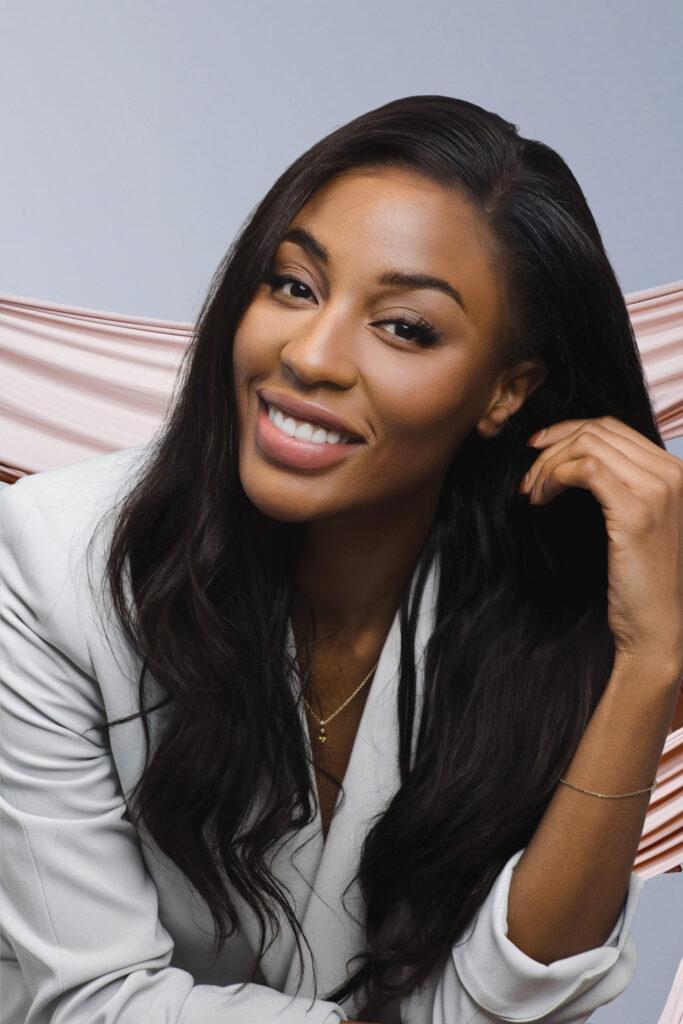
Shortly after the release of South African series, Bad Influencer, in October, it became a hit on Netflix, reaching the Global Top 3 and hitting Number 1 in South Africa. The mastermind behind the show? Kudakwashe Maradzika.
With a career spanning 15 years across screen, voice, stage, and digital media, Maradzika has reached global audiences through Netflix, Amazon Prime Video, Showmax, MTV, BET, and Comedy Central.
Her debut feature film, Njuzu, was shortlisted for the Sundance Screenwriters Lab and selected for Durban FilmMart Access 2023. Her second feature, Death and Its Friends, received early development support from the National Film and Video Foundation (NFVF).
“I blend speculative fiction with socio-political critique. My distinct Afro-modernist viewpoint challenges Western narrative structures and reclaims African agency through story genre,” she says.
Maradzika has won multiple awards, including the Africa Magic Viewer’s Choice Award, multiple SAFTA wins, and Promax Global Awards (Gold and Silver). She has also received multiple Loerie Nominations for creative campaigns as well as the Africa Movie Academy Award Nominee for Best Actress for the 2006 film, Tanyaradzwa.
Maureen Bandari
37 • Kenya
Founder, Bandari Beauty
Industry: Beauty
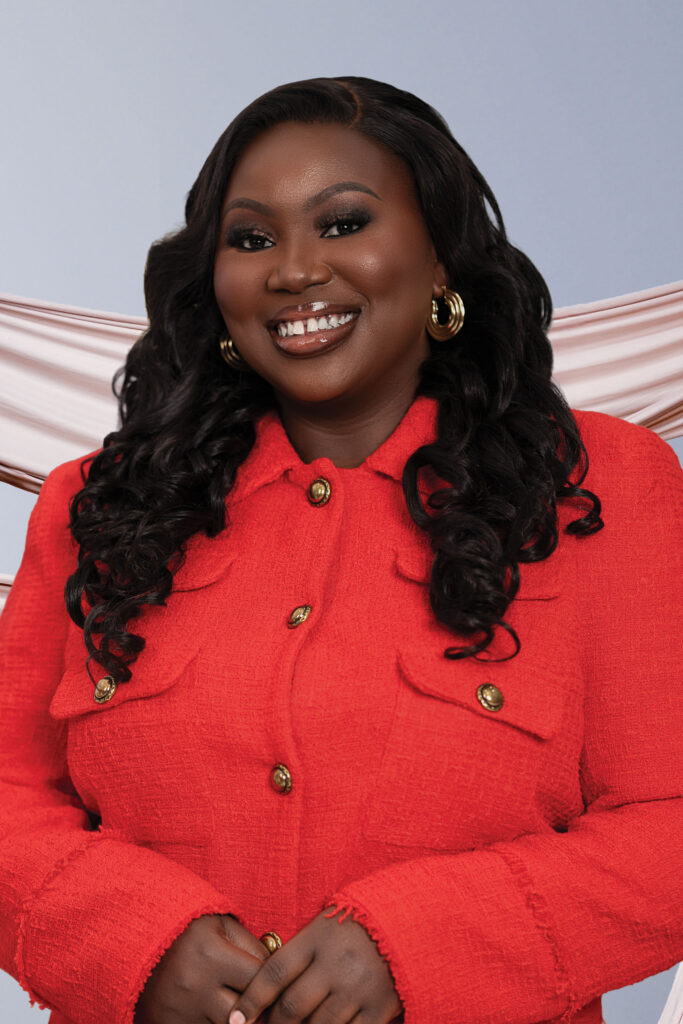
“It’s about service—lifting others, sharing knowledge, and breaking barriers so the next woman’s journey is lighter than mine.”
In 2014, Maureen Bandari found herself in a bustling city far from home, adjusting to her first job.
Around her, she says that unspoken but pervasive pressures shaped everyday life, such as skin bleaching being normalized, and beauty standards being painfully narrow.
For Bandari, a dark-skinned woman navigating that environment, something as basic as finding skincare or makeup suited to her complexion felt like an uphill battle.
In 2018, she used $2,500 in savings to launch Bandari Beauty, running the business entirely online through WhatsApp and Instagram.
“I wasn’t simply selling products, I was listening. I conducted video consultations, analyzed skin concerns, and recommended personalized routines. The experience was intimate and trust-driven, offering something no traditional beauty counter could,” she says.
“Power isn’t about holding space for myself alone,” Bandari adds.
“It’s about service—lifting others, sharing knowledge, and breaking barriers so the next woman’s journey is lighter than mine.”
Mandisa Radebe (DBN Gogo)
32, South Africa
DJ and Music Producer
Industry: Media and Entertainment
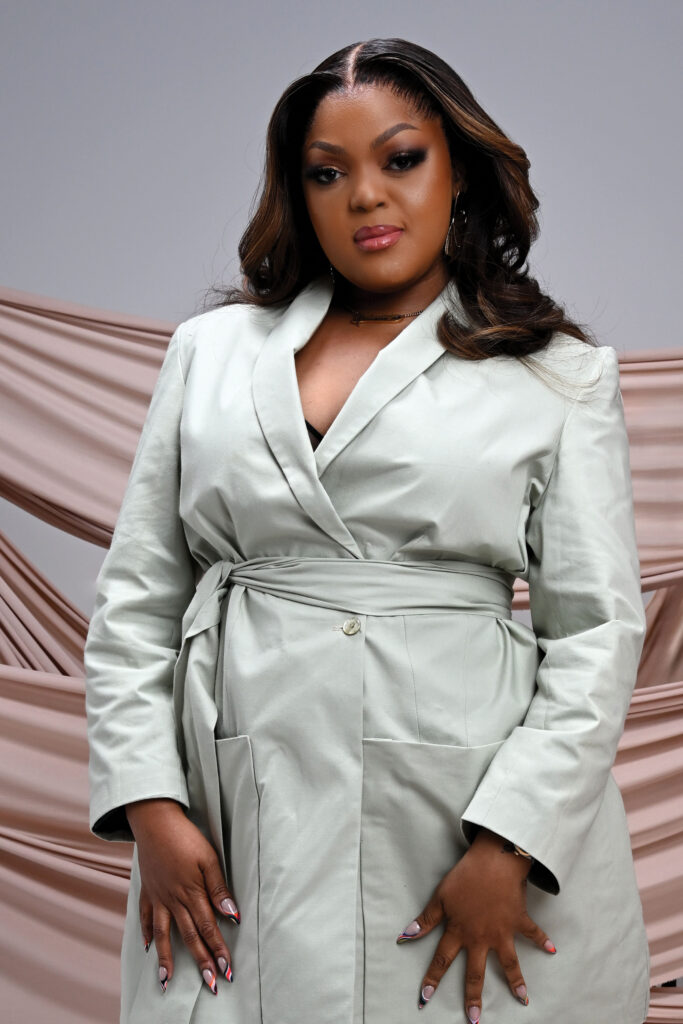
“…when you try to control the narrative, it often runs away from you, so I keep it focused on the work, the music, and the things that matter.”
Popularly known as the Godmother of Amapiano, Mandisa Radebe sits down with FORBES AFRICA and reflects on how she got started. In particular, she harks back to a moment during her first gig in 2017 in Pretoria (known as Tswanefontien), where she got paid just R200 ($12).
“I mean, I played at 12PM, so there were like two people there,” she recalls, smiling.
Fast forward to the present day: sold-out performances, where people chant the words to her breakthrough hit, Khuza Gogo.
“I don’t think it’s something that I ever fully grasp. Every time I get to a place, and people are screaming my name, I’m always like, ‘Really, you guys came to see me?’ ”
Known for her diverse sound, and blending Amapiano with influences from Kwaito, Afropop, and EDM, Radebe made history in 2021 as the first South African artist to join Spotify’s global EQUAL Music Program, a platform supporting female creators. She featured on the New York Times Square billboard and led the EQUAL Africa playlist.
She also launched Zikode Records, an independent label she launched in collaboration with UMG Africa, in 2022.
Though the music industry can be very unforgiving, especially towards women, for Radebe, her way of navigating the space is, in part, about “recognizing that you’re still human”.
“Not everyone is entitled to every part of you, and if you don’t give them access to that space, it can’t affect you in the same way. Of course, we’re human–things will upset us, things will surface–but I try to keep that separate from my work.
“I’ve also learned that when you try to control the narrative, it often runs away from you, so I keep it focused on the work, the music, and the things that matter. People will talk about other things regardless.”
Vivian Onano
34 • Kenya
Founder and Director, Leading Light Initiative
Industry: • Social Impact
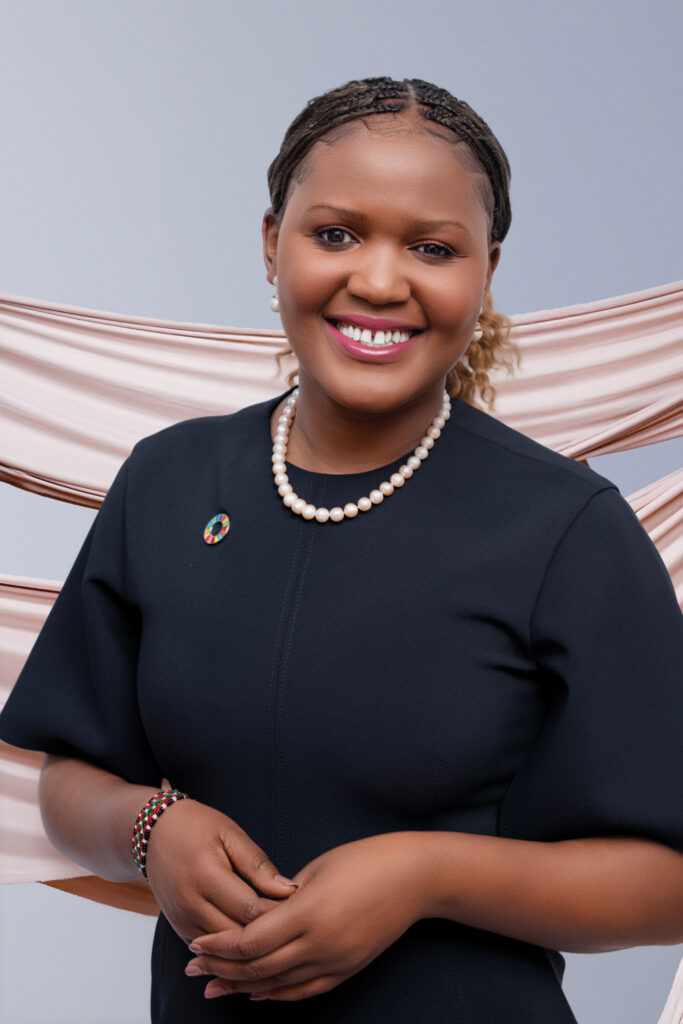
“…profitability doesn’t have to be money; profitability can also be the goodwill.”
There are two pivotal moments for Vivian Onano, that live rent-free in her mind when she reflects on her journey.
The first is when Amina J. Mohammed, Deputy Secretary-General of the United Nations (UN), said at the fourth Global Conference on Financing for Development, in Seville, Spain, in 2025: “…there is no better young person, today, leading than Vivian Onano”.
James Mwangi, CEO of the Equity Group Holdings Limited, echoed her sentiments at the same conference, adding, “You can imagine the pride I felt walking into the room and seeing Vivian facilitating. We met when she was going through our Equity program, we supported her journey all the way to an international education program.
“I can only admire her for facilitating such a powerful morning session. But this is what it truly means to give women an opportunity. We simply opened the door—and she unlocked her potential. That is what investment in Africa and financing should be about—enabling women.”
Onano admits that those moments bring her to tears.
The second defining moment is when she delivered a keynote at the UN General Assembly in New York at just 23 years old.
“You know when you walk onto a stage with all the nerves and adrenaline? I looked out at the room, and everyone was quiet. I introduced myself–“My name is Vivian Onano. I am Kenyan”–and I just kept going,” she says.
“Afterwards, it really hit me. This girl from a village in Kenya was standing on that platform, with all the lights on her. It was overwhelming, and the tears just came.”
Even with her business, an organization aimed at alleviating poverty by providing opportunities tailored to youth, women, and disabled individuals, Onano continues to serve as a strategic advisor to government leaders, philanthropists, and the private sector.
She has never measured her success by profit, but rather by how many people she has helped, particularly young people from across Africa who have been able to graduate.
“I do work in the line that I’m very passionate about because I want to see a difference,” she explains to FORBES AFRICA.
“Yes, at the end of the day, I must take care of myself, I must take care of my family, but it’s because of the consistency and building trust with people–profitability doesn’t have to be money; profitability can also be the goodwill.”
Dr Lungile Mhlongo
37 • South Africa
Founder and CEO, Numa Skin
Industry • Beauty
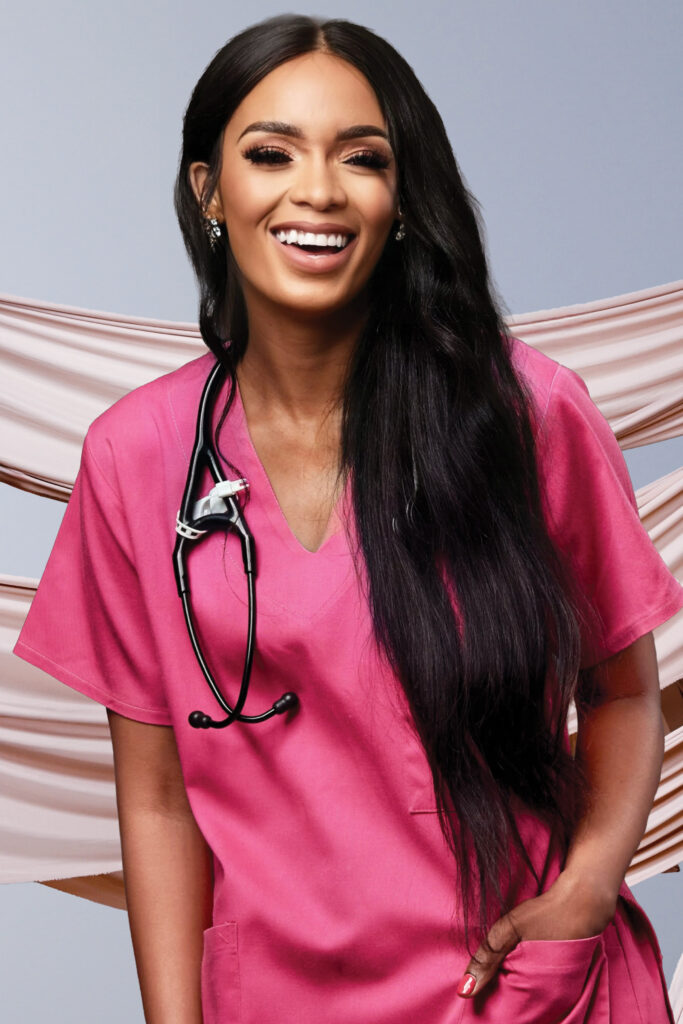
“Power is the strength to transform pain into purpose, to expand possibilities, and to use influence not for self-promotion but for the upliftment of others.”
“At the age of 17, I lost my father to illness, a devastating moment that illuminated the painful truth about healthcare inequality,” says Dr Lungile Mhlongo.
These moments of watching her father suffer ignited a lifelong mission for Mhlongo: to become a doctor “who not only heals but also bridges the systemic gaps that deny families the care they deserve”.
In 2017, with less than R60,000 ($3,700) from her pension fund, Mhlongo leased a 100m² practice in KwaDukuza, located on the North Coast of KwaZulu-Natal.
“It was a bold but uncertain step, no investors, no safety nets, just a dream and an unshakable conviction that Africa was ready for a homegrown wellness and medical aesthetics brand rooted in compassion and science,” she says.
From those beginnings, her company, Numa Skin, grew into a multi-branch, multi-sector group that has won her multiple awards, including the African Icons Award for Humanitarian Services in Healthcare and the Fifty Under 50 Award (Dubai) by the Female Founders Initiative (Middle East and Africa).
“To me, power is not about control, but about responsibility. It is about legacy, courage, and service,” Mhlongo says.
“Power is the strength to transform pain into purpose, to expand possibilities, and to use influence not for self-promotion but for the upliftment of others. It means building institutions that endure beyond your lifetime, creating platforms for others to rise, paving the way for future generations.”
Yetty Williams
47 • Nigeria
Founder and CEO, LagosMums
Industry • Social Impact
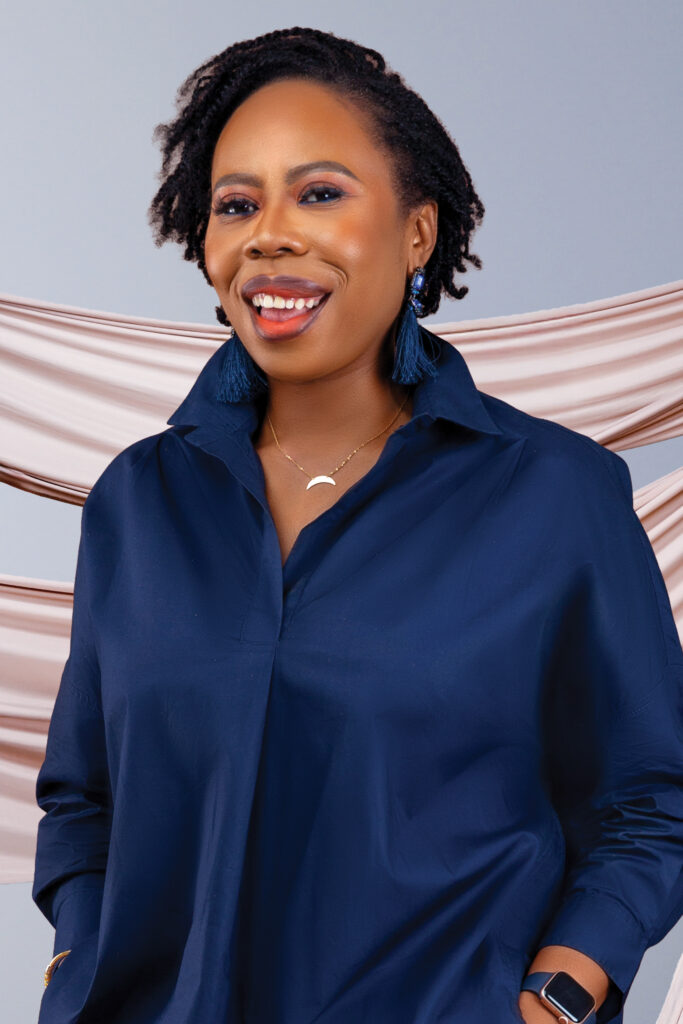
“A power woman creates opportunities where she sees gaps, embraces change, and keeps learning.”
It is said that it takes a village to raise a child; for Yetty Williams, her offer of help is the digital kind.
In 2011, she was a stay-at-home mom in the bustling city of Lagos, where she was raising a toddler and a newborn. Having searched for parenting advice, she found that all the resources were too “Western-focused”.
“I invested a couple of hundred dollars from my personal savings to hire a web developer and build a simple blog for mothers like me,” Williams says.
“What began as a passion project quickly became a mission to create an e‑village where parents could share experiences and raise digitally-savvy, resilient children.”
As her business grew, she sought formal training in life coaching, neuro‑linguistic programming, cognitive behavioral therapy, and cyberpsychology.
LagosMums now reportedly reaches over 1.5 million people monthly and has a social media community of more than 150,000. By using AI‑driven strategies and data analytics, the platform has doubled advertising revenue and developed online courses and parenting programs for participants worldwide.
“Motherhood unlocked a deep curiosity and drive to solve problems; today, that curiosity fuels my mission to help families and entrepreneurs navigate technology with confidence.
“To me, being a power woman is about using your voice to uplift others. A power woman creates opportunities where she sees gaps, embraces change, and keeps learning,” she adds.
Aishah Sulaiman
38, Nigeria
Founder and CEO, Royal Pearls Resources Limited
Industry • Agro-Allied and Food Processing
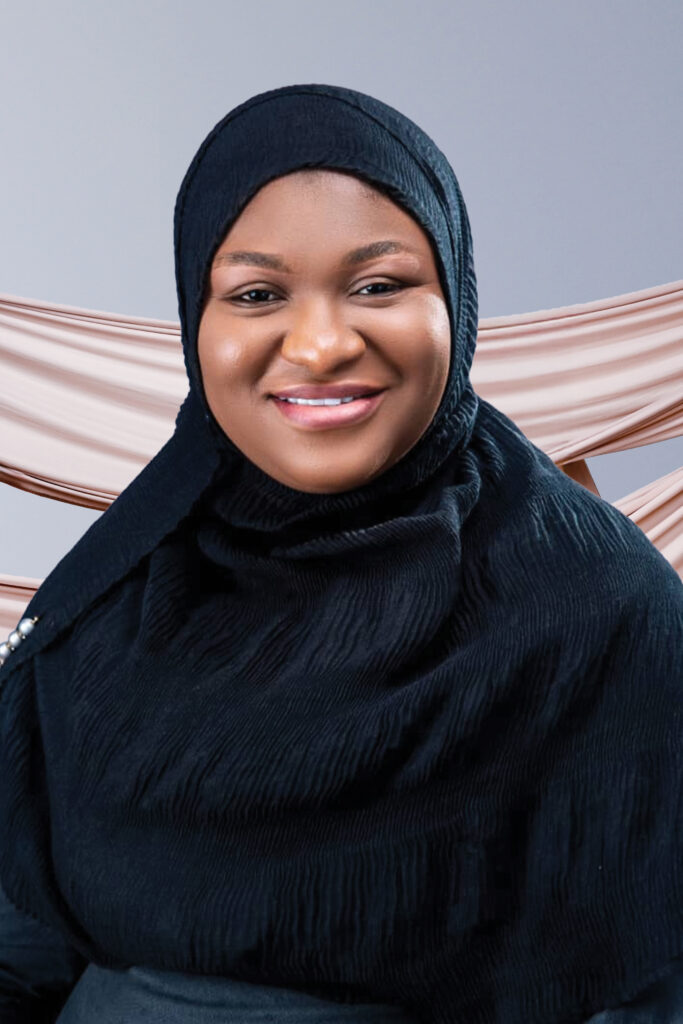
“A power woman is resilient in adversity, bold in innovation, and intentional about impact.”
“My entrepreneurial journey began in 2019 with nothing more than passion, ₦30,000 ($21) in personal savings, and a strong conviction that agriculture could be a pathway for women’s economic empowerment in Nigeria,” says Aishah Sulaiman to FORBES AFRICA.
In 2020, she formally registered Royal Pearls Resources Ltd, an agro-processing and food innovation enterprise based in Port Harcourt, Rivers State. She began by processing small batches of gluten-free flours, including plantain, cassava, yam, and beans, using basic equipment in a shared workspace.
With a small team, the company produced healthy, gluten-free flour and packaged food products for health-conscious consumers, exporters and diaspora markets. Today, the company sources raw materials from over 500 women and smallholder farmers across rural communities and integrates clean energy into its operations.
“I chose this field because I understood the urgency of food security in Africa,” Sulaiman says.
“I have also witnessed the struggles of women farmers who produce so much but earn so little due to lack of processing, market access, and value addition. I knew that if I built a business rooted in innovation and sustainability, it could break generational cycles of poverty and elevate rural communities.”
In 2025, Sulaiman also founded CleanCook Sisters Initiative, to champion sustainable agribusiness, clean energy, and women’s empowerment.
“To me, a power woman is a builder, someone who creates, empowers, and leads with courage. She uses her voice, skills, and vision to uplift others,” she says.
“A power woman is resilient in adversity, bold in innovation, and intentional about impact. She does not rise alone; she brings other women with her and is unafraid to lead solutions that create lasting change and meaningful impact.”
Zolani Mahola
44, South Africa
Singer and Actor
Industry: Media and Entertainment
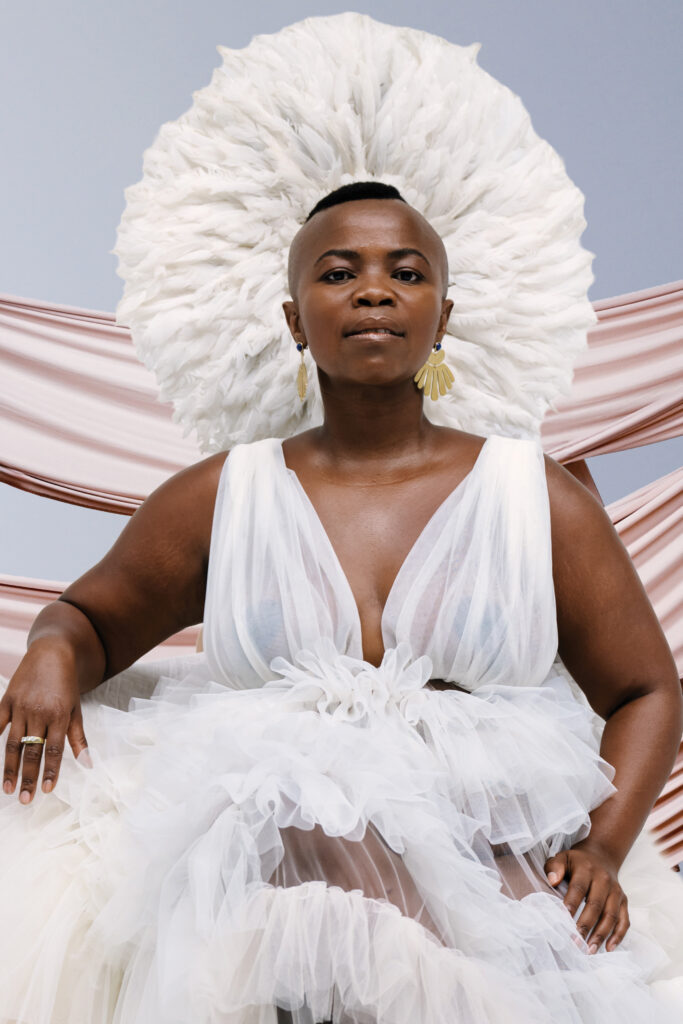
“I felt an urge to really explore my voice—what it means to me, and what it stands for.”
It can be said that no one has been more honest about her journey and her experience in the entertainment industry than Zolani Mahola.
“I felt an urge to really explore my voice—what it means to me, and what it stands for,” she explains.
Widely-known for being the lead vocalist of the Afro-fusion pop band, Freshlyground–the band who brought the 2010 World Cup to life with Waka Waka alongside Shakira–she left the group in 2019 to pursue her solo career.
“ was toward the end of my time with Freshlyground and at the beginning of a new phase of my life. I gave myself a completely blank canvas to explore whatever genres and songs wanted to emerge. That exploration took many forms: writing different kinds of songs, collaborating with a wide range of people, and largely working within femme spaces—mostly with women and femmes,” Mahola says.
“But it wasn’t only musical. It was also deeply about purpose—understanding what I wanted to align myself with and what truly makes me tick.”
Her first solo album Remember Who You Are (2020) had singles like Ndibambe, Lullaby for Zen, and All Because Of You, which, for her, was about the new chapter of her music career–not reinvention per se but rather “starting over”. Her second album, People’s Power, is set to be released later this year.
“One of the central themes is the idea of reclaiming our collective power in the face of so much uncertainty,” she says.
“This next album will be much more commercial and outward-facing. I do want the metrics—more visibility, more eyes on me and on the work—but it’s all with purpose. It’s part of a broader strategy.”
Committed to empowering children and young people, she serves as an ambassador for the Seachange Project, Zip Zap Circus School, Morris Isaacson Centre for Music and the Earthchild Project.
“I care deeply about using visibility, that fame and those numbers to support the work I want to do, especially in the childhood space,” Mohola concludes.
Yvonne Anuli Orji
42, Nigeria
Actor and Comedian
Industry • Media and Entertainment
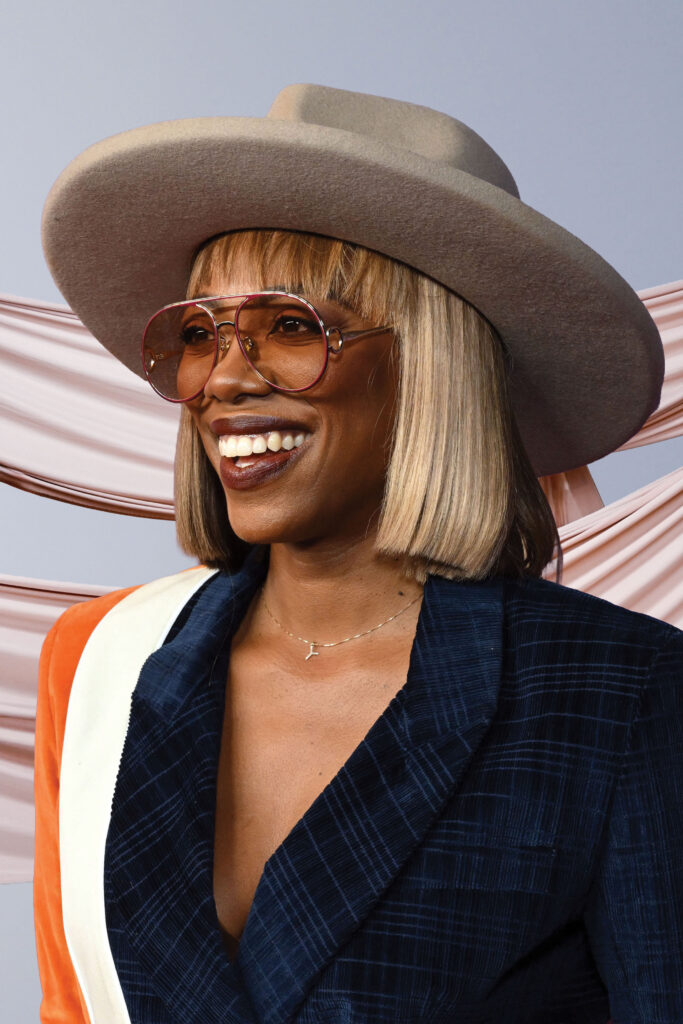
If there’s one thing that is unmistakable about Yvonne Anuli Orji, it is her pride and love for her country–from her Instagram bio, which boldly says, ‘Ignited in Nigeria’ to interviews in which she speaks about her heritage.
Best known for playing Molly Carter on the HBO series, Insecure, Orji earned an Emmy nomination for her performance on the show.
“I was bullied because I have this thick Nigerian accent,” she told Time.
“My mom would say, ‘We didn’t come to America for you to be popular,’ which is fair, but as a kid, you’re just like, it would be really nice to have this thing that everyone else has.”
Today, she is loved by her fans and seems to be open about all the facets of her life.
“I’m open because why not?” she told PEOPLE in 2017. “I get it. Once things are put out there, everyone can run with it and think of it what they want. But I’m grounded in who I am. Before any of happened, I sat down with myself and with God and thought about when I make it–how do you want me to represent you while I’m here? Like, okay, I know why I’m here. It’s to make you proud.”
Before pursuing comedy and acting, which reportedly ‘disappointed and confused her family’, Orji got her master’s degree in Public Health from George Washington University.
Staying true to her roots, in 2021, she began development on a series for Disney+ titled First Gen. The series is based on her personal life and is produced by Oprah Winfrey and David Oyelowo.
Bethlehem Tilahun Alemu
46 • Ethiopia
Founder, soleRebels and Tefftastic / CEO, Oasis Motors
Industry • Fashion, Sustainability & Manufacturing
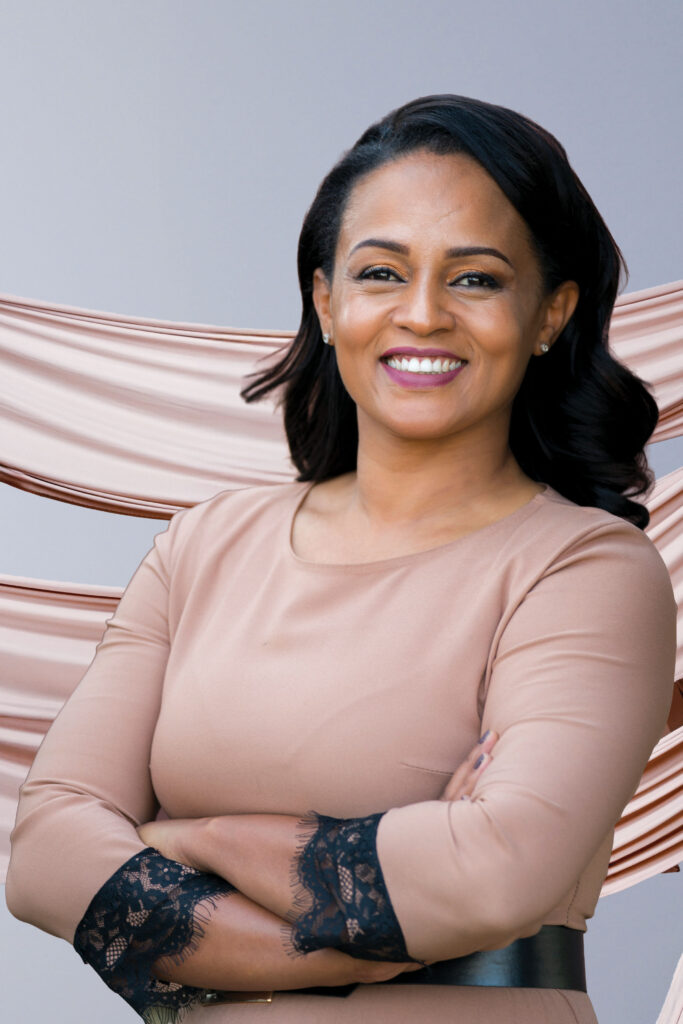
“…my voice is in what I do: the companies I build and the products I create.”
“It’s a privilege, actually, to be an Ethiopian and to be an African, specifically in this period of time,” Bethlehem Tilahun Alemu says to FORBES AFRICA.
She is known for having the world’s fastest-growing African footwear brand, with soleRebels also seen as the first World Fair Trade Organization (WFTO) Fair Trade-certified footwear company.
Tilahun Alemu says that building a globally-recognized brand rooted in African craftsmanship and sustainability has always been about being intentional and preserving purpose while expanding reach.
“As our country continues to grow and expand, it creates new opportunities for us to scale our businesses. As policies evolve and new ways of living become the norm in our cities, fresh possibilities continue to emerge,” she says.
For Tilahun Alemu, it’s also about evolving, which is why she proudly adds, “You know I’m a very green person. I love creating products from scratch, using what the earth gives us, and transforming it into something useful and sustainable. That passion is what led me to start an electric vehicle company here in Ethiopia.”
After two decades in business, a personal victory for Tilahun Alemu is simply that she is still standing, and that her products now speak for themselves.
“I don’t need to use my voice in the traditional sense; my voice is in what I do: the companies I build and the products I create. I tell a story through what I make in Ethiopia, in my factories.
“When you buy a pair of shoes, or one day even a car, it’s not just another product. It carries a story—a beginning, a purpose, and an end. And if you choose to be part of that, you hear my voice through what I’ve created.”
Sonia Mugabo
35, Rwanda
Fashion Designer
Industry • Fashion
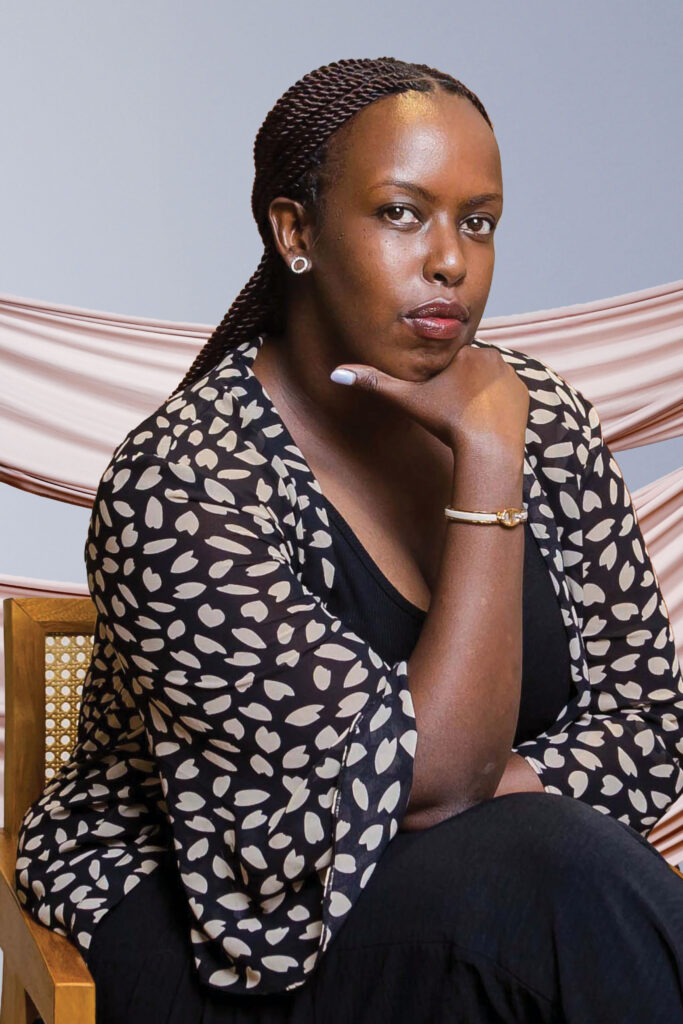
“…it’s about so much more than clothes, it’s about changing lives.”
“I see Sonia Mugabo, not just as a woman’s brand, but a lifestyle brand,” the fashion designer tells FORBES AFRICA.
With a workforce consisting of 80% women, Sonia Mugabo understands and embraces diversity, while aiming to promote women of every body shape. The brand is focused on designs by women for women–and it’s an idea that began 12 years ago, when she was fresh out of college in the United States.
“Once you graduate, you’re trying to make your mark. When I moved back to Rwanda, I noticed a gap in the shopping experience. I started small, making women’s clothing for myself, my family, and my friends,” she says.
While Mugabo’s focus is the growth and development of her business, she says a highlight for her is the impact she is able to have on others.
She offers an example of what one of her tailors told her.
“She said that working with me had given her financial freedom and allowed her to put her child through college,” Mugabo says.
“Moments like that mean everything to me, because it’s about so much more than clothes, it’s about changing lives. Seeing my tailors and my team become financially independent is, for me, one of the most meaningful measures of success.”
Lesley-Ann Brandt
44 • South Africa
Actor
Industry • Media and Entertainment
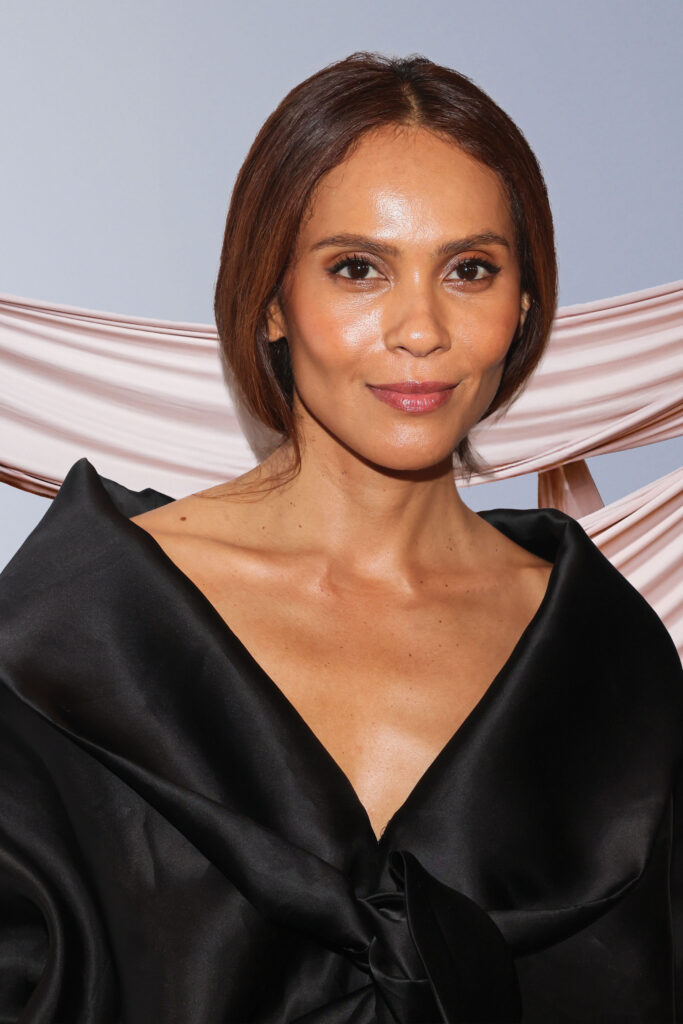
Born in South Africa’s Mother City, Cape Town, Lesley-Ann Brandt is best known for her role as Mazikeen on the Emmy-nominated television series, Lucifer, which ended in 2021. The show was celebrated, primarily due to the unique blend of supernatural fantasy with a crime-procedural format, and a deep focus on character-driven themes like redemption and free will.
More recently, Brandt has been cast as a series regular on AppleTV called Presumed Innocent for its upcoming second season.
She is also a board member of the Kay Mason Foundation, an organization that supports children from disadvantaged communities by providing education, mentoring, and holistic support. Brandt helps raise awareness and funds for its programs.
Though she stays in Los Angeles in the U.S., Brandt continues to be a proud South African.
“I did not become as patriotic as I am until I left South Africa,” she said to The Citizen in 2025.
“There is a blood love I have for this country. It never leaves you. I tell my friends in Cape Town that they do not know what they have when they drive past Table Mountain every day. South Africa is unique and I am proud to be a brand ambassador for it wherever I go.”
Ayo Edebiri
30 • Nigeria
Actor, Comedian, Television Writer, and Producer
Industry • Media and Entertainment
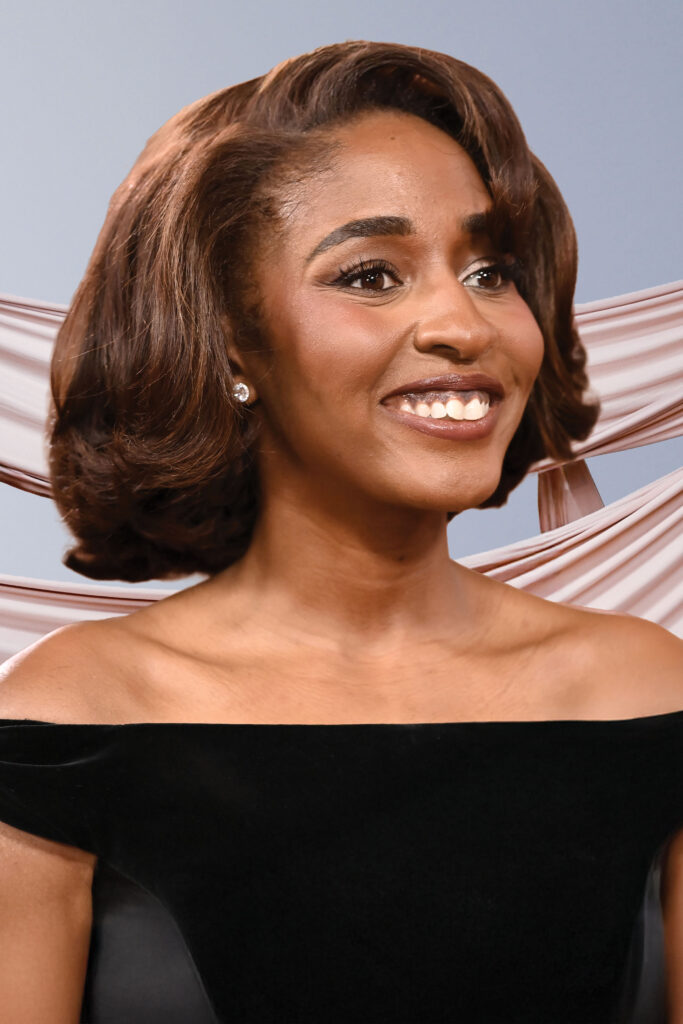
In 2023, at 28, Ayo Edebiri won her first Emmy for Outstanding Supporting Actress in a Comedy Series for her performance in the kitchen comedy-drama, The Bear.
She also made history in July when she became the first woman ever to be nominated for both acting, and directing a comedy series in the same year.
Edebiri, whose father is Nigerian, also earned her nomination for Outstanding Lead Actress in a Comedy Series. Her directing nomination came from her work in the episode Napkin, in the series.
“It’s nice not to have a boss you have to report to. Or, like, a weird photocopying machine,” she said in her Forbes 30 Under 30 interview in 2022.
She worked in writers’ rooms for FX’s What We Do in the Shadows, Netflix’s animated series Big Mouth, and Apple TV+’s Dickinson, where she also appeared in a featured role. After Jenny Slate exited Big Mouth so that the character Missy could be voiced by a Black actor, Edebiri took over the role.
Thyra Kigho Deshaun Oji (Ms Banks)
31 • Nigeria-Uganda
Rapper
Industry • Media and Entertainment
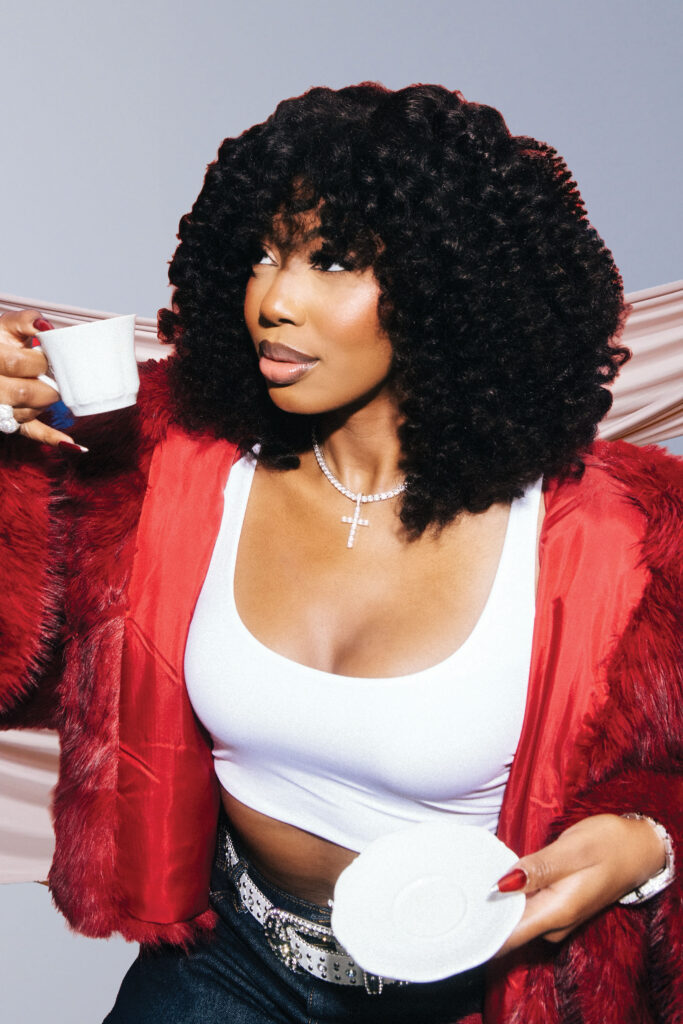
“…our stories are often overlooked, partly because our experiences are different.”
Thyra Kigho Deshaun Oji can be recognized by her unapologetic, sharp, and self-assured lyricism. She has spent a decade in the hip-hop and rap scene, becoming a dominant force.
“I’ve become more authentic,” Oji tells FORBES AFRICA. “I’m way more honest and more vulnerable… For me, it’s really about staying true to myself.
“I’m big on speaking life over myself. I focus on keeping my self-esteem high, whether that’s setting boundaries or speaking up when I feel I’m being treated unfairly. I do whatever I can to stay grounded in confidence and make sure my voice is heard, especially knowing that we’re still a minority in the rap space.”
Born to Nigerian and Ugandan parents and raised in South London, Oji is set to release her debut album SOUTH LDN LOVER GIRL as a celebration of her stepping into a new era with fresh confidence and a clear vision.
Wanting to “return to her roots”, Oji says that she also aims to highlight her experience of being an African artist in a country that is White but also break down the stereotypes of being a woman from South London, which can often be misconstrued.
“I wanted to speak about my experience as a second-generation Black African girl growing up in South London. I think our stories are often overlooked, partly because our experiences are different—we’re growing up in the West, sometimes in spaces that are predominantly White,” she says.
“As part of the African diaspora, we’re always trying to stay connected to home. But I’ve found that when we speak to people back home, they don’t always understand what that experience is like. In countries such as Uganda or Nigeria, where most people are Black, there are different struggles—some even more intense than ours—but the context is not the same.”
Oji has toured with some of the biggest names in rap, including Megan The Stallion, Nicki Minaj, and Cardi B as well as Wizkid and Giggs. She has earned accolades like a spot on the Forbes 30 Under 30 list and winning the PRS Foundation New Artist Award at Music Week’s Women in Music ceremony.
Ama Serwah Genfi (Amaarae)
31 • Ghana
Singer and Songwriter
Industry • Media and Entertainment
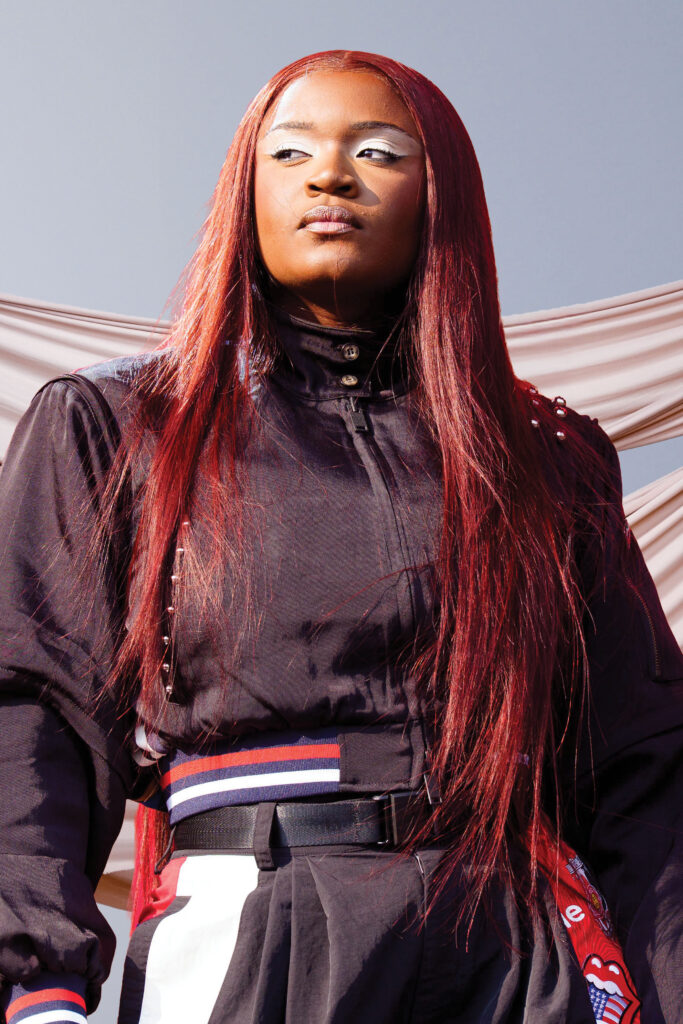
Ama Serwah Genfi is known for her genre-blending music, mixing pop, R&B, Afrobeats, alté, and experimental sounds, and is also recognized for the fluid expression of gender and sexuality in her work and public persona.
In 2025, she released her third album, Black Star, which references her Ghanaian heritage, her sense of self, and the Black cultural origins of the dance music that influenced the record.
“I wanted to hold flag up,” she told British Vogue during the time. “And not only do I want to hold the flag up, but I also don’t want to be othered from it. I want to be it. You know what I mean? I want to be the symbol. I don’t even know what box to place myself in… or that I can be placed in a box. I don’t think I have a genre. I think I’m just Amaarae.”
In a conversation with Grammy.com, she said: “A lot of young people see themselves in me artistically, and in general terms of expression.”
“So, when I think about identity, Ghana comes first, but it manifests in many different ways. Then there’s also the music itself, which borrows from so many different places I’ve been but is still rooted in my home.”
Judith Owigar
41 • Kenya
Entrepreneur and Activist
Industry • Social Impact and Business
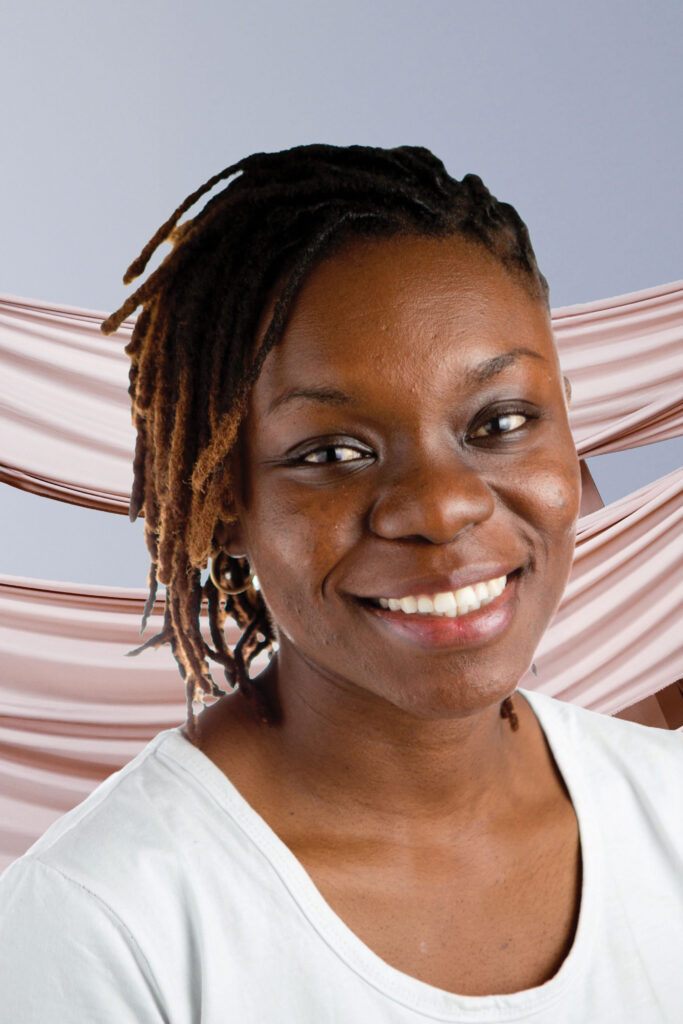
Judith Owigar had dedicated her career to two things: technology and gender diversity.
She is the co-founder of AkiraChix, a company centered on giving young women across Africa access to training, mentorship and real opportunities to create tech solutions that change their lives.
“How do we increase the pipeline of women entering the field of technology? So, one of the things we realized is, number one, we need to have more women thinking and deciding to do technology careers,” Owigar said to Tech in Africa.
She has also created the Juakali Workforce to empower Kenya’s construction workers, using digital tools to connect skilled artisans with jobs and better income, bringing innovation to a sector that is often overlooked. Owigar also works with UN-Habitat as a consultant on major issues.
Mary Vilakazi
40+ • South Africa
CEO, FirstRand
Industry • Finance and Investment
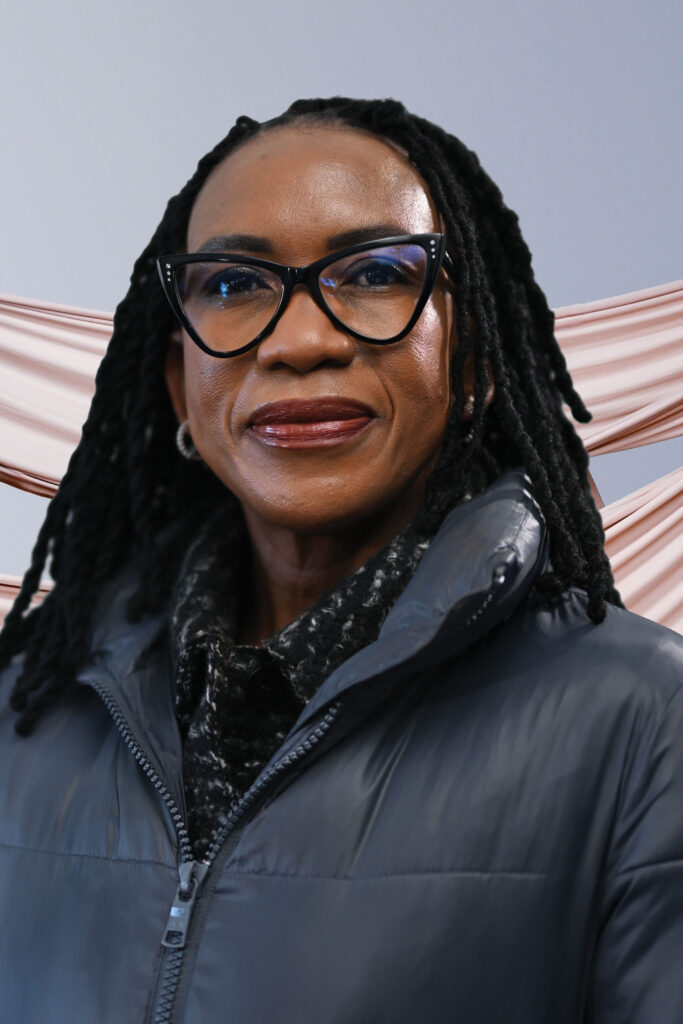
“I think my success is proof that you cannot underestimate the power of being given opportunities”, Mary Vilakazi told IOL in 2024.
That year, she made history when she became the first female CEO of one of Africa’s largest listed financial services institutions, FirstRand Group. As of June 2025, it held R2.5 trillion (approximately $150 billion) in total assets.
Born and raised in one of Gauteng’s biggest informal economies, Alexandra, her career began in Pricewaterhousecoopers (PwC), where she became one of the firm’s youngest partners across its global offices.
Before becoming CEO, she joined FNB in 2018 as the COO.
“I am delighted to be entrusted to lead one of the largest and most profitable financial institutions in Africa,” Vilakazi said after taking on the CEO mantle.
She was named a World Economic Forum Young Global Leader in 2016; she also previously served on the board of African Women Chartered Accountants.
Akhona Makalima
37 • South Africa
FIFA and CAF Professional Referee
Industry • Sport (Soccer)
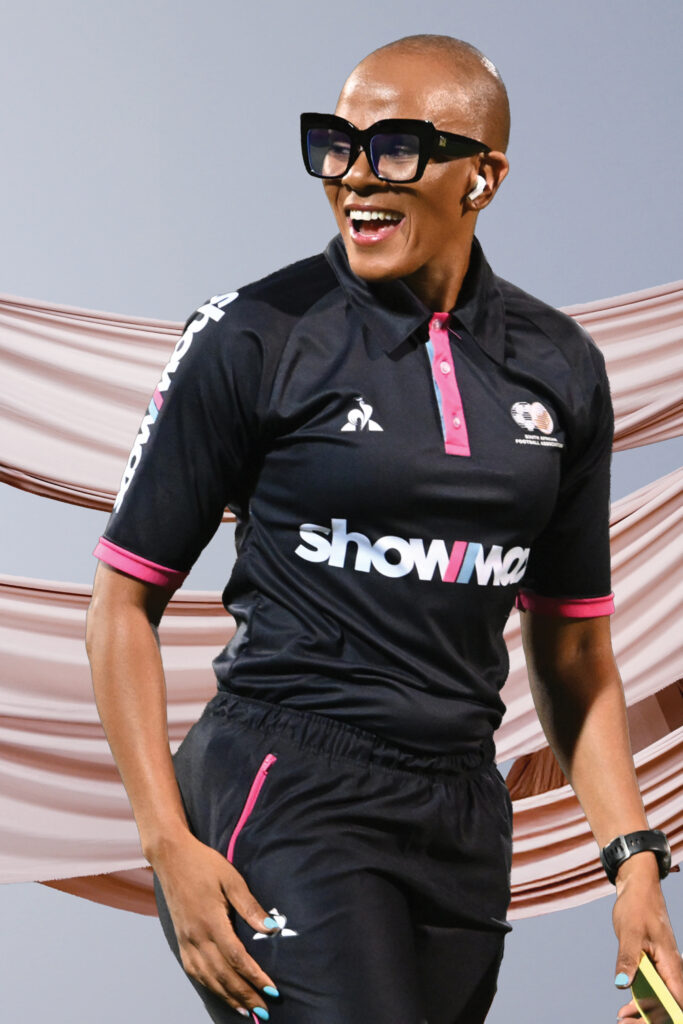
Many professional sports are dominated by men, both on and off the field, but Akhona Makalima shines a light on how women can create a significant impact in the industry.
In 2013, she made history when she passed the men’s international fitness test, becoming South Africa’s top female referee.
Following on from that, in 2015, Makalima debuted as a center referee in a Premier Soccer League (PSL) match between the University of Pretoria Football Club and Mpumalanga Black Aces, as “one of the first women to officiate a men’s professional soccer match in South Africa”.
“, the internet was going crazy with people talking about a woman refereeing a game,” Makalima told ESPN. “Many people questioned why I was there. Others stood up for me and said, ‘Look at her decisions. She knows what she’s doing’.”
Since then, Makalima has made many strides in her career, including being appointed by the Fédération Internationale de Football Association (FIFA) in the officiating pool for the 2023 FIFA Women’s World Cup in Australia as well as being the VAR referee at the 2024 Confederation of African Football (CAF) Super Cup, to name a few.
Determined to make sure there are more women like her in this industry, she founded the SheRef Foundation, a mentorship and coaching program designed to empower aspiring women in the field.
“I believe if girls can excel in sports, they will also excel in academics. Sports give girls confidence, education, and friendship. It takes them away from negative activities and refreshes their minds to desire more for their lives,” she said in the same article.
Eloho Omame
40+ • Nigeria
Co-founder of FirstCheck Africa
Industry: Finance and Investment
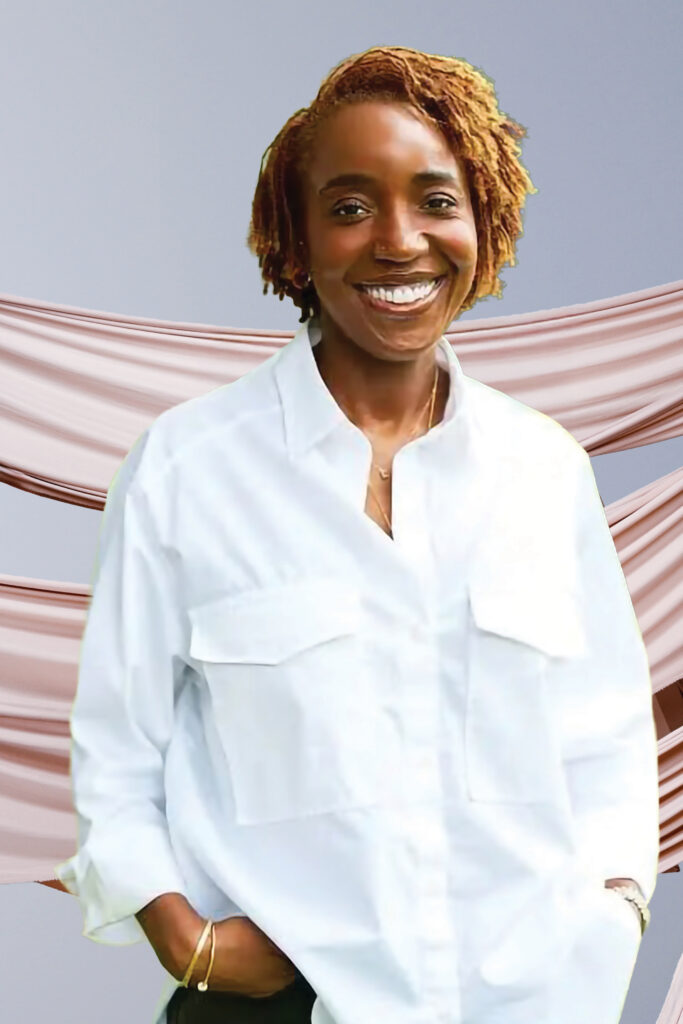
A strong advocate for gender inclusion, Eloho Omame co-founded FirstCheck Africa, an early-stage VC firm investing in tech startups founded or co-founded by women in 2021.
According to the business, its investment portfolio includes startups in Nigeria, Egypt, South Africa, Ghana and Kenya, led by female founders building in financial services, education, healthcare, and retail or commerce.
“Women are building startups in Africa at unprecedented rates,” she told global, non-profit publication, Rest of The World.
“In 2021, 134 female-led startups raised $834 million, 100 of them at pre-seed and seed–that’s four times higher (by deal volume and deal value) than the previous year.
“But the numbers are still tiny, and a huge funding gap remains. It’s not great that more than 50% of that capital went to three later-stage companies with U.S.-based founders.”
Omame also launched and led Endeavor Nigeria as its founding Managing Director and CEO, growing one of West Africa’s largest networks for high-impact entrepreneurs.
Comments (0)
Sign in to join the conversation.
Related Stories

Equatorial Guinea: Charting A New Era Of Sustainable Prosperity
With a renewed focus on diversification and digitalization, Equatorial Guinea is leveraging its resources to create inclusive, long-term growth. “Agro-processing is a key priority, as our goal is to ultimately achieve national self-sufficiency and independence.” President Teodoro Obiang Nguema Mbasogo Equatorial Guinea is entering a new phase in its economic story–one defined by diversification, competitiveness, and connection. […]

Foundations Strengthening A National Future
Policy reforms, national capabilities, and coordinated institutions reinforce long-term growth across Equatorial Guinea. Q. How is your ministry advancing the national development agenda across key sectors such as agriculture, energy, and tourism, and what priorities guide your efforts to drive long-term economic growth and self-sufficiency? Hon. José Juan Ndong Tom Mekina, Minister of Agriculture, Livestock, Forestry, […]

Equatorial Guinea’s Energy Reset And The Revival Of Its Hydrocarbons Sector
As Equatorial Guinea reshapes its position in the regional energy market, GEPetrol is steering the shift to secure production, attract reliable partners, and align upstream growth with long-term economic goals. “Our strategic vision is to develop projects that are sustainable in the long term, and that also revive the economy.” Bienvenido Nguema Envo, General Manager of GEPetrol In 2024, […]
Recommended




The Daily Brief