

She Means Business: Leading By Example In Rwanda
From the rise of female-led businesses to groundbreaking collaborations in film and the arts, Rwanda is charting a new path for women’s empowerment backed by progressive policies. Why Rwanda is so attractive to many people who choose to come into the country is also because of its strong focus on gender equality. Women famously constitute more than 60% of […]

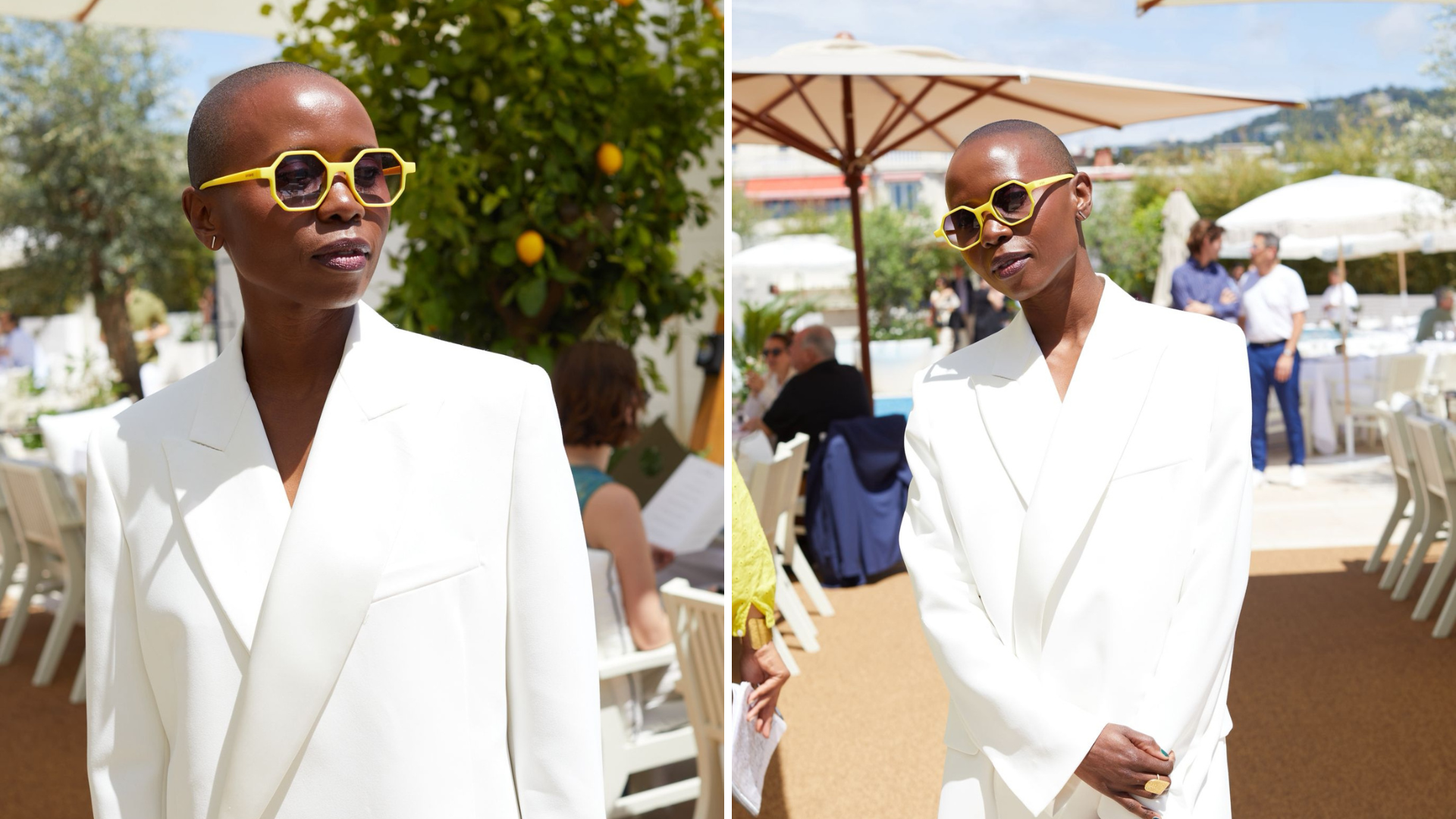
From the rise of female-led businesses to groundbreaking collaborations in film and the arts, Rwanda is charting a new path for women’s empowerment backed by progressive policies.
Why Rwanda is so attractive to many people who choose to come into the country is also because of its strong focus on gender equality. Women famously constitute more than 60% of Rwanda’s lower house of Parliament, and reportedly own 33% of formal SMEs, playing a critical role in socio-economic development.
This is why Rwandan actor Eliane Umuhire built a business on the strong premise of building other women up. Known best for her roles in the 2017 film Birds Are Singing in Kigali and the 2020 French film Petit Pays, Umuhire says she wants to build meaningful connections between French and Rwandan female filmmakers, artists, and creative professionals.
To do that, she founded ‘Au cœur du Rwanda et de la sororité’ (In the Heart of Rwanda and Sisterhood), which aims to foster cross-cultural exchange, advance women in the creative industries, and cultivate leadership through storytelling and collaboration. “Working across industries taught me that leadership is not about authority but about empathy and vision,” Umuhire says to FORBES AFRICA. “In Rwanda, there’s a spirit of rebuilding and collaboration… Navigating has shown me that when women lead with authenticity, they don’t just change cinema, they change culture, by voicing that make us women feel seen and understood. This said, I keep on believing in a world where female accomplishment isn’t an exception but rather a standard.” Umuhire brought Girls Support Girls, a French association that celebrates sisterhood and creative empowerment, to her homeland.
“Rwanda is a place of resilience and rebirth, where women play a leading role in shaping our nation’s story. Together with Karolyne Leibovici and Vanessa Djian, we envisioned this trip as a bridge where Rwandese and French female creatives meet, exchange ideas, and co-create across borders,” Umuhire adds.
Across Africa, discussions about film typically spotlight South Africa and Nigeria. However, Rwanda is emerging as a filmmaking hub with a strong emphasis on social documentaries, historical narratives, and cultural storytelling.
Rwanda’s progress on women’s empowerment and gender equality is making a tangible impact, even in the creative sector.
According to production company Hoodlum Film Fixers, Kigali has become a sought-after filming location thanks to its safety, striking scenery, and governmental support for the creative sector. “Growing up in Rwanda, I witnessed women leading by example in government, in communities, and increasingly in culture,” Umuhire says. “That shaped my confidence as a woman and as a creator. This project builds on that legacy: it’s about showing the world that Rwanda is not only a model of gender equality in politics but also a place where women are redefining creativity and innovation.” Rwanda’s progress on women’s empowerment and gender equality is making a tangible impact.
Sharing this sentiment is entrepreneur Dorah Kirezi who owns and runs two restaurants in Kigali. For Kirezi, this journey has been about more than food. She set out to create a sensory experience, a space that celebrates art, culture and cuisine, rooted in her deep love for hospitality.
“From my early career in customer service and aviation to managing teams and understanding people, over the past ten years, I’ve built several restaurants, each one inspired by Rwanda’s growing appetite for refined, meaningful experiences. I wanted to create spaces that feel global yet proudly Rwandan,” Kirezi says to FORBES AFRICA.
According to a World Bank report, a turning point for women came after the 1994 genocide against the Tutsi in Rwanda. In the aftermath of the tragedy, women constituted a high proportion of the population and were central to rebuilding the nation. The 2003 Constitution mandated a minimum 30% representation for women in all decision-making organs of the state. The report states that this political milestone bolstered business participation by granting women the right to own and inherit land and property.
“Research shows that Rwanda fares better than its neighboring East African states in the number of women that own land and property in their own names,” the report reads.
“ has been both challenging and incredibly fulfilling,” Kirezi says. “Rwanda’s progress in empowering women has transformed how we do business. We are encouraged to innovate, to lead, and to compete on merit. I’ve seen first-hand how supportive policies and networks have allowed women entrepreneurs to thrive–not just as business owners, but as industry shapers.” In a 2024 statement, Rwanda’s President Paul Kagame said women are an important pillar of development in the country. “You referred to the gold that is hidden inside a woman,” he said in the statement.
“For me, it is not hidden, I have always seen it. It is not something we had to discover, it has always been visible. That is why it is easy to promote gender equality. When it comes to rights and fighting for them, I start with reminding women to fight for their own rights, but I also remind every Rwandan that they should not expect anyone else to give them their rights. You have to stand up, fight, and give yourself the rights you have been denied.”
Comments (0)
Sign in to join the conversation.
Related Stories

Equatorial Guinea: Charting A New Era Of Sustainable Prosperity
With a renewed focus on diversification and digitalization, Equatorial Guinea is leveraging its resources to create inclusive, long-term growth. “Agro-processing is a key priority, as our goal is to ultimately achieve national self-sufficiency and independence.” President Teodoro Obiang Nguema Mbasogo Equatorial Guinea is entering a new phase in its economic story–one defined by diversification, competitiveness, and connection. […]

Foundations Strengthening A National Future
Policy reforms, national capabilities, and coordinated institutions reinforce long-term growth across Equatorial Guinea. Q. How is your ministry advancing the national development agenda across key sectors such as agriculture, energy, and tourism, and what priorities guide your efforts to drive long-term economic growth and self-sufficiency? Hon. José Juan Ndong Tom Mekina, Minister of Agriculture, Livestock, Forestry, […]

Equatorial Guinea’s Energy Reset And The Revival Of Its Hydrocarbons Sector
As Equatorial Guinea reshapes its position in the regional energy market, GEPetrol is steering the shift to secure production, attract reliable partners, and align upstream growth with long-term economic goals. “Our strategic vision is to develop projects that are sustainable in the long term, and that also revive the economy.” Bienvenido Nguema Envo, General Manager of GEPetrol In 2024, […]
Recommended




The Daily Brief