

‘Unlivable, Unchangeable’: Uganda’s Capital City Conundrum
The scarcity of opportunities in rural areas has directed Africa’s migratory patterns towards urbanization on a major scale. But while cities were designed for the masses, many weren’t built with a colossal population boom in mind. The continent is expected to reach roughly 2.5 billion by 2050, representing around a quarter of the world. […]

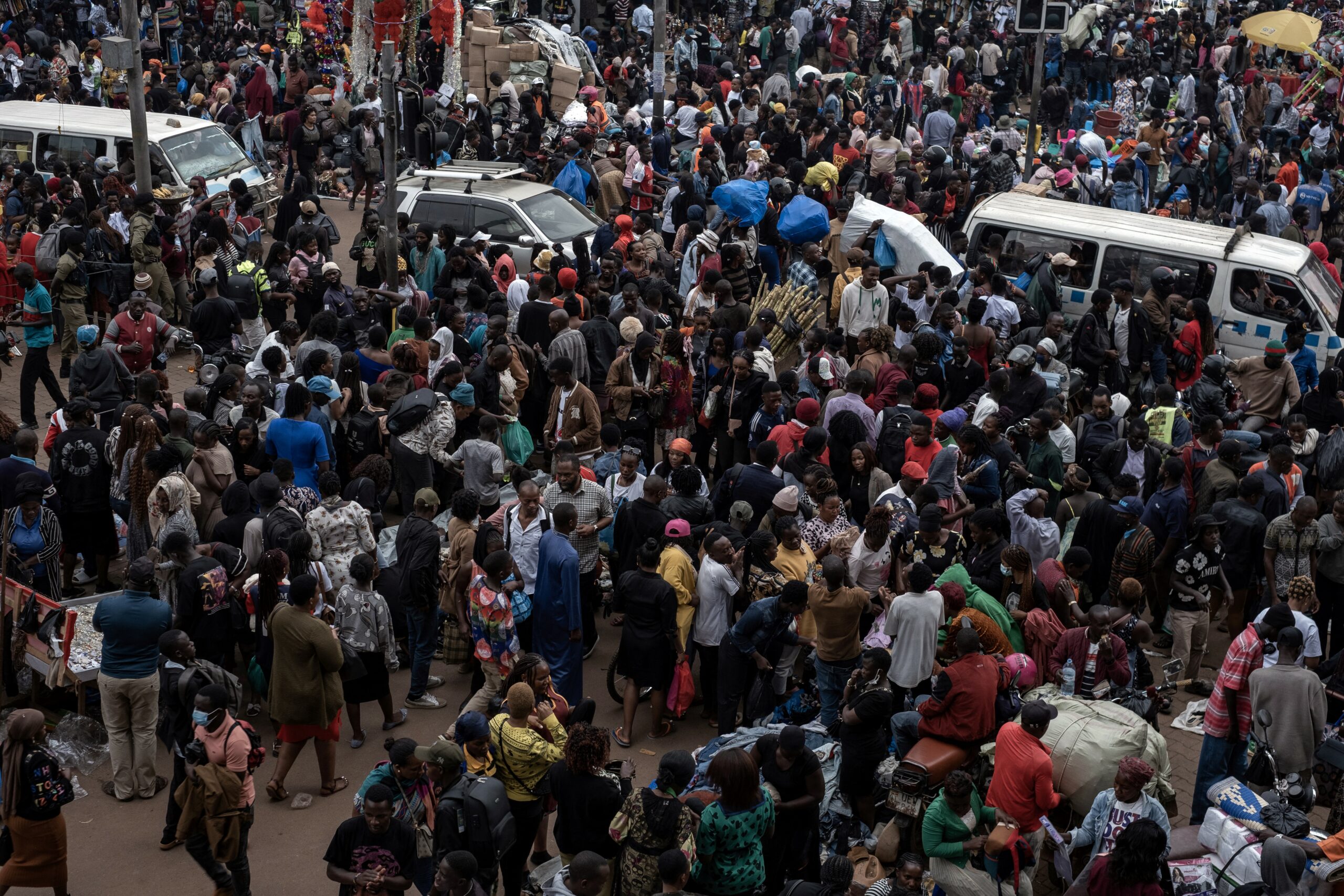
The scarcity of opportunities in rural areas has directed Africa’s migratory patterns towards urbanization on a major scale. But while cities were designed for the masses, many weren’t built with a colossal population boom in mind.
The continent is expected to reach roughly 2.5 billion by 2050, representing around a quarter of the world.
Greater Kampala is responsible for 60% of national GDP and home to 4.5 million people by day. Dr Kiggundu Amin Tamale, Department Head of Urban and Regional Planning at Kampala’s Makerere University, highlights to FORBES AFRICA that stop-start traffic is a daily ritual.
Having said this, in September 2025, a five-year, $3 billion plan was launched under the theme ‘Revitalizing Kampala into a Functional City’, perhaps suggesting it is no longer ‘functional’.
By 2030, the initiative aims to upgrade and reconstruct 325 kilometers (km) of roads, reduce average travel time from 4.2 minutes per km to 3 minutes, and, among other targets, construct 80km of drainage channels.
However, speaking, more recently, on the matter in parliament, Margeret Muhanga Mugisa, Minister of State for Lands, Housing and Urban Development, labeled the capital’s reality as “unlivable, unchangeable and untenable”, before recommending the district of Nakasongola as the solution.
This isn’t the first time Nakasongola has been touted as such. Ugandans have heard this for years from various politicians, who have long advocated for the area’s central location and the vastness of untapped land.
Kampala currently serves as the nation’s administrative and commercial hub.
“The supporters of Nakasongola want the administrative functions of Kampala to be shifted, but for it to remain as Uganda’s major commercial center,” Tamale confirms.
“It’s both a growth strategy and an escape from the existing intractable problems such as traffic jams, slum development, uncontrolled urban expansion, increased air pollution, poor urban governance, and poor waste management,” he adds.
A move of this magnitude would be onerous, but not an African first. Nigeria relocated its central government administrative functions from Lagos to Abuja while Tanzania’s government uprooted from Dar es Salaam to Dodoma.
Kampala’s Lord Mayor, Ronald Balimwezo, however, opposes claims that the current capital should be stripped of its administrative title, instead calling for greater investment to overcome its gridlocked state.
Another roadblock hindering Mugisa’s call for action is legislation. The Kampala Capital City Act, 2011, acknowledges Kampala as the central government’s administrative hub, meaning any hopes of change depends on a constitutional amendment.
It’s hard to gauge how seriously the country is entertaining the prospect of Nakasongola as a hub, but as Kampala continues operating, seemingly at breaking point, the concept of a fresh start surely becomes more attractive.
Comments (0)
Sign in to join the conversation.
Related Stories

Equatorial Guinea: Charting A New Era Of Sustainable Prosperity
With a renewed focus on diversification and digitalization, Equatorial Guinea is leveraging its resources to create inclusive, long-term growth. “Agro-processing is a key priority, as our goal is to ultimately achieve national self-sufficiency and independence.” President Teodoro Obiang Nguema Mbasogo Equatorial Guinea is entering a new phase in its economic story–one defined by diversification, competitiveness, and connection. […]

Foundations Strengthening A National Future
Policy reforms, national capabilities, and coordinated institutions reinforce long-term growth across Equatorial Guinea. Q. How is your ministry advancing the national development agenda across key sectors such as agriculture, energy, and tourism, and what priorities guide your efforts to drive long-term economic growth and self-sufficiency? Hon. José Juan Ndong Tom Mekina, Minister of Agriculture, Livestock, Forestry, […]

Equatorial Guinea’s Energy Reset And The Revival Of Its Hydrocarbons Sector
As Equatorial Guinea reshapes its position in the regional energy market, GEPetrol is steering the shift to secure production, attract reliable partners, and align upstream growth with long-term economic goals. “Our strategic vision is to develop projects that are sustainable in the long term, and that also revive the economy.” Bienvenido Nguema Envo, General Manager of GEPetrol In 2024, […]
Recommended




The Daily Brief