

‘Violence Against Women In This Country Inhuman’: South African President Sets 90-Day Deadline For Crisis Fix
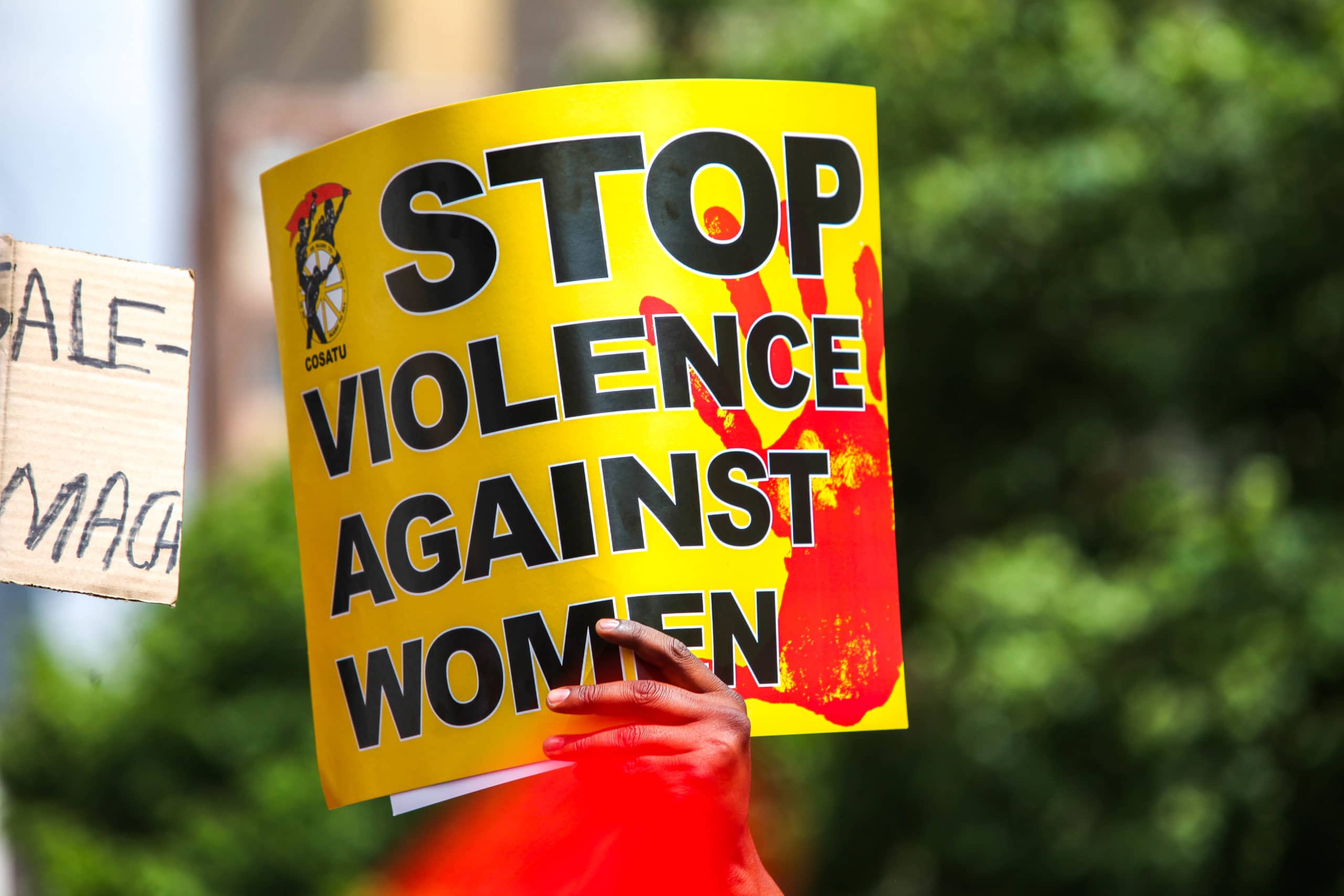
Top Line South Africa’s president Cyril Ramaphosa addressed the country on Tuesday in response to the recent spate of killings and violence against women, ordering urgent action and announcing a 90-day timeline to fix the crisis. A total of 11 women were found murdered in and around Ekurhuleni area in Johannesburg over the past two […]

Top Line
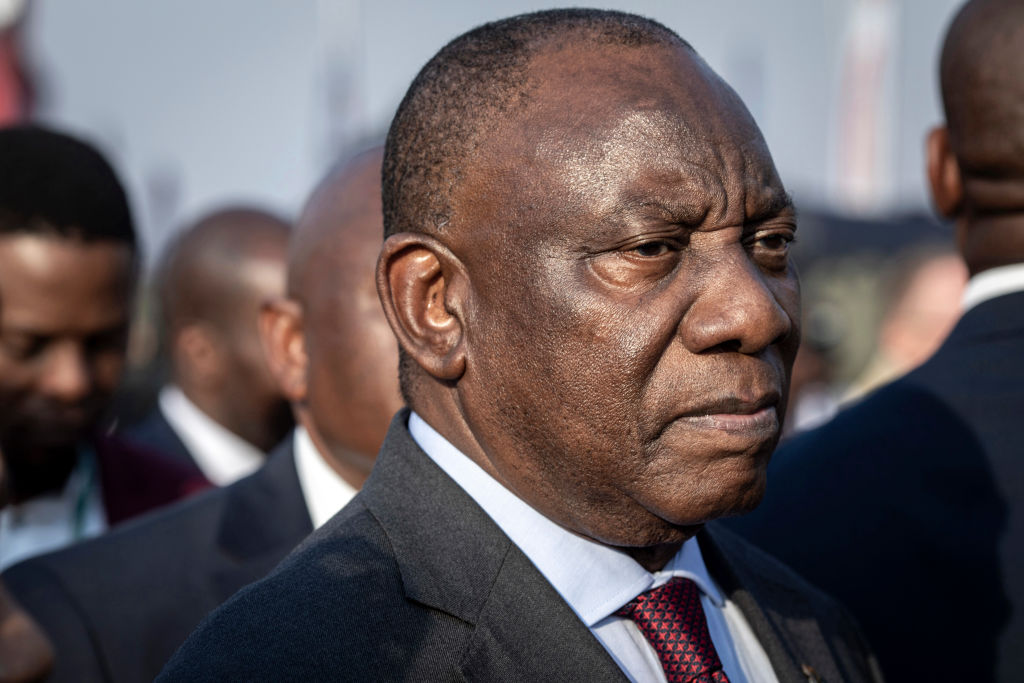
South Africa’s president Cyril Ramaphosa addressed the country on Tuesday in response to the recent spate of killings and violence against women, ordering urgent action and announcing a 90-day timeline to fix the crisis. A total of 11 women were found murdered in and around Ekurhuleni area in Johannesburg over the past two months. In the public address, Ramaphosa said he shared the anger and the grief of the nation, acknowledging that there could be more victims beyond Ekurhuleni.
“There are others whose names we do not yet know,” he said. “There are women lying tonight in government mortuaries waiting to be identified, waiting for someone to claim them, waiting to be taken home and laid to rest. How can our hearts not be broken? How can we not be angry? The violence being perpetrated against women in this country is inhuman.”
Key Facts
Since early September, South Africa has seen a spike in murder cases in the East of Johannesburg. Elizabeth ‘Tsontso’ Moselakgomo, one of the victims, had been reported missing after going for her usual afternoon run on September 9, in the Rhodesfield area of Kempton Park.
On Tuesday morning, South Africa’s cabinet and the president confirmed that they had in custody four suspects, with the investigation teams pursuing several other people of interest. The government has called on law enforcement agencies to expedite the arrest and prosecution of those responsible for the killing of women in Ekurhuleni and surrounding areas.
“We cannot police our way out of gender-based violence alone,” Ramaphosa said in his address. “We cannot arrest our way out of this crisis alone. And we cannot wait until a woman is murdered before the state intervenes. Our task must be to prevent the violence before it happens.”
Ramaphosa said the investigation has been elevated to the national level bringing together specialized teams including detectives, crime intelligence, forensic specialists, investigative psychologists and digital investigators.
With immediate effect, the government will launch a recovery operation focusing on unresolved murders, attempted murders, rapes and serious sexual offences involving women and children. The president has given 60 days for an audit on outstanding cases and within 90 days, recovery plans to be put in place to prioritize stalled cases. “We have placed the burden of male violence on women. That must change,” he said.
Key Quote
“This cannot be accepted as a normal part of life in South Africa,” Ramaphosa said. “We must confront an uncomfortable truth. What we have done has not been enough. We need to do much more. It has not been enough to prevent women from being killed. It has not been enough to make women safe in their homes, in our streets, on public transport, in workplaces and places of learning. It has not been enough to change the attitudes and behavior that enable violence against women.”
Key Numbers
Per a 2012-2013 KPMG report, gender-based violence (GBV) in South Africa cost the economy at least R28.4 billion to R42.4 billion (approximately $3.46 billion to $5.16 billion using average exchange rates in 2012) per year, equivalent to approximately 0.9% to 1.3% of GDP. With no significant drop in GBV rates, the figure is likely even higher today, but there are few updated reports or reference points.
Further Reading
‘Lost Human Potential’: Johannesburg’s Recent Murder Spate Exposes The Real Cost Of Gender-Based Violence (FORBES AFRICA)
Comments (0)
Sign in to join the conversation.
Related Stories

Equatorial Guinea: Charting A New Era Of Sustainable Prosperity
With a renewed focus on diversification and digitalization, Equatorial Guinea is leveraging its resources to create inclusive, long-term growth. “Agro-processing is a key priority, as our goal is to ultimately achieve national self-sufficiency and independence.” President Teodoro Obiang Nguema Mbasogo Equatorial Guinea is entering a new phase in its economic story–one defined by diversification, competitiveness, and connection. […]

Foundations Strengthening A National Future
Policy reforms, national capabilities, and coordinated institutions reinforce long-term growth across Equatorial Guinea. Q. How is your ministry advancing the national development agenda across key sectors such as agriculture, energy, and tourism, and what priorities guide your efforts to drive long-term economic growth and self-sufficiency? Hon. José Juan Ndong Tom Mekina, Minister of Agriculture, Livestock, Forestry, […]

Equatorial Guinea’s Energy Reset And The Revival Of Its Hydrocarbons Sector
As Equatorial Guinea reshapes its position in the regional energy market, GEPetrol is steering the shift to secure production, attract reliable partners, and align upstream growth with long-term economic goals. “Our strategic vision is to develop projects that are sustainable in the long term, and that also revive the economy.” Bienvenido Nguema Envo, General Manager of GEPetrol In 2024, […]
Recommended




The Daily Brief