

WHO Declares Ebola Outbreak In Africa ‘Extraordinary’ Public Health Emergency
Topline The World Health Organization declared the Ebola outbreak in the Democratic Republic of the Congo and Uganda a public health emergency of international concern late on Saturday night, after public health authorities identified 246 suspected cases and 80 suspected deaths from the disease in the Congo caused by a virus with no approved specific […]

Topline
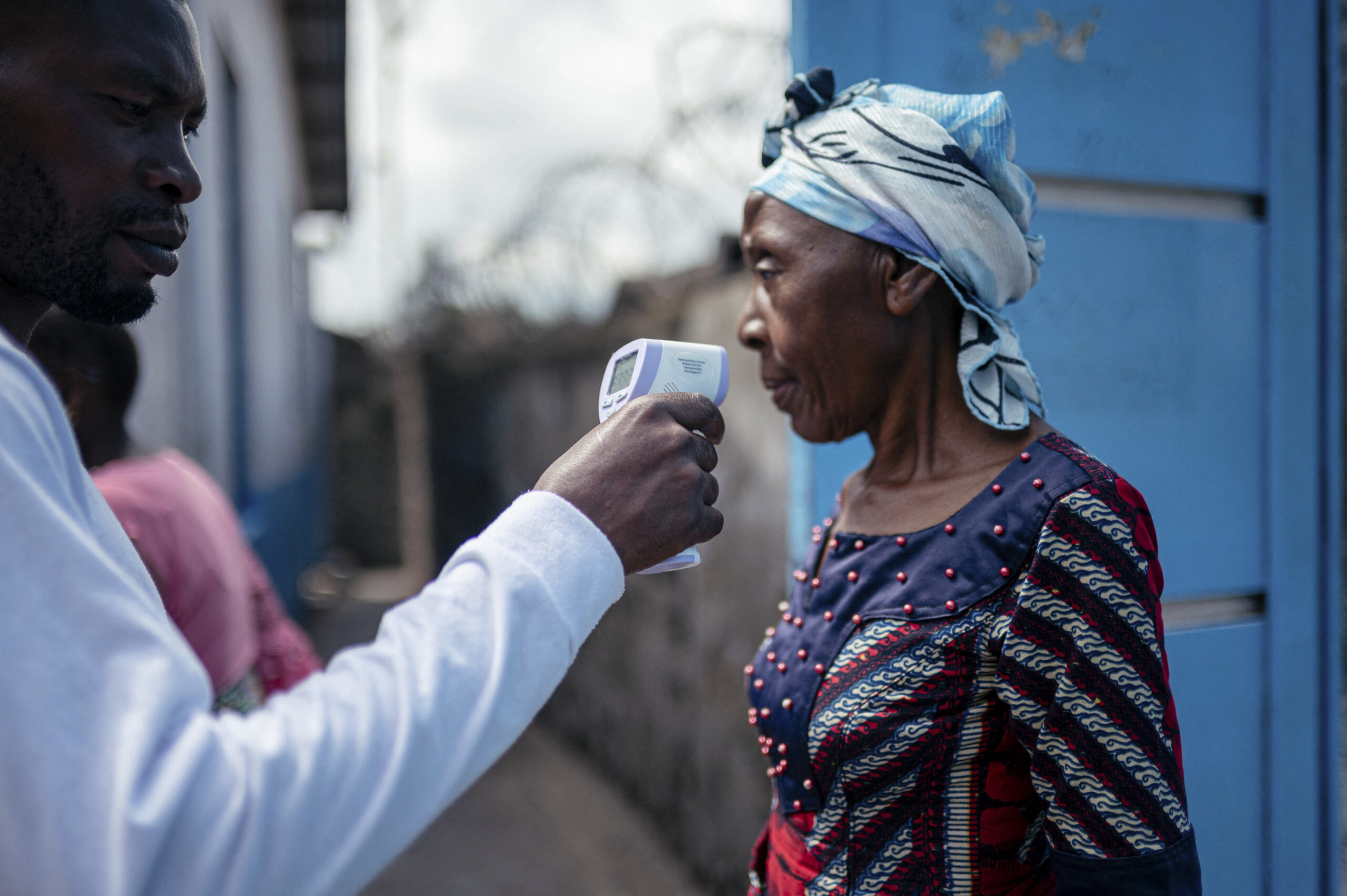
The World Health Organization declared the Ebola outbreak in the Democratic Republic of the Congo and Uganda a public health emergency of international concern late on Saturday night, after public health authorities identified 246 suspected cases and 80 suspected deaths from the disease in the Congo caused by a virus with no approved specific vaccine or treatment.
Officials suspect the disease has caused 80 deaths in the Democratic Republic of Congo so far.
Key Facts
The WHO has confirmed eight cases of Ebola in the DRC’s Ituri Province, and the suspected cases and deaths have been spread out across three different health zones in the province.
Authorities in Kampala, the capital of Uganda, have also confirmed two cases of Ebola, including one death, in two people traveling from the DRC within 24 hours of each other but with no known connection to one another.
The outbreak is caused by the Bundibugyo virus, according to the WHO, an Ebolavirus for which public health authorities do not have an approved virus-specific vaccine.
The WHO is calling the emergency “extraordinary,” but it does not meet the criteria to be considered a pandemic.
Surprising Fact
The DRC has faced over a dozen Ebola outbreaks since 1976, according to the Centers for Disease Control and Prevention. The current outbreak marks the country’s 17th since then, coming only months after a previous outbreak between September-December 2025 with 64 reported cases and 45 reported deaths. It’s also the largest since a previous outbreak in the Ituri Province and North Kivu Province led to over 2,200 deaths in 2018 and 2019. Notably, previous outbreaks were caused by Ebola-Zaire strains of the virus—strains for which public health officials have approved vaccines.
Where Else Are Cases Occurring?
The DRC government is still engaged in a protracted war with rebel groups in the eastern portion of the country. One of these groups, the M23 Movement, controls parts of neighboring North Kivu Province. The group reported another Ebola death in the province’s capital Goma, Reuters reported, citing the rebels. Another case was previously confirmed in the DRC’s capital Kinshasa from a person returning from the Ituri Province, although that person has now tested negative for the virus and is no longer considered a confirmed case, the WHO said on Saturday.
What Is A Public Health Emergency Of International Concern?
The WHO defines this as an “extraordinary event” that could pose a public health risk to multiple nation states and possibly require a coordinated international response in the future. A pandemic emergency is also an international public health crisis, but one that is “exceeding, or is at high risk of exceeding, the capacity of health systems” in the countries the disease is present in. A pandemic also could cause “substantial social and/or economic disruption” and requires “rapid” coordination between nations to address. There is no set number of infections or clearly quantified level of spread that determines when a pandemic is declared.
What Is Ebola?
Ebola is a deadly disease caused by an ebolavirus, a type of virus typically found in sub-Saharan Africa, according to the CDC. Ebola causes a hemorrhagic fever, with symptoms that start with fever, aches, pains and fatigue before progressing to diarrhea, vomiting and bleeding, according to the public health agency. The virus typically spreads through contact with bodily fluids from another person infected with the disease, and family members and health care workers are considered the most at risk. Ebola is incredibly deadly, with the CDC reporting a mortality rate as high as 80-90%.
Comments (0)
Sign in to join the conversation.
Related Stories

Equatorial Guinea: Charting A New Era Of Sustainable Prosperity
With a renewed focus on diversification and digitalization, Equatorial Guinea is leveraging its resources to create inclusive, long-term growth. “Agro-processing is a key priority, as our goal is to ultimately achieve national self-sufficiency and independence.” President Teodoro Obiang Nguema Mbasogo Equatorial Guinea is entering a new phase in its economic story–one defined by diversification, competitiveness, and connection. […]

Foundations Strengthening A National Future
Policy reforms, national capabilities, and coordinated institutions reinforce long-term growth across Equatorial Guinea. Q. How is your ministry advancing the national development agenda across key sectors such as agriculture, energy, and tourism, and what priorities guide your efforts to drive long-term economic growth and self-sufficiency? Hon. José Juan Ndong Tom Mekina, Minister of Agriculture, Livestock, Forestry, […]

Equatorial Guinea’s Energy Reset And The Revival Of Its Hydrocarbons Sector
As Equatorial Guinea reshapes its position in the regional energy market, GEPetrol is steering the shift to secure production, attract reliable partners, and align upstream growth with long-term economic goals. “Our strategic vision is to develop projects that are sustainable in the long term, and that also revive the economy.” Bienvenido Nguema Envo, General Manager of GEPetrol In 2024, […]
Recommended




The Daily Brief