

Why Sub-Saharan Africa Can’t Shrug Off Record Diesel Prices Yet
War in the Middle East and Eastern Europe has dented diesel stockpiles worldwide, sending prices to record highs from South Africa to the United Kingdom and the United States (U.S.). In the U.S., diesel inventories dropped to 107.9 million barrels last month, the lowest level ever recorded for this time of year since records began, […]

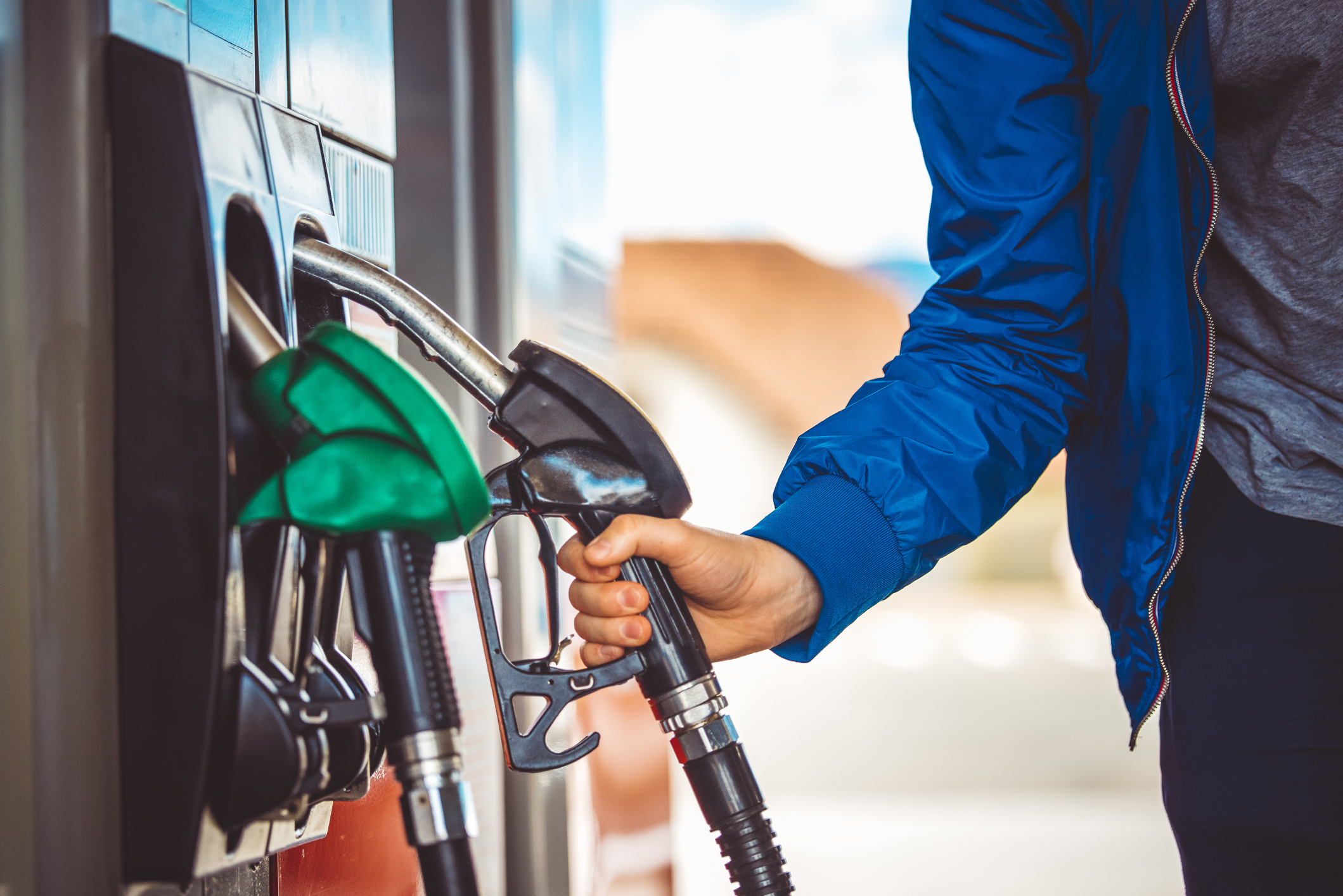
War in the Middle East and Eastern Europe has dented diesel stockpiles worldwide, sending prices to record highs from South Africa to the United Kingdom and the United States (U.S.).
In the U.S., diesel inventories dropped to 107.9 million barrels last month, the lowest level ever recorded for this time of year since records began, the US Energy Information Administration reported. President Donald Trump then temporarily eased restrictions on Russian diesel supplies to counteract the supply-demand imbalance triggering unprecedented fuel prices.
So, how does sub-Saharan Africa (SSA) fit into the diesel equation? A report on Africa’s power system by Energy For Growth Hub found that the region has more estimated diesel capacity than installed grid capacity, outweighing it by 105 gigawatts (GW) to 75 GW.
Across businesses, mines, and households, diesel generators are a common contingency against unreliable grids. For industrialization, the barriers to entry heighten when power is bought at a premium; a costly reality that makes economic growth harder to achieve.
“Mining operations in Africa remain concentrated at the extraction stage, which largely depends on diesel-generated power….as fuel prices rise, mining operations get hit with even more costly power… Even before the war, mining economies in Africa were struggling with skyrocketing electricity prices and power supply shortfalls…,” Daniel Johansson, Research Associate at Energy for Growth Hub, tells FORBES AFRICA.
Showcasing just how at the mercy of global diesel SSA is, the report reveals that, barring South Africa, sub-Saharan nations have nearly 1.5 times more diesel generation capacity than grid capacity. More so, diesel generation tops grid power in over 26 of its markets.
Amplifying cost concerns is the fact that the continent is already import-dependent for everyday goods and fertilizers, typically transported by diesel trucks.
“Even major crude producers like Nigeria export raw crude only to reimport expensive refined products at global market prices… the war is compounding power, industrial, and food access shocks in countries least equipped to manage them,” Johansson adds.
Importers have spent $26 billion on diesel gensets since 2000, the report highlights, mentioning that the price to consumers compared with reliable electricity is “likely significantly higher”.
The ripple effect of rising input costs on African economies already struggling with some of the highest levels of debt borrowing paints a potentially bleak future for public spending. “If prolonged, a decline in export earnings, foreign currency, and domestic revenue will reflect the cascading pain across these economies,” Johansson puts.
Asked how SSA could flip the deficit from diesel generation to installed grid capacity to insulate itself from price shocks, Meron Tesfaye, Innovation Director at Energy for Growth Hub, shares with FORBES AFRICA the factors that need to fall into place.
“First, utilities and governments seriously address power quality and reliability issues, and second, new energy infrastructure is built paired with demand centers and consumers able to pay for it.”
Until then, she says, homes, businesses, and industries in Africa “will continue to rely on diesel generators to hedge their risk of exposure to unreliable and unavailable power”.
Comments (0)
Sign in to join the conversation.
Related Stories

Equatorial Guinea: Charting A New Era Of Sustainable Prosperity
With a renewed focus on diversification and digitalization, Equatorial Guinea is leveraging its resources to create inclusive, long-term growth. “Agro-processing is a key priority, as our goal is to ultimately achieve national self-sufficiency and independence.” President Teodoro Obiang Nguema Mbasogo Equatorial Guinea is entering a new phase in its economic story–one defined by diversification, competitiveness, and connection. […]

Foundations Strengthening A National Future
Policy reforms, national capabilities, and coordinated institutions reinforce long-term growth across Equatorial Guinea. Q. How is your ministry advancing the national development agenda across key sectors such as agriculture, energy, and tourism, and what priorities guide your efforts to drive long-term economic growth and self-sufficiency? Hon. José Juan Ndong Tom Mekina, Minister of Agriculture, Livestock, Forestry, […]

Equatorial Guinea’s Energy Reset And The Revival Of Its Hydrocarbons Sector
As Equatorial Guinea reshapes its position in the regional energy market, GEPetrol is steering the shift to secure production, attract reliable partners, and align upstream growth with long-term economic goals. “Our strategic vision is to develop projects that are sustainable in the long term, and that also revive the economy.” Bienvenido Nguema Envo, General Manager of GEPetrol In 2024, […]
Recommended




The Daily Brief