

Zambia Prepares For El Niño After Previous Droughts Triggered Blackouts
The drought over two years ago had catastrophic consequences for Zambia’s energy security–a nation largely dependent on hydropower, generating over 80% of its electricity, according to government figures. As rivers dried up, the number of blackouts rose. The arriving El Niño—widely expected to become one of the strongest on record and anticipated to grapple the …
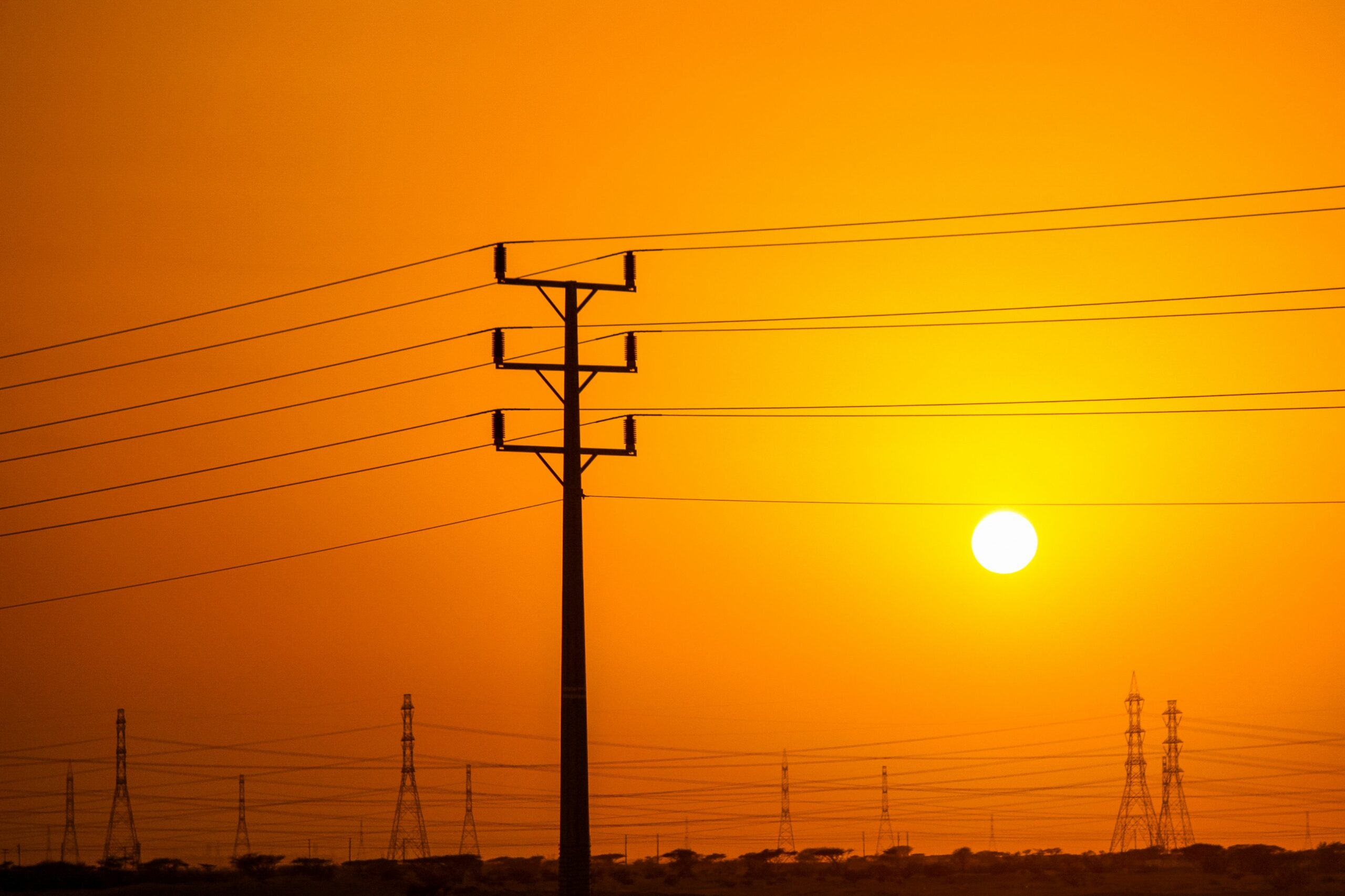
The drought over two years ago had catastrophic consequences for Zambia’s energy security–a nation largely dependent on hydropower, generating over 80% of its electricity, according to government figures.
As rivers dried up, the number of blackouts rose. The arriving El Niño—widely expected to become one of the strongest on record and anticipated to grapple the nation with high temperatures and little rain—reignites concerns as to whether Zambia is prepared for another disrupted wet season.
Kennedy Muchanga, Regional Manager of Zambia’s state-owned power company, ZESCO, shares with FORBES AFRICA on the sidelines of Africa Energy Week in Cape Town in October why it is no longer as vulnerable to the flow of its rivers, but also better positioned to harness whatever Mother Nature brings.
“We’ve added more than 1,000 megawatts (MW) in solar over the last year,” Muchanga highlights, which has coincided with a 635 MW addition in thermal power, almost double the capacity Zambia possessed “when we were hit by that drought”, he adds.
This green energy addition “means we should be able to sustain ourselves if it happens again,” he explains, before confirming the current energy supply to be “very stable.”
Bottlenecks remain in distribution, however, and will be an area of concern over the course of the El Niño. Muchanga admits the need to prioritize building transmission lines, believing that their ability to export via the Southern African Power Pool (SAPP) can’t be done without implementation of such legacy infrastructure.
Muchanga also confirms the country’s ongoing pursuit of financing to break ground, with some projects scheduled to “start commissioning soon”.
A landlocked nation sharing borders with eight countries, Zambia is favorably positioned to become a focal point within the SAPP. Projects are in motion for the state to leverage its geopolitical sway, including various interconnectors, such as with Malawi and Tanzania, and “some inland transmission lines,” Muchanga adds.
The Daily Brief
Get the daily FORBES.NG briefing.
Comments (0)
Sign in to join the conversation.
Related Stories

The 33-Year-Old South African Rapper On His Journey From The Township To The Big Screen
South African rapper and songwriter Maglera Doe Boy (born Tokelo Moyakhe) is expanding beyond music with Mzansi, a two-part short film celebrating southern African street culture, hip-hop, fashion, interwoven with a story of forbidden love. Speaking to FORBES AFRICA in New York, the Klerksdorp-born artist reveals that the film, shot in Johannesburg and Mozambique, …

‘Thinking Five Years Ahead’: Ethiopia’s $50 Million Bet To Become Billion-Dollar Regional Gold And Metals Hub
Inaugurated on October 10, Ethiopia’s National Precious Metals Refinery coincides with gold’s rising importance for the nation of nearly 140 million people. According to the National Bank of Ethiopia, gold exports rose from $133.6 million in the fourth quarter (Q4) of 2023/24 to $1.29 billion in Q4 2024/25. Welcomed as Ethiopia’s first gold refinery, and …
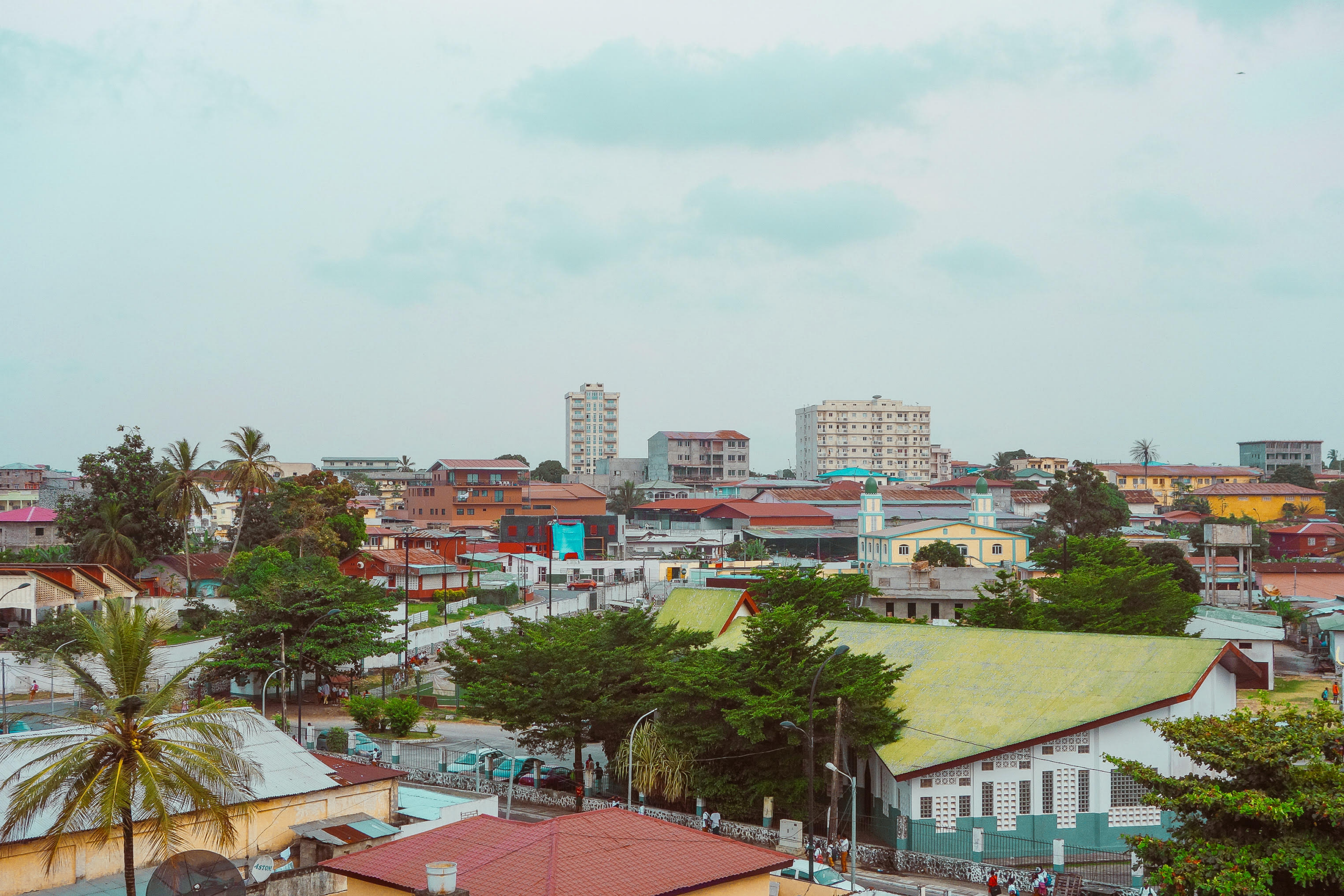
Equatorial Guinea: Charting A New Era Of Sustainable Prosperity
With a renewed focus on diversification and digitalization, Equatorial Guinea is leveraging its resources to create inclusive, long-term growth. “Agro-processing is a key priority, as our goal is to ultimately achieve national self-sufficiency and independence.” President Teodoro Obiang Nguema Mbasogo Equatorial Guinea is entering a new phase in its economic story–one defined by diversification, competitiveness, and connection. …
More from Freddie Hiney
‘Thinking Five Years Ahead’: Ethiopia’s $50 Million Bet To Become Billion-Dollar Regional Gold And Metals Hub
Inaugurated on October 10, Ethiopia’s National Precious Metals Refinery coincides with gold’s rising importance for the nation of nearly 140 million people. According to the National Bank of Ethiopia, gold exports rose from $133.6 million in the fourth quarter (Q4) of 2023/24 to $1.29 billion in Q4 2024/25. Welcomed as Ethiopia’s first gold refinery, and …
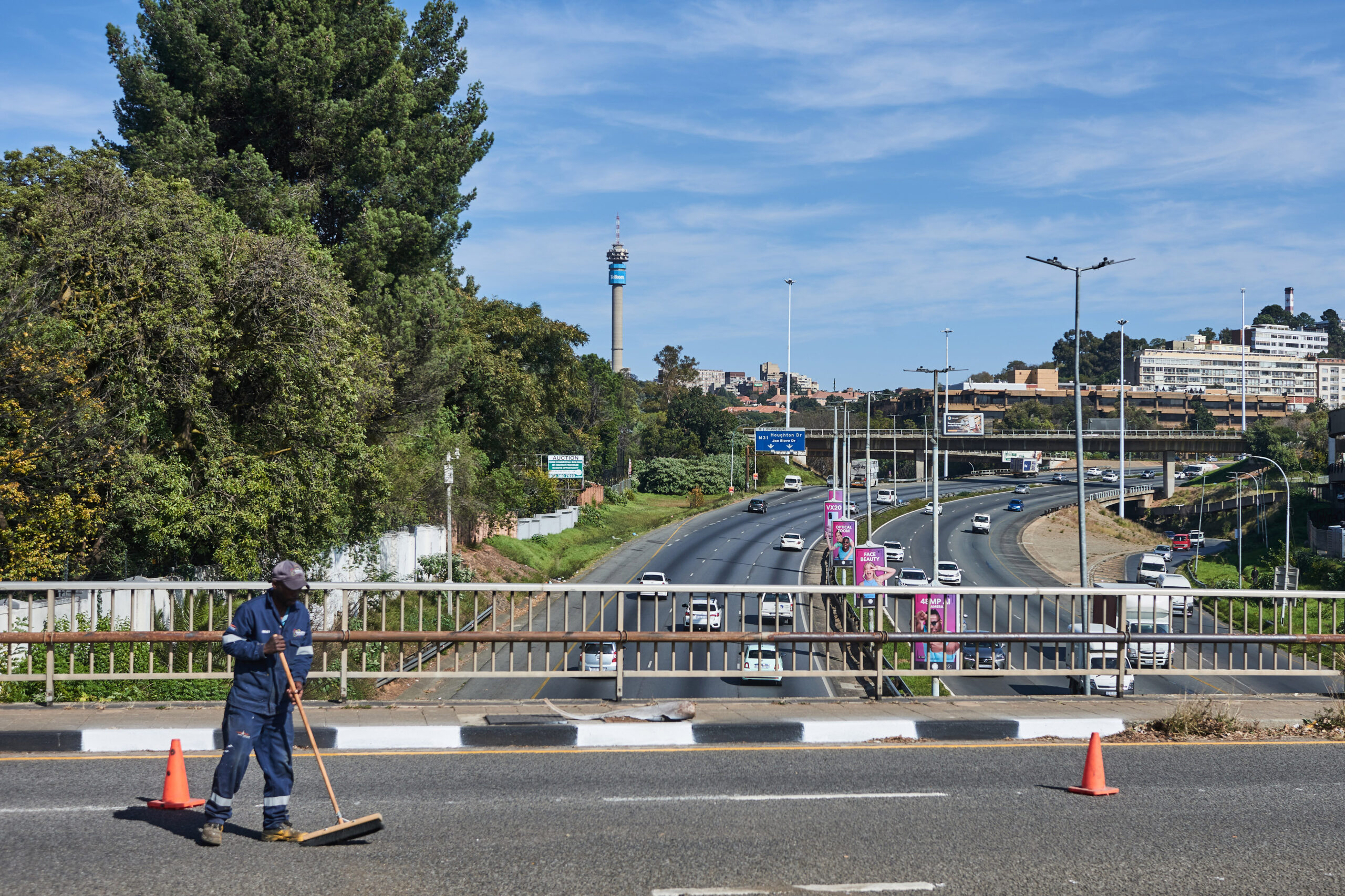
Interest Rate Rises In South Africa, Experts Evaluate Possibility Of Recession
The financial toll of the ongoing global energy crisis is becoming increasingly apparent for Africa’s biggest economy. On Thursday, the South African Reserve Bank (SARB) announced its decision to increase the interest rate by 25 basis points to 7%, a week after year-on-year head inflation hiked to 4%, up from 3.1% in March. Offering some …
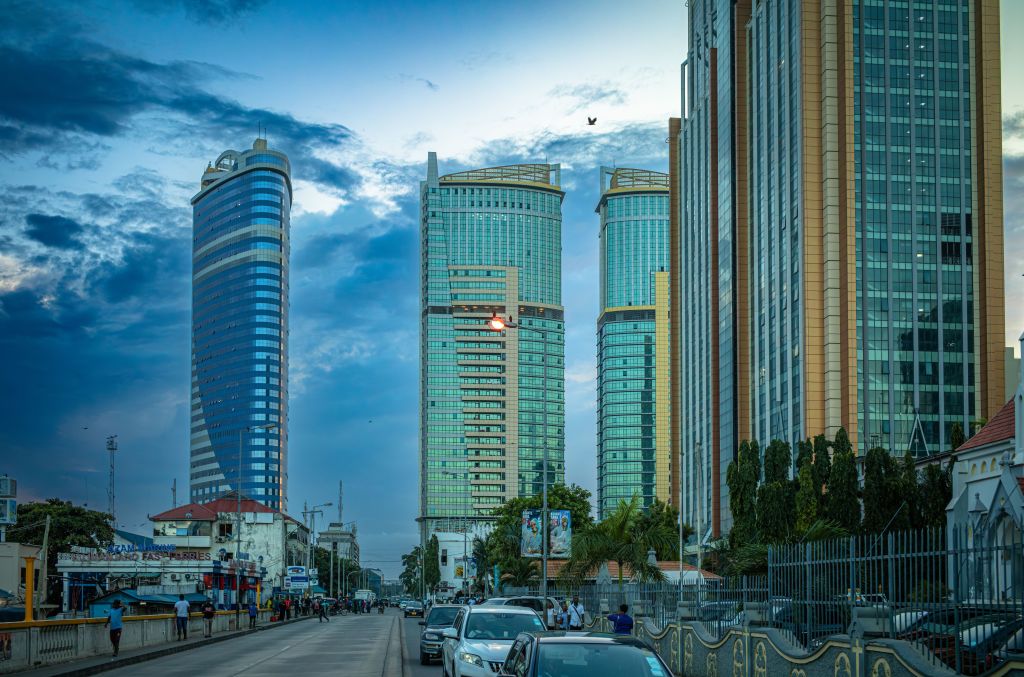
Tanzania Eyes Financial Hub Status, But Can It Overcome Hurdles?
According to International Monetary Fund (IMF) data, Tanzania is projected to become a $100 billion economy by 2027, nearly double what it was 10 years ago. It’s progression that comes at a time of momentum. The East African nation is expected to grow by 5.9% this year, followed by 6.1% the following year, and 6.3% …
Recommended

The Daily Brief