

‘Cost And Uncertainty Of Operating Here Become Too Great’: What The South African Municipal Polls Mean For Business Confidence
A South African business can pay its municipal bills and still have to buy a generator, install backup water supplies and hire extra security. That is one of the economic challenges facing the new councils emerging from South Africa’s November 4 local government elections. Busisiwe Mavuso, Chief Executive of Business Leadership South Africa, says companies …

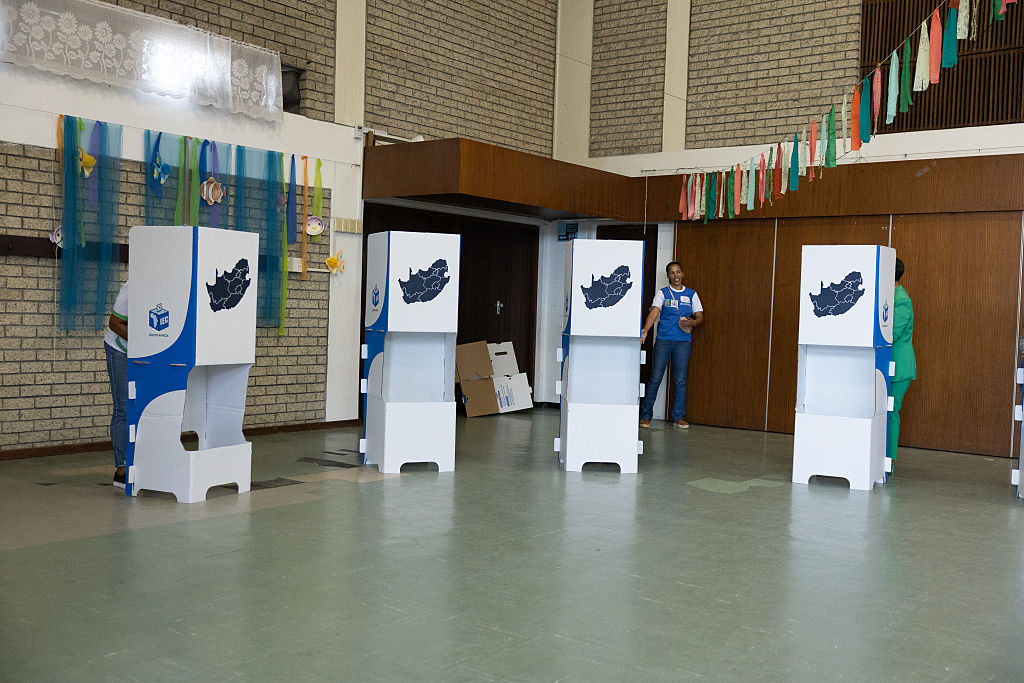
A South African business can pay its municipal bills and still have to buy a generator, install backup water supplies and hire extra security. That is one of the economic challenges facing the new councils emerging from South Africa’s November 4 local government elections.
Busisiwe Mavuso, Chief Executive of Business Leadership South Africa, says companies are spending money on services that municipalities are already supposed to provide.
“That is money that could otherwise have gone into expanding their businesses, investing in new productive capacity and creating jobs,” she tells FORBES AFRICA. The problem is not limited to the cost of equipment. Unreliable water and electricity make it difficult to plan production or decide where to expand. “A manufacturer cannot operate competitively if it does not know whether it will have electricity or water tomorrow,” Mavuso says.
The pressure is particularly relevant in South Africa’s major cities.
According to the Auditor-General’s latest local government report, released in June 2026, none of the country’s eight metropolitan municipalities achieved a clean audit in 2024/25, meaning all had problems with financial reporting, compliance with legislation or performance reporting.
Together with the companies and agencies they oversee, the metros managed 54% of the country’s total local government expenditure budget that year.
The Auditor-General also found that nearly half the country’s municipalities–116 out of 257–adopted budgets they could not realistically afford to fund. Of those, 77 had done so for four consecutive years.
The question now is whether the newly-elected councils can improve the management of municipalities that businesses depend on, or whether the same problems will continue.
Business confidence has weakened.
A quarterly survey by Rand Merchant Bank and Stellenbosch University’s Bureau for Economic Research found that only 38% of businesses surveyed were satisfied with economic conditions in the third quarter of 2026, down from 47% at the start of the year.
Figures released by Statistics South Africa on September 8 also showed that investment in buildings, machinery and other long-term assets declined by 0.2% in the second quarter compared with the previous quarter.
Isaah Mhlanga, Chief Economist at Rand Merchant Bank, points to a gap between confidence in South Africa’s financial markets and what businesses are experiencing.
Government bond yields and a relatively stable rand suggest greater confidence in national economic reforms, but that has not translated into stronger investment in the businesses and infrastructure needed to grow the economy. “We believe this has to do with local government risks and constraints,” he tells FORBES AFRICA.
Mhlanga argues that every business operates within a municipality, making the quality of local government an important factor in investment decisions. Even where national reforms are improving economic conditions, unreliable municipal services and local political instability can discourage
businesses from expanding. He says investors should pay attention to how governing coalitions are formed at local government level, particularly as to whether the cooperation between parties at national level extends to municipalities.
The stability of those coalitions matters because disagreements over budgets, infrastructure spending and service delivery can delay decisions and make it harder for businesses to plan and invest.
Mavuso warns that the consequences could extend well beyond individual companies. “The danger is that companies eventually stop investing in South Africa, not because the country lacks opportunity, but because the cost and uncertainty of operating here become too great,” she said.
To prevent that, Mavuso argues that the new councils need to get their finances under control, repair and maintain infrastructure, make sure basic services work and tackle corruption.
She points to improvements at Eskom, South Africa’s state-owned electricity company, where power cuts have fallen sharply, and the South African Revenue Service (SARS), which has improved tax collection, as examples of how struggling public institutions can recover. She believes municipalities can do the same.
The Daily Brief
Get the daily FORBES.NG briefing.
Comments (0)
Sign in to join the conversation.
Related Stories
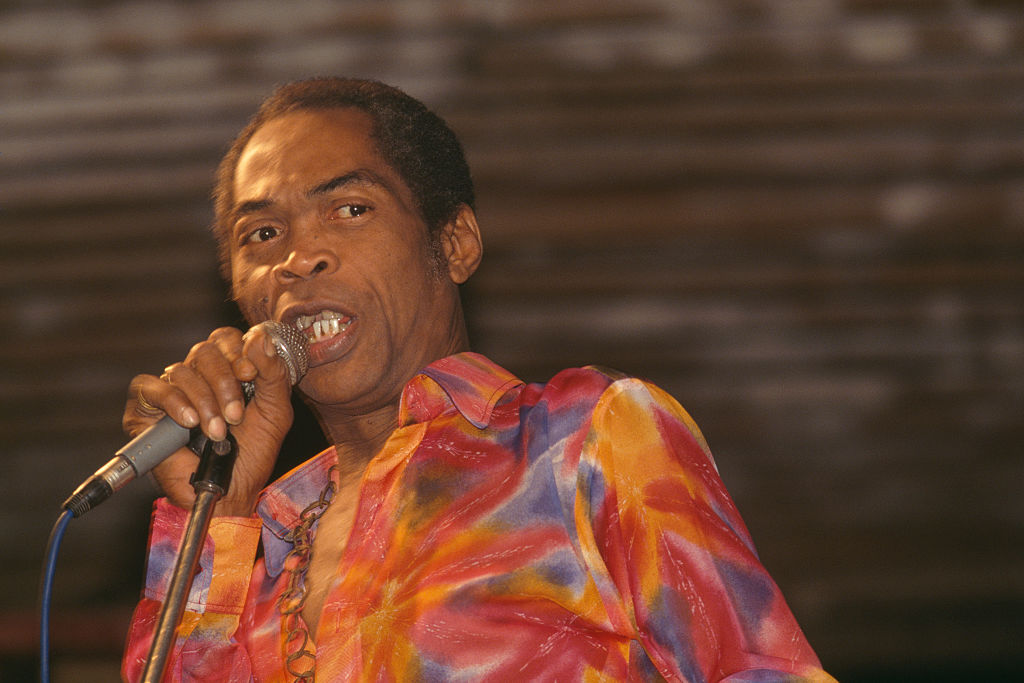
Nigerian Afrobeat Pioneer Fela Kuti Remembered With Historic Award
Nigerian Afrobeat pioneer Fela Kuti was recently formally inducted into the Rock & Roll Hall of Fame, receiving the early influence award in recognition of his contribution to music and his lasting impact on rock and popular culture. The award honors artistes whose music and performance styles have directly influenced, inspired and helped shape the …

‘Grand Theft Auto VI’ Passes $1.8 Billion In Revenue On Release Day—Eclipses ‘The Odyssey’s Box Office Total
Topline The highly anticipated “Grand Theft Auto VI” has already generated $1.84 billion in revenue as of release day, according to estimates by market research firm Sensor Tower, edging out the total worldwide box office gross of summer phenomenon “The Odyssey.” This story was first published by Forbes.com Key Facts “Grand Theft Auto VI” has …
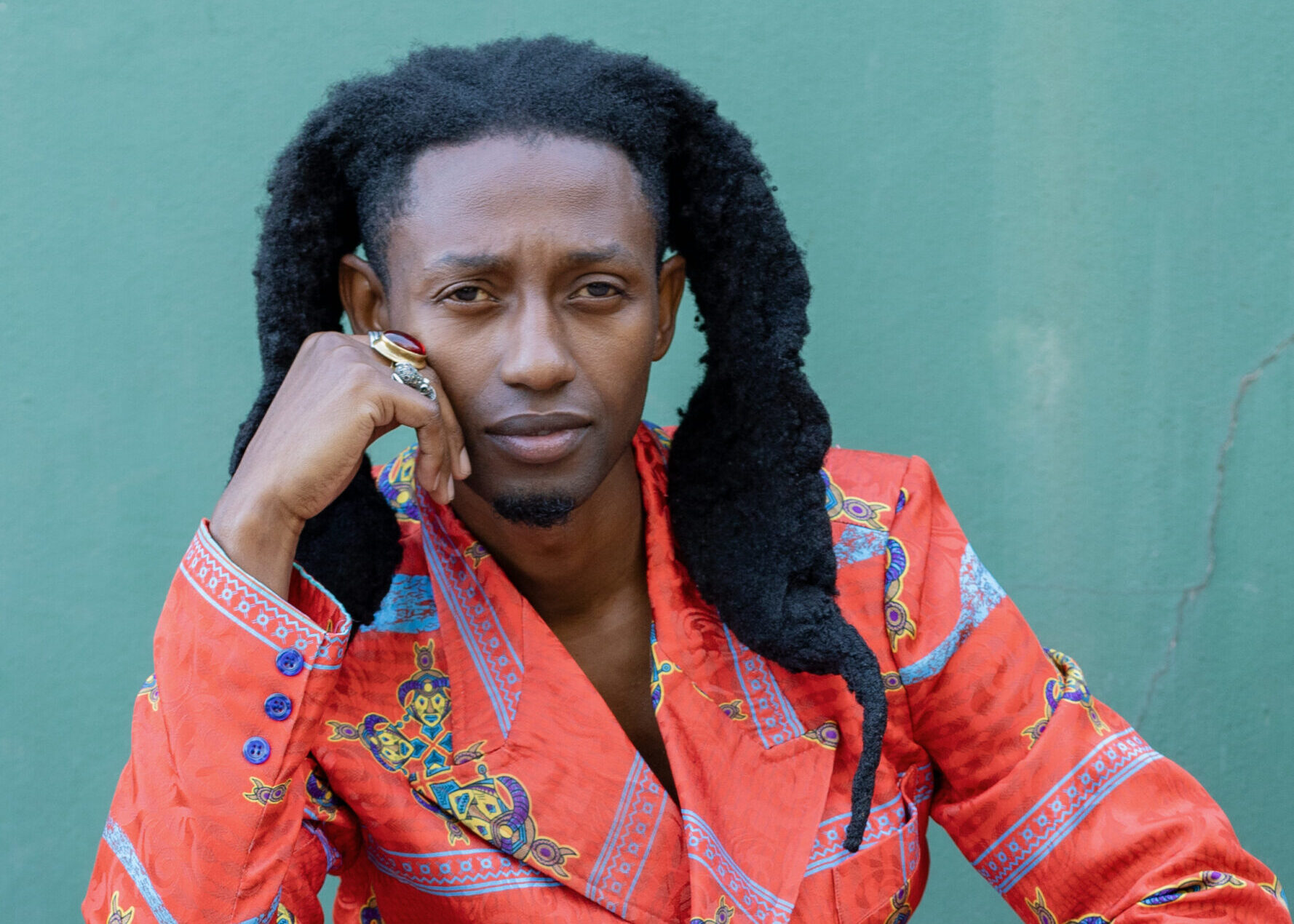
From Cape Town To New York, The Rwandan Designer Showing His Work At Angelina Jolie’s Atelier
Before building his Cape Town fashion label, Rwandan designer Nyambo Masamara worked in development finance and designed artwork for sweatshirts as a side hustle. When the sweatshirts sold, he worked as a tailor’s apprentice to learn about cut, fabric and fit. Now the founder of MASA MARA, he is showing his work in New …
More from FORBES.NG
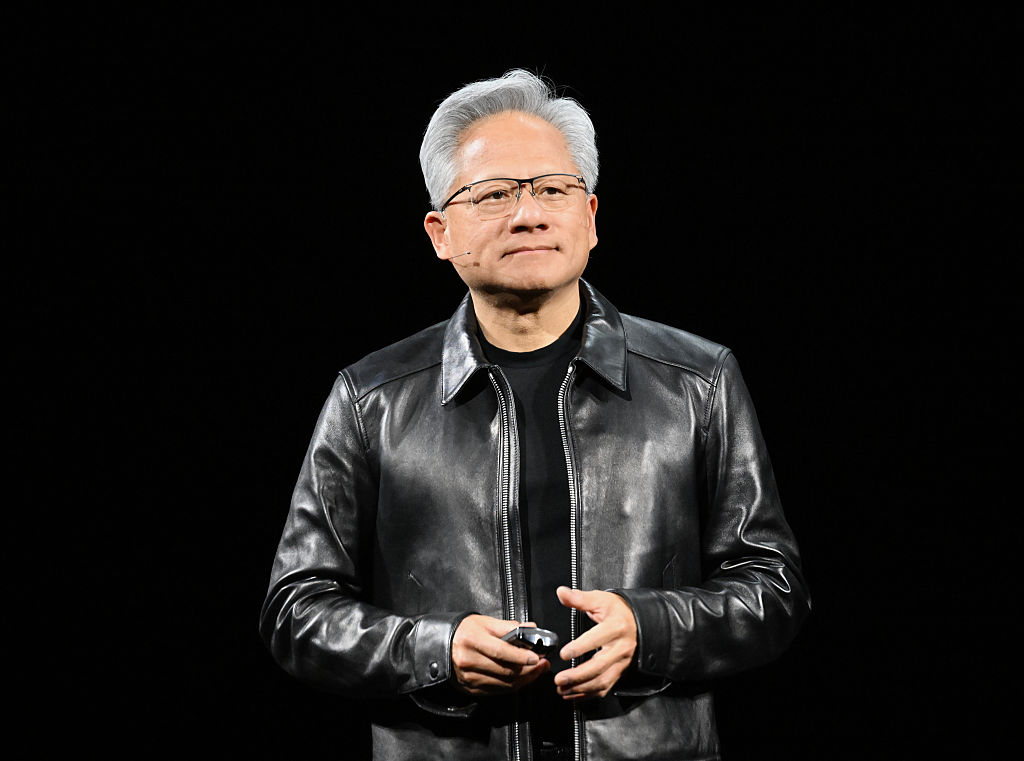
Jensen Huang Gains $33 Billion As Nvidia Stock Soars
Topline Jensen Huang gained $33 billion on Monday after he was reinstated as Nvidia CEO, pushing him up five spots in Forbes’ billionaire rankings to 13th richest person in the world, after the chipmaker’s stock recovered from its slump after he stepped down over an alleged Chinese spy scandal. This story was first published on …
‘Grand Theft Auto VI’ Passes $1.8 Billion In Revenue On Release Day—Eclipses ‘The Odyssey’s Box Office Total
Topline The highly anticipated “Grand Theft Auto VI” has already generated $1.84 billion in revenue as of release day, according to estimates by market research firm Sensor Tower, edging out the total worldwide box office gross of summer phenomenon “The Odyssey.” This story was first published by Forbes.com Key Facts “Grand Theft Auto VI” has …
Recommended

The Daily Brief