

South Africa Holds Interest Rates, But Only Just
Topline: Addressing national television over the policy rate for the last time this year, South African Reserve Bank (SARB) governor Lesetja Kganyago admitted that today’s level of inflation had been higher than expected at the start of the year. Key Facts: A Year Upended By War You can’t blame the reserve bank’s earlier optimism; after …
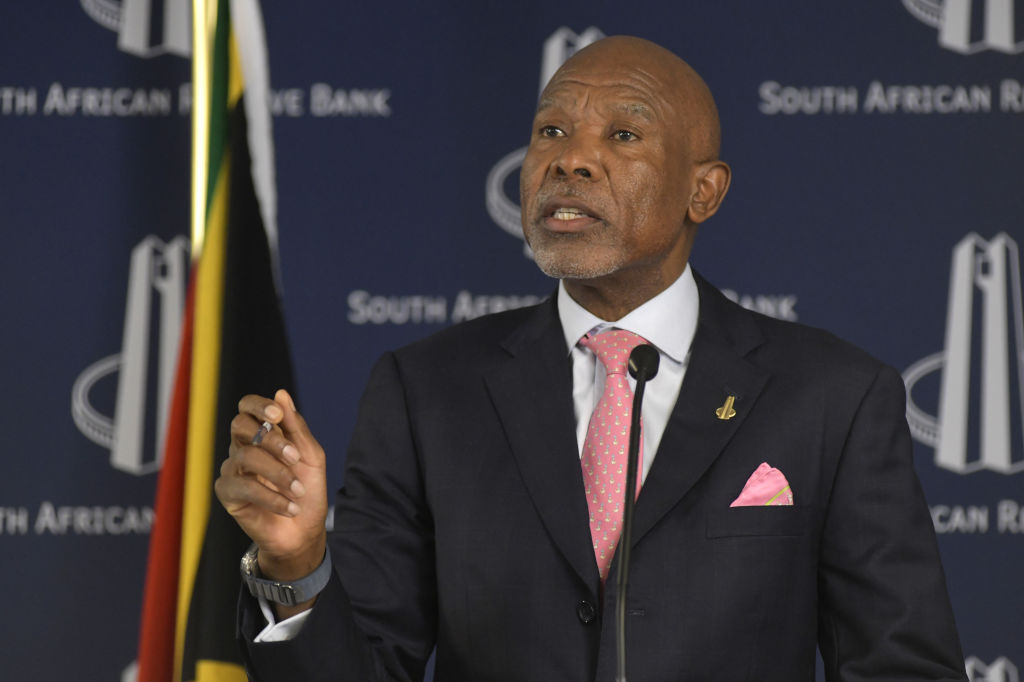
Topline: Addressing national television over the policy rate for the last time this year, South African Reserve Bank (SARB) governor Lesetja Kganyago admitted that today’s level of inflation had been higher than expected at the start of the year.
Key Facts:
- SARB kept the policy rate at 7.25% heading into the new year, though three of the seven members voted for a 25-basis-point hike.
- Inflation is expected to stay above 5% into early next year.
- Fuel inflation, which accounts for about a third of South Africa’s inflation, is running at roughly 40%, with petrol and diesel at record highs since the Middle East war began.
- Rising core inflation, the risk of an El Niño drought and a weaker Rand all tilt inflation risks upward.
- An economist expects this year’s rate hikes to keep weighing on the economy, though falling oil prices suggest disinflation is not far off.
A Year Upended By War
You can’t blame the reserve bank’s earlier optimism; after all, war had yet to break out in the Middle East, with oil prices tracking well below the triple-digit figures we have seen since it began.
“The war has obviously been a detriment to the South African economy,” Jee-A van der Linde, Oxford Economics Africa’s Senior Economist, tells FORBES AFRICA, adding: “It’s basically delaying the bank’s efforts to anchor inflation at their newly announced target (3%).”
The Global Picture
Before announcing that the interest rate would remain at 7.25% heading into the new year, Kganyago began his speech with a global frame. Perhaps it was to soften the blow that South Africans have faced in recent months—economic growth contracted in the second quarter (Q2) while unemployment rose in the next—but his points showed the country was not alone.
The Bank of England recently upped its policy rate for the first time since 2023, and while “global growth and trade have been resilient amid the AI boom,” Kganyago said, the valuations of major tech companies have dropped recently, suggesting the potential for rocky times ahead.
Meanwhile, “global interest rates seem to be resetting higher, with many currencies depreciating against a stronger dollar… In the coming months, markets anticipate further increases across major economies to deal with stubbornly high inflation,” he commented.
Fuel Keeps Inflation Elevated
For South Africa, the growth outlook remains broadly unchanged at around 1% this year, with near-term inflation remaining at over 5% as fuel inflation, responsible for around a third of the nation’s inflation, sits at roughly 40%.
Petrol and diesel prices have both reached record highs since the war in the Middle East erupted, and SARB expects the 5% inflation to persist into early next year before easing off. “The reason for this is that we will no longer be comparing to pre-war levels,” the governor explained.
Van der Linde believes we are yet to realize the full impact of the war, believing that the two unplanned rate hikes seen this year “will continue to filter through to the real economy.”
A One-Vote Hold
The decision to hold the policy rate came down to one vote, with three of the seven council members calling for an increase of 25 basis points. “We have paused for now but are mindful of risks and will not hesitate to raise rates if needed to return inflation to target,” Kganyago warned.
With rates determined on a “meeting-to-meeting” basis, the central bank is concerned about an upward trend in core inflation, which will need to be reversed for price setters to meet its 3% inflation target.
Risks Skewed Upward
There is also the current threat of El Niño, amplified by the Western Cape’s recent water restrictions. Dry conditions could affect next year’s yields and send food prices rising. Overall, “inflation risks are assessed to the upside,” perhaps influenced by the Rand’s depreciation against the dollar and the country’s vulnerability to the global energy crisis.
“Generally speaking, the consensus is for oil prices to decline heading into next year, and they’ve already receded. So, from that perspective, I think one can sense that the disinflationary forces are not too far out,” van der Linde notes.
The Daily Brief
Get the daily FORBES.NG briefing.
Comments (0)
Sign in to join the conversation.
Related Stories
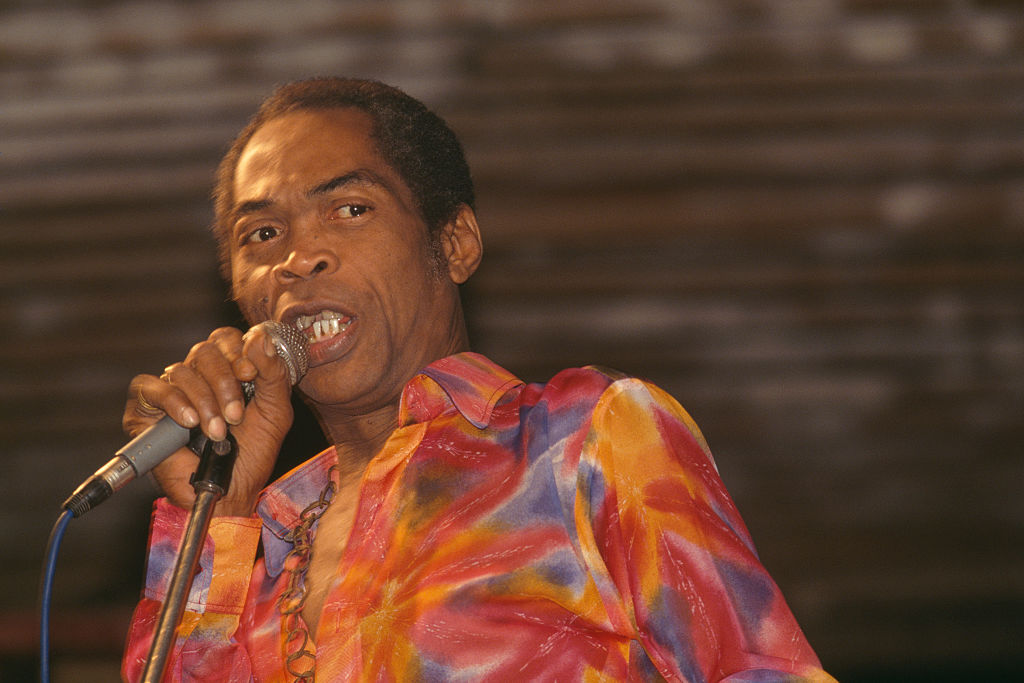
Nigerian Afrobeat Pioneer Fela Kuti Remembered With Historic Award
Nigerian Afrobeat pioneer Fela Kuti was recently formally inducted into the Rock & Roll Hall of Fame, receiving the early influence award in recognition of his contribution to music and his lasting impact on rock and popular culture. The award honors artistes whose music and performance styles have directly influenced, inspired and helped shape the …

‘Grand Theft Auto VI’ Passes $1.8 Billion In Revenue On Release Day—Eclipses ‘The Odyssey’s Box Office Total
Topline The highly anticipated “Grand Theft Auto VI” has already generated $1.84 billion in revenue as of release day, according to estimates by market research firm Sensor Tower, edging out the total worldwide box office gross of summer phenomenon “The Odyssey.” This story was first published by Forbes.com Key Facts “Grand Theft Auto VI” has …
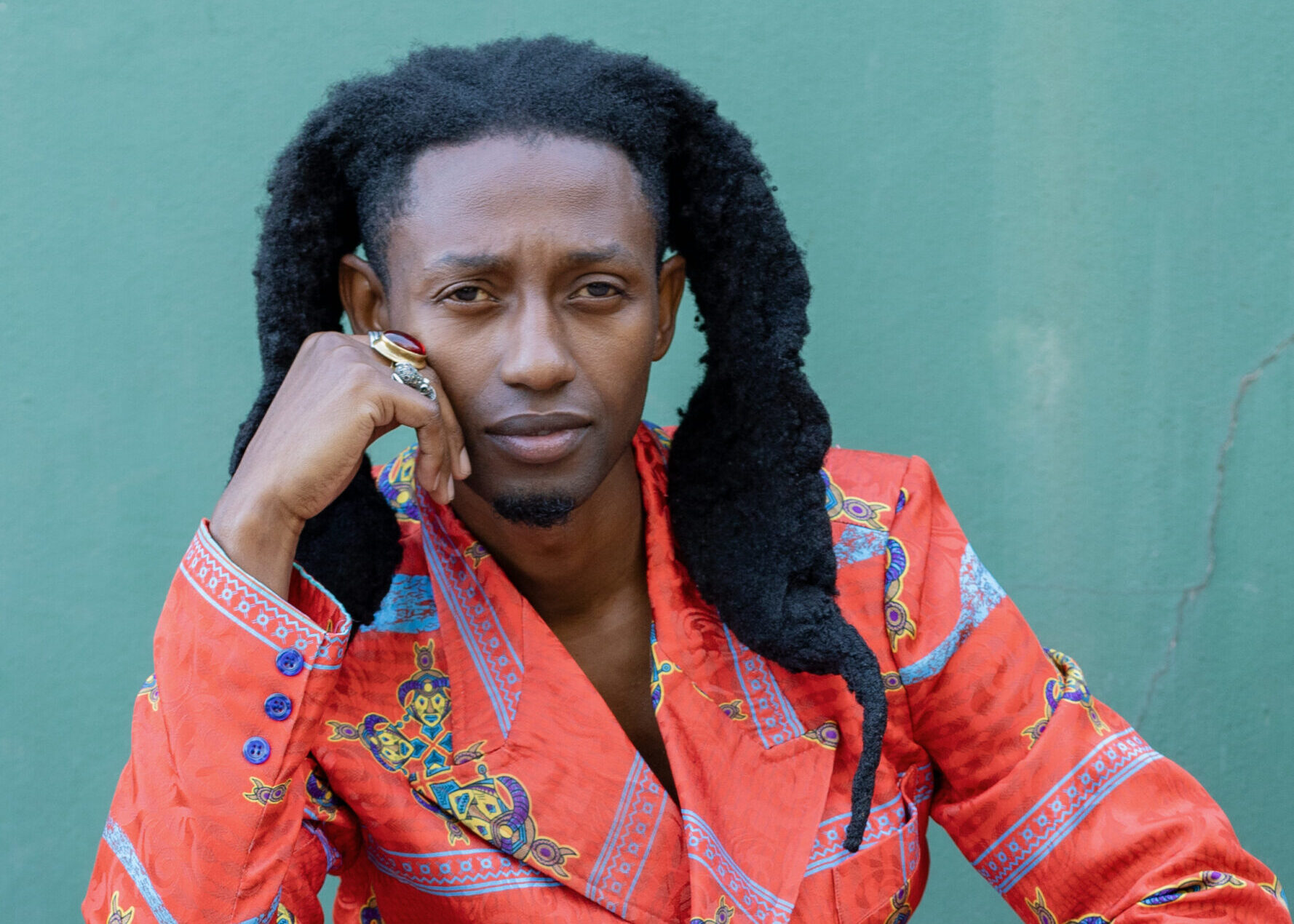
From Cape Town To New York, The Rwandan Designer Showing His Work At Angelina Jolie’s Atelier
Before building his Cape Town fashion label, Rwandan designer Nyambo Masamara worked in development finance and designed artwork for sweatshirts as a side hustle. When the sweatshirts sold, he worked as a tailor’s apprentice to learn about cut, fabric and fit. Now the founder of MASA MARA, he is showing his work in New …
More from Freddie Hiney

‘Investors Should Be Excited’: Namibia Securities Exchange Turns Bullish
Over 1.8 million shares traded on the Namibia Securities Exchange (NSX) during the week ending November 13, reportedly translating to roughly $8 million in circulation, and a 116.2% rise from the previous week’s $3.7 million, beating it by 137 deals, to 105. Finance did the bulk of the heavy lifting, with the sector accounting …
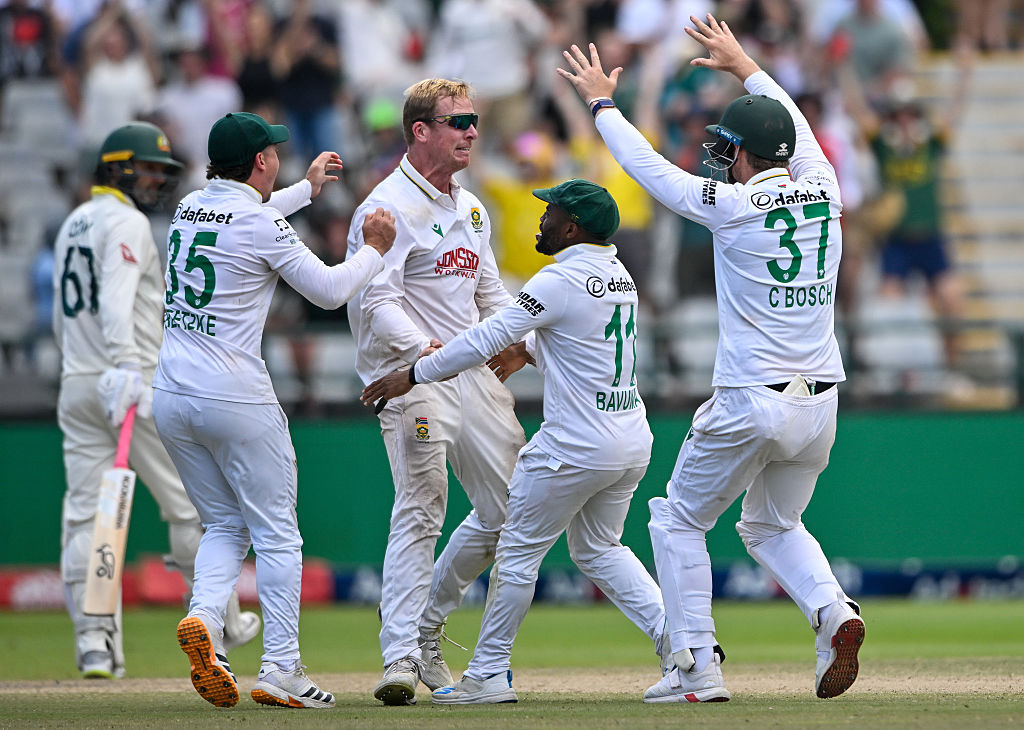
The Cape Town Test That Healed The South Africa-Australia Cricket Rivalry
There might have been nerves running through the veins of Australian cricketer, Steve Smith when the team’s tour of South Africa was announced for 2026. Flashbacks of March 2018 at Newlands Stadium surely rushed back, a day he would love to forget. It was day three of a five-day Test against South Africa. Nestled below …
South Africa’s Unemployment Crisis Climbs; Expert Shares Concerns, Solutions And Reality
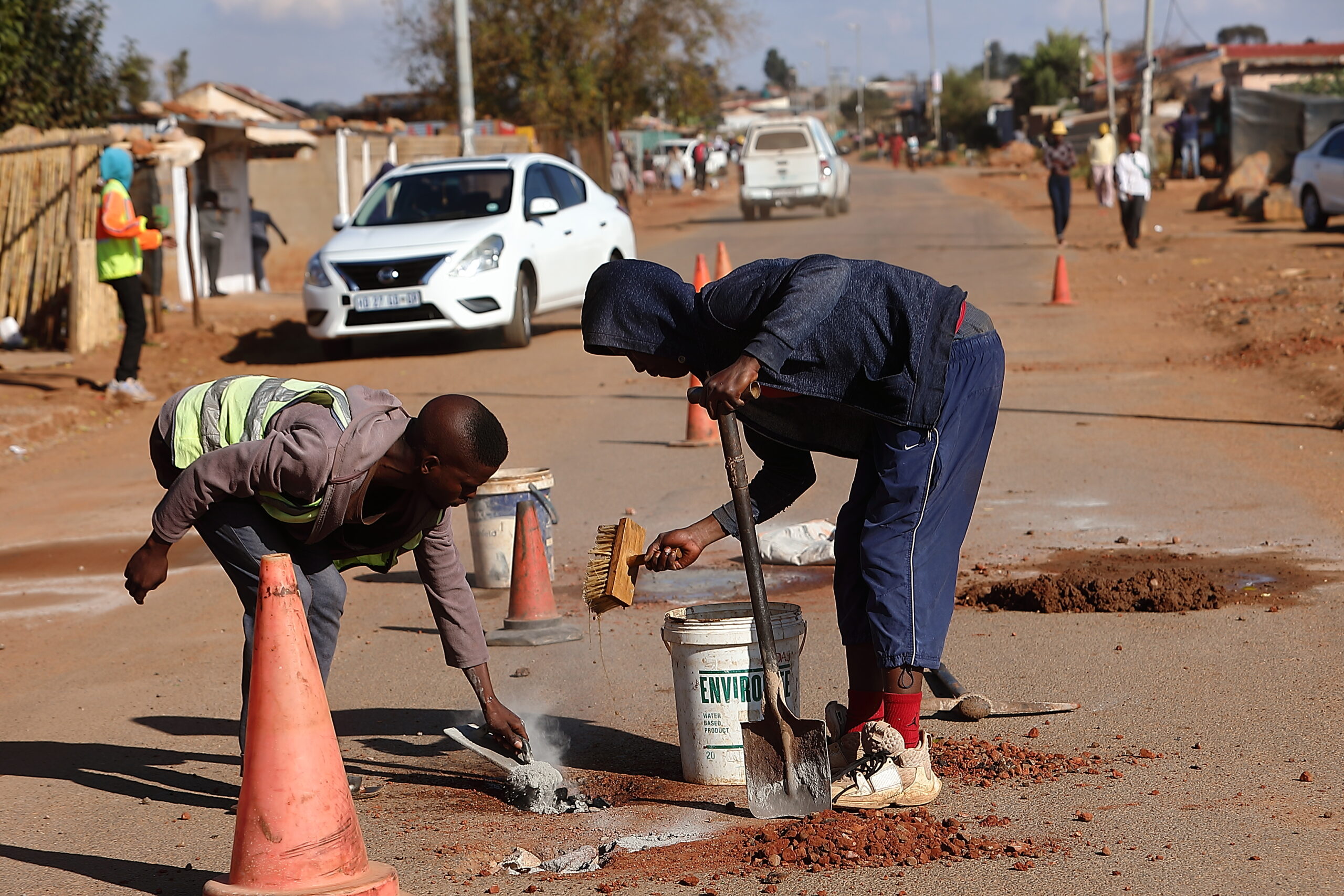
Topline: Another quarter, and the jobless crisis deepens in the southern African nation. Key Facts: Jobs Not Keeping Pace Sitting at an unsettling 33.6% in the second quarter (Q2) of this year, South Africa’s unemployment rate rose to 33.7% in Q3, according to the latest figures from Statistics South Africa. The painful irony is that …
Recommended

The Daily Brief