

The Man Powering The Future Of ‘Africa’s Generator Capital’
“Recent policy reforms have begun to level the playing field for cleaner alternatives.” When Abraham Mohammed talks about Nigeria’s power situation, he starts with the numbers. “Over 40% of the population, primarily in rural areas, remains unconnected to the national grid,” Mohammed notes to FORBES AFRICA. “Even where the grid exists, Nigeria’s centralized generation capacity […]

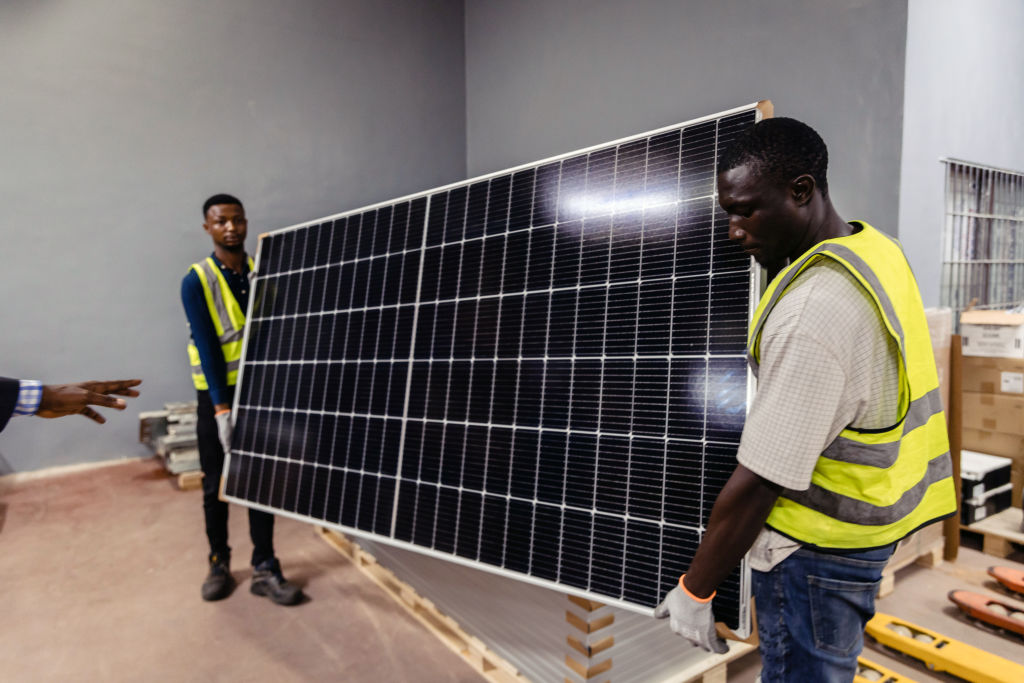
“Recent policy reforms have begun to level the playing field for cleaner alternatives.”
When Abraham Mohammed talks about Nigeria’s power situation, he starts with the numbers.
“Over 40% of the population, primarily in rural areas, remains unconnected to the national grid,” Mohammed notes to FORBES AFRICA.
“Even where the grid exists, Nigeria’s centralized generation capacity is woefully insufficient for a population exceeding 200 million, resulting in chronic unreliability.”
The result is a society where a significant number of businesses and households generate their own electricity, often at exorbitant costs, employing noisy diesel and petrol generators that belch fumes into the air.
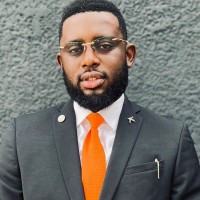
This, reportedly, has given Nigeria a moniker: the ‘generator capital of Africa’.
But Mohammed, the CEO and Co-Founder of solar and renewable energy startup Rana Energy, saw an opening in that view. His startup is among a new class of companies betting on a decentralized approach—solar mini-grids, standalone systems, and pay-as-you-go solar homes—rather than waiting for the country’s grid to catch up.
“The tide is turning,” he says. “Recent policy reforms, including the removal of fuel subsidies and the rationalization of grid tariffs, have begun to level the playing field for cleaner alternatives.”
Rana Energy stepped into this landscape, launching with a mission framed in an expansive term: seeing energy not just as a commodity, but as a service.
The company’s goal is to deploy 100 megawatts of solar systems across Africa by 2028, reaching households, clinics, and small businesses that have never known reliable power.
It is an ambition that resonates well beyond Nigeria. The International Energy Agency has called decentralized renewables the cheapest, fastest way to bring electricity to Africa’s 600 million people still living without it.
The future looks bright as development finance institutions and donor agencies, once wedded to large hydro or fossil projects, now look to funnel resources toward smaller, community-scale systems.
Comments (0)
Sign in to join the conversation.
Related Stories
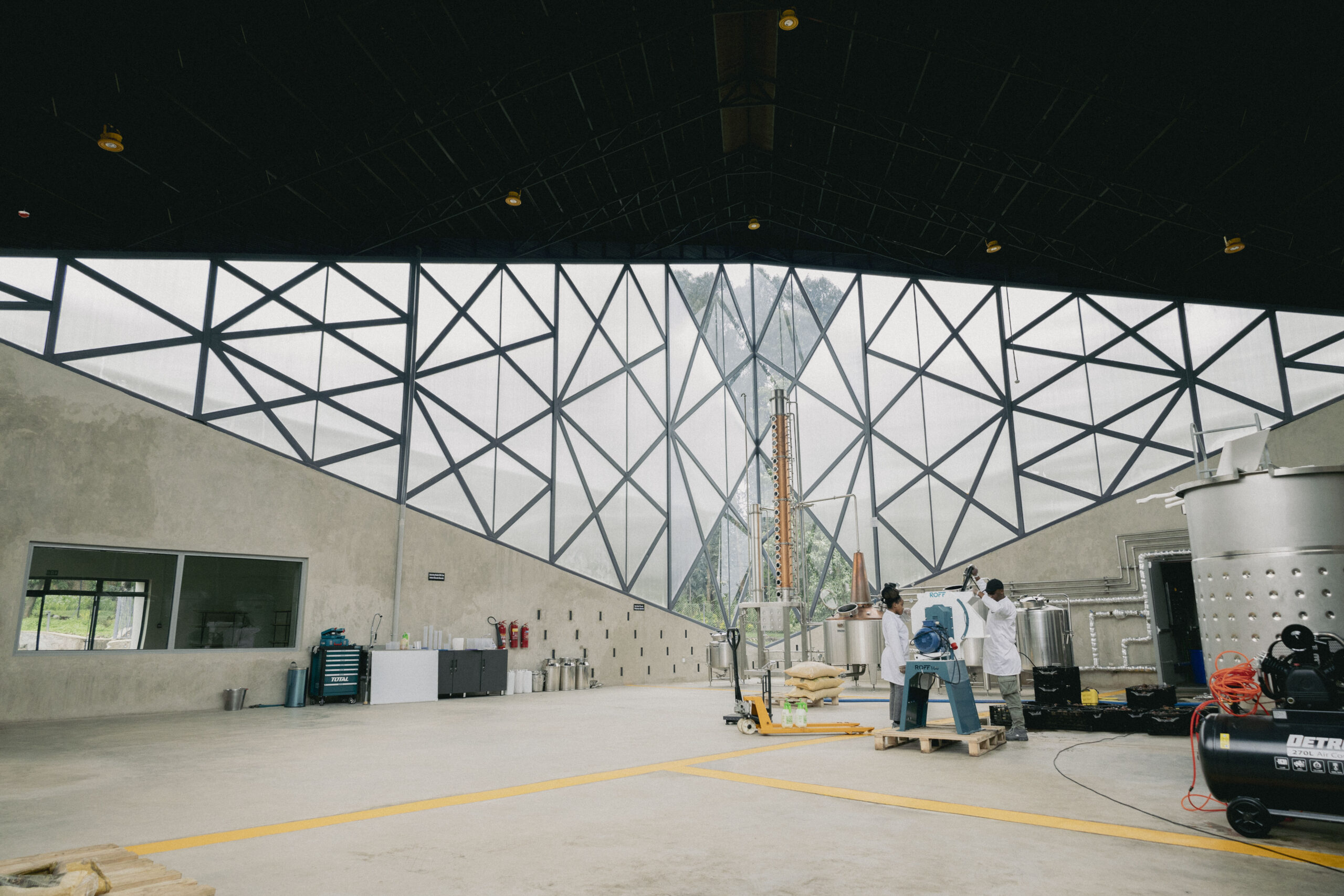
Spud To Spirit: The Rwandan Entrepreneur Turning The Humble Potato Into A Premium Drink
Entrepreneur Karen Sherman is transforming potatoes into premium vodka already earning global acclaim. Almost three hours away from the nation’s capital lies Musanze, Rwanda’s most mountainous district and home to much of the Volcanoes National Park. Known as a hassle-free yet vibrant town, Musanze offers a wide selection of restaurants, reliable access to ATMs, lively nightlife, bustling markets and artisanal […]
The AI Startup Focused On The Power Of Africa’s Voice
Dr Olubayo Adekanmbi, the CEO and Co-Founder of EqualyzAI, believes AI will only fully fulfill its potential if no one is left behind in the digital revolution. “The first thing is to speak to what problem we are solving. If AI is going to become the most disruptive technology, then everyone, everywhere, must have access,” he tells FORBES […]

From One Lagos Gym To 30 Locations In Nigeria: How Verod-Backed Fitness Firm Is Now Eyeing Accra And Abidjan
More than a decade since its establishment, Nigerian fitness chain i-Fitness is building a nationwide network of gyms while positioning itself as part of the West African nation’s emerging health and wellness infrastructure. “Since Verod acquired a 65% stake in i-Fitness in 2024, the company has expanded its branch network, strengthened its management structure and […]
Recommended




The Daily Brief