
FORBES.NG Video Series
Nigeria’s Export Growth and the Challenge of Manufacturing and Agricultural Exports
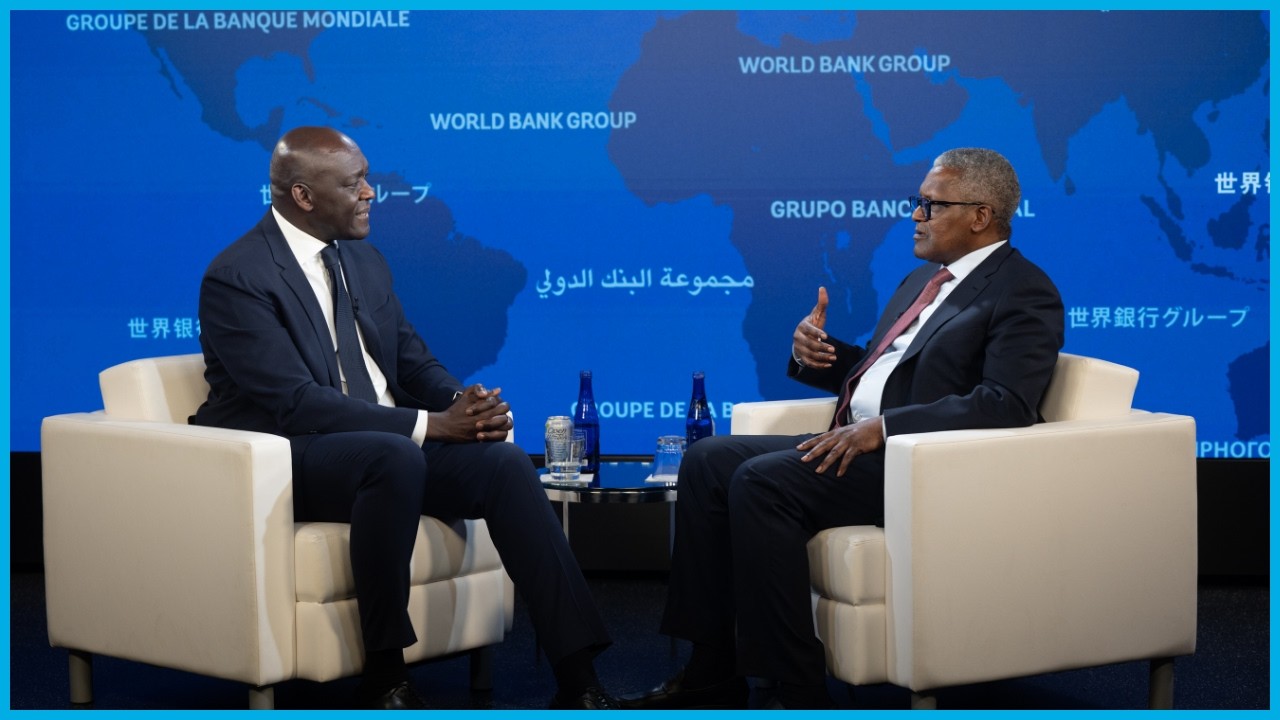
Arise News’ Global Business Report speaks with Patrick Ejumedia, head of research at Sterling Asset Management Trustees Limited, about Nigeria’s Q2 2026 trade-in-goods figures and the challenge of expanding manufactured and agricultural exports.
The Full Story
READ THE FULL ARTICLENigeria’s Q2 2026 Trade Data Shows Export Growth but Highlights Diversification Challenge
Nigeria’s Q2 2026 trade figures point to growth in crude oil and refined petroleum exports, while questions remain over the country’s ability to expand manufactured, agricultural and solid-mineral exports.
Nigeria’s latest trade-in-goods figures for the second quarter of 2026 show growth in exports, including increases in crude oil and refined petroleum shipments, while highlighting the challenge of broadening the country’s export base beyond primary commodities.
In an interview on Arise News’ Global Business Report, Patrick Ejumedia, head of research at Sterling Asset Management Trustees Limited, discussed the Q2 2026 trade figures and the gap between Nigeria’s overall trade performance and its manufacturing and agricultural export capacity.
Ejumedia has separately highlighted figures showing crude oil exports rose by 7.93% and refined petroleum exports increased by 34.08%. He also cited growth of 18.20% in oil-related exports and 22.46% in non-oil exports, pointing to signs of change in the composition of exports while stressing the need to develop more value-added production.
The central issue is whether Nigeria can move beyond exporting raw materials towards a larger share of manufactured and finished goods. Greater processing of agricultural products and solid minerals could help expand domestic value chains, create jobs and strengthen the country’s position in regional trade.
Agriculture and solid minerals remain important areas of potential. But turning that potential into stronger export performance requires investment in production, processing, infrastructure, standards and access to markets. The discussion also raises questions about how Nigeria can compete more effectively in intra-African trade under the African Continental Free Trade Area.
The Arise News interview provides context on the opportunities and constraints facing Nigeria’s export economy. The figures and policy questions discussed underscore why export diversification is about more than increasing the value of shipments: it also involves changing what the country produces and sells abroad.
Video: Arise News’ Global Business Report interview with Patrick Ejumedia, published on YouTube on September 8, 2026.
Sources: Arise News; Patrick Ejumedia’s public commentary on Nigeria’s Q2 2026 trade-in-goods data.
More Video Series

South Africa Investment Conference 2026: Investing in Growth and Jobs

Why Africa, Why Now: Global Investors Assess the Continent’s Growth Potential

Financing Africa’s Next Chapter: Capital, Infrastructure and Regional Growth

Bloomberg Next Africa: 25 Startups to Watch and Moniepoint’s Fintech Story