

From Architecture To Artificial Intelligence: How Ewe Chinedum Evans Is Exploring A New Frontier For African Innovation
Architect, creative entrepreneur and author Ewe Chinedum Evans is connecting architecture, artificial intelligence, art and community development through a growing portfolio of creative and technology-led initiatives.

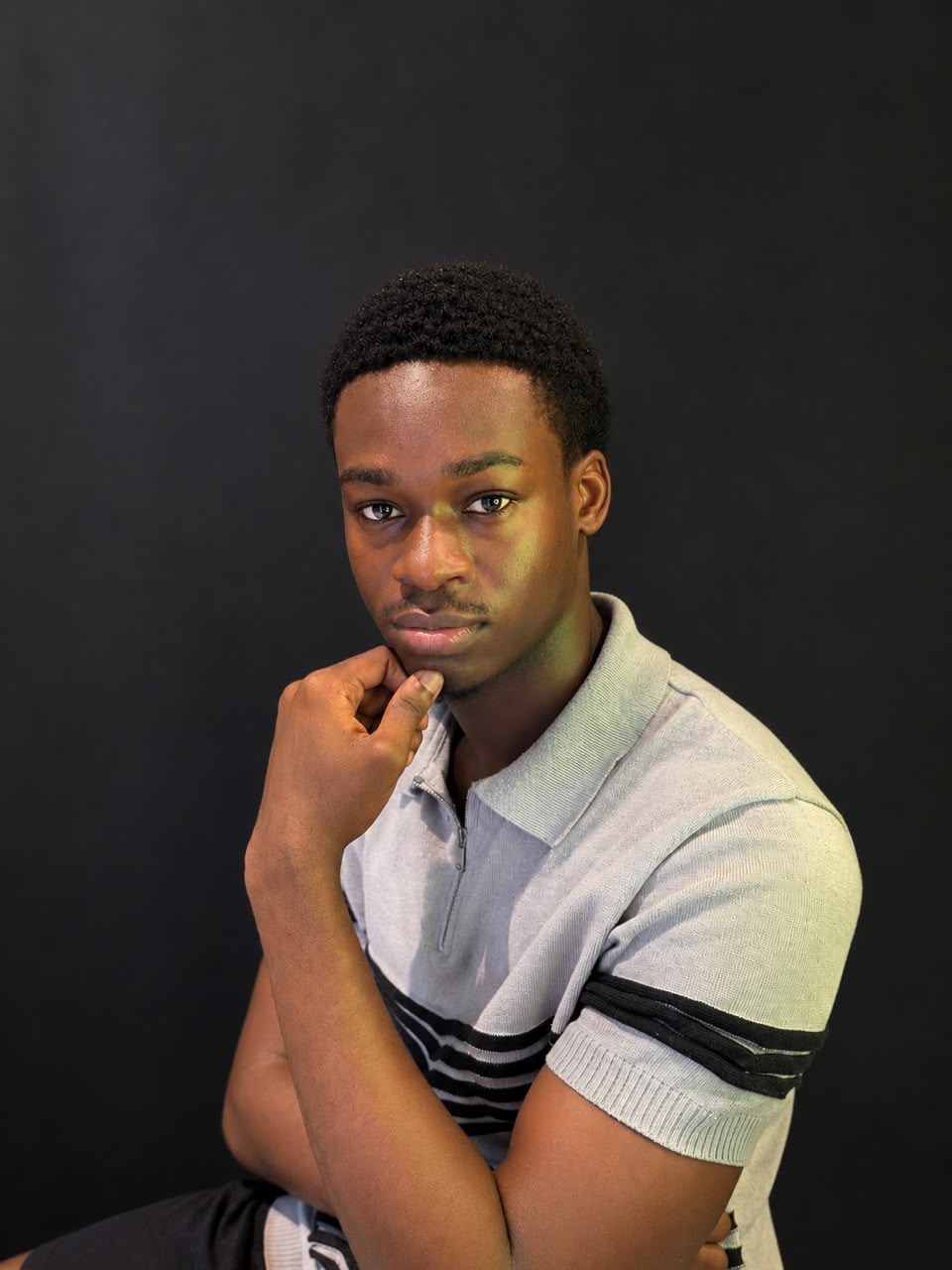
Across Africa, the relationship between creativity, technology and sustainable development is becoming increasingly important. As societies confront challenges in infrastructure, education, cultural preservation and economic opportunity, there is a growing need for people who can connect ideas across disciplines and turn them into practical solutions.
Architect, creative entrepreneur, author and multidisciplinary innovator Ewe Chinedum Evans is exploring this intersection through architecture, artificial intelligence, art, research and social enterprise.
Born in April 2003 in Port Harcourt, Nigeria, Evans has developed an approach to creativity and innovation that connects his architectural background with entrepreneurship, technology and community development. As founder and creative director of Art In Heart Gallery Ltd, he approaches creativity as more than artistic expression: it is also a resource for identifying problems, developing solutions and creating social value.

From creative curiosity to architectural thinking
Evans’s interests sit at the intersection of architecture, creative thinking and emerging technology. His architectural background provides a foundation for exploring how spaces are designed, how people interact with their environments and how innovation can respond to practical human needs.
His learning has extended into artificial intelligence and architectural design. He participated in Delft University of Technology’s online course, AI in Architectural Design: Introduction, and his learning experience was featured on the university’s Learning for Life platform.
That engagement reflects an interest in how artificial intelligence can support the design process and expand the possibilities available to architects and other creative professionals. Rather than viewing AI simply as a threat to human creativity, Evans sees it as a tool that can assist creative thinking, refine processes and help people explore possibilities that might otherwise remain undiscovered. His approach is rooted in the belief that technology should strengthen human ingenuity rather than replace it.
Art In Heart Gallery: turning creativity into social value
In 2020, Evans established Art In Heart Gallery after an unsuccessful attempt to organise a student art exhibition. Rather than allowing that experience to end his ambitions, he used it as an opportunity to rethink how creative people could connect with audiences, opportunities and the wider community.
Art In Heart Gallery Ltd developed from that vision into a creative social enterprise built around art, innovation, community engagement and value creation. For Evans, the gallery represents more than a platform for displaying artworks. It is an opportunity to explore how creativity can contribute to everyday life, support emerging talent and address social needs.
One example was the organisation’s creative outreach programme at Kuchinguro Internally Displaced Persons (IDP) Camp in Abuja on July 30, 2025. Activities included art and craft, tie-dye, sketching and painting. Chess boards and other board games were also used to encourage creative thinking and develop participants’ cognitive skills. According to Evans, the activities reached more than 200 people at the camp.
The programme introduced participants to creative activities intended to encourage self-expression, confidence and practical skill development. It also illustrated how artistic engagement and recreational learning can become means of community connection and empowerment. Evans’s wider ambition is to build a creative enterprise that connects artistic ability with entrepreneurship and social impact.

AfaSense and a more intelligent built environment
One initiative through which Evans is exploring the relationship between architecture and artificial intelligence is AfaSense, an AI-enabled building intelligence and predictive maintenance initiative. Described as operational and deployed, it reflects his interest in moving beyond conventional approaches to building management towards more intelligent ways of understanding and maintaining the built environment.
The concept is to give buildings what might be described as a nervous system: an intelligent layer that can support awareness of building conditions and contribute to more informed maintenance decisions. This is relevant in environments where infrastructure reliability, maintenance planning and building performance are important concerns.
For Evans, the future of architecture cannot be limited to the design and construction of buildings. It must also consider how buildings function over time, how they are maintained and how technology can contribute to their continued performance. AfaSense represents an expression of this thinking, bringing architectural knowledge and artificial intelligence into a practical area of infrastructure innovation.
Art-hitecture and Vibrational Architecture Theory
Evans’s interest in the built environment extends beyond conventional architectural practice. Through the idea of Art-hitecture, he explores the relationship between art, architecture and technology, considering how these disciplines can work together to create solutions that respond to human and environmental needs.
Another part of his intellectual and creative work is Vibrational Architecture Theory. Evans has published a book on the subject, The Vibration Architecture Theory, while continuing to develop the framework. The theory explores how built and unbuilt environments may influence human experience, including the ways people relate to their surroundings physically, emotionally and psychologically.
It reflects an interest in the relationship between people and the spaces they inhabit, and encourages consideration of architecture not merely as the arrangement of physical structures but also as an influence on human experience. Alongside this exploration, Evans has a foldable housing project in development, reflecting his interest in alternative approaches to housing and the possibilities of rethinking how living spaces can be designed.
Quantum Arts Lab: where art and science meet
Evans’s multidisciplinary interests also extend into the proposed Quantum Arts Lab, an initiative envisioned as a space for exploring connections between art, science, technology and creative experimentation.
The idea reflects his belief that the future of creativity will increasingly involve collaboration across disciplines that have traditionally been treated separately. In February 2026, The Guardian Nigeria reported on his vision for the initiative, including preliminary development activities and the planning of an experimental installation.
The Quantum Arts Lab remains at an early stage of development, with an ambition to create opportunities for research, experimentation, learning and interdisciplinary exchange. Its proposed direction reflects Evans’s interest in exploring how scientific ideas and artistic imagination can meet to generate new perspectives on innovation.
Writing, research and the philosophy of creative rebirth
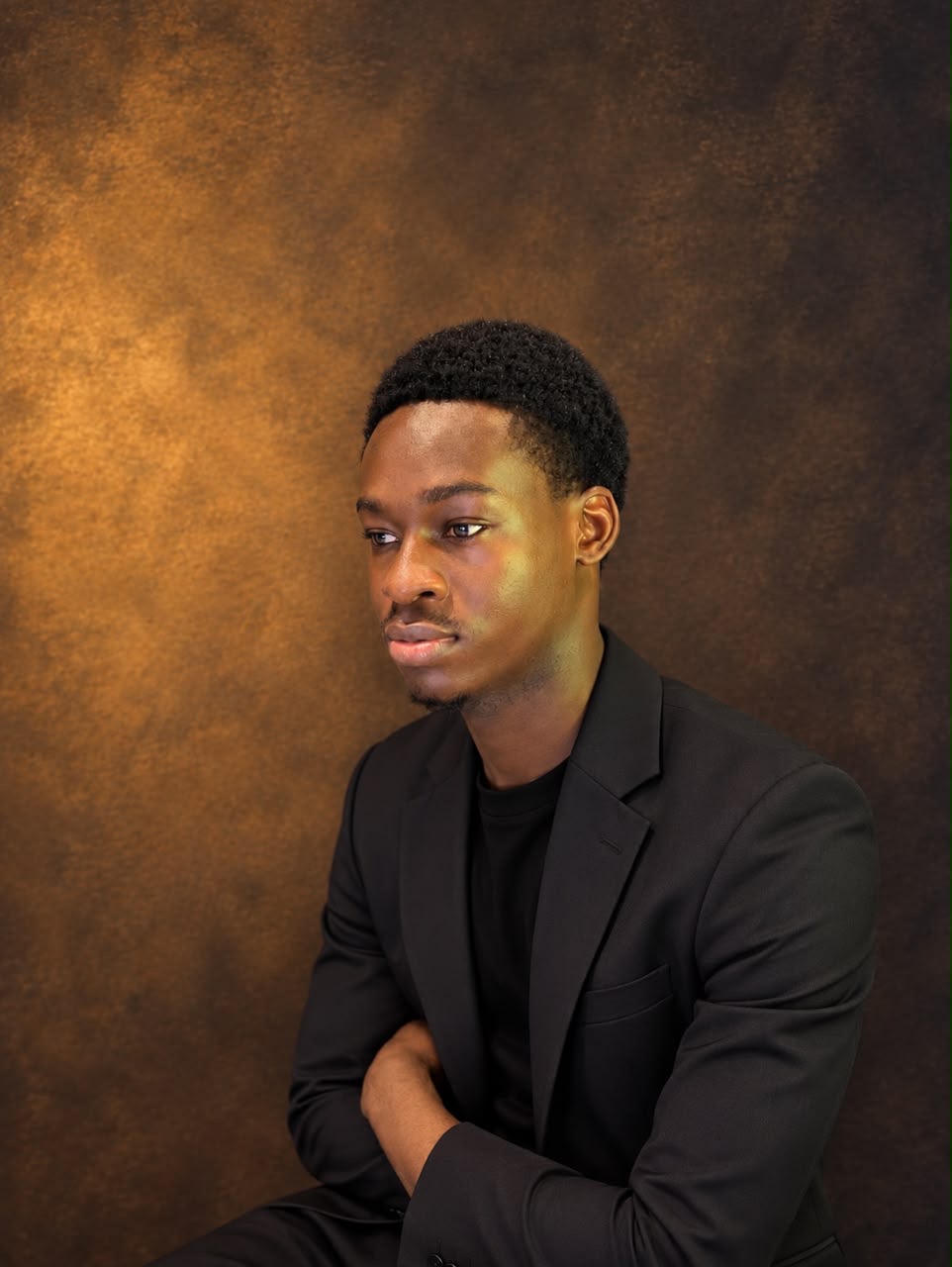
Evans’s ideas about creativity, faith and transformation are also expressed through his writing. He is the author of The Creative Rebirth, The Creative Decay and The Vibration Architecture. These works reflect different dimensions of his interests in creativity, human potential, architecture and transformation.
In The Creative Rebirth: The Intersection of Art, Creativity, and Faith, he presents creativity as more than a professional skill or artistic activity. He explores the idea of a creative essence within human beings and the role of inspiration in helping people discover and express their capacity to create.
His stated philosophy is grounded in faith, reflected in his declaration: “God is the Only Inspiration of My Life!!” For Evans, creative rebirth involves moving beyond the pursuit of financial gain alone and recognising the importance of adding value to the world. He believes creatives should be seen not only as makers of artistic objects but also as solution providers capable of contributing to society in different fields.
His academic interests connect with this philosophy. His Doctor of Business Administration research is titled Transformational Leadership in Nigerian Creative Social Enterprises: A Case Study of Art In Heart Gallery Driving Sustainable Community Development. The research examines how transformational leadership within a Nigerian creative social enterprise can contribute to sustainable community development, using Art In Heart Gallery as its case study.
An important dimension of the research is its engagement with African philosophical and cultural principles, particularly Ubuntu and Omoluabi. These concepts inform his exploration of leadership, human relationships, shared responsibility, character and the role of values in building organisations that serve their communities.
Recognition and public engagement
Evans’s work and leadership have received recognition from international platforms. He received the Global Icon of Impact recognition from The Enterprise World. The publication also identified him with the designation “The Most Influential Leader Shaping the Future of Sustainable Architecture – 2026.”
Separately, Art In Heart Gallery Ltd received the 2026 Global Recognition Award from Global Recognition Awards, USA. The award was conferred on the organisation, which Evans founded, rather than on him as an individual.
Another milestone in his public engagement was his TEDxBazeUniversity presentation in 2023, through which he shared ideas about art, creativity and leadership. His participation in these platforms forms part of an effort to contribute to conversations about the role of creativity in leadership, sustainable development and the future of African innovation.
African identity, culture and the creative economy
Evans’s thinking about innovation is also connected to questions of African identity and cultural expression. In a November 2026 interview with New Telegraph, titled “Art Is the Foundation of Culture: Ewe Evans on Creativity, Tradition, African Unity,” he discussed the relationship between art, cultural identity, tradition and African unity.
His position reflects a belief that creativity is central to how societies preserve their histories, communicate their values and imagine their futures. For him, the African creative economy should not be understood only through entertainment or the commercial art market. It also includes the capacity to use creative thinking in architecture, technology, education, entrepreneurship and community development.
This perspective encourages a broader understanding of the creative professional: not simply as someone who produces art, but as someone who can translate imagination into ideas, systems and solutions.
Connecting creativity, technology and human purpose
The different areas of Evans’s work point towards a continuing effort to connect creative thinking with practical innovation. Through Art In Heart Gallery, he is exploring the role of creative enterprise in community development. Through AfaSense, he is applying artificial intelligence to the built environment. Through Art-hitecture and Vibrational Architecture Theory, he is examining wider relationships between architecture, technology and human experience. Through the proposed Quantum Arts Lab, he is exploring opportunities for interdisciplinary experimentation.
These are distinct areas of work, but they share a common interest in expanding the possibilities of creativity. His approach raises a question for Africa’s future: how can the continent use its creative resources, technological capabilities and cultural knowledge to develop solutions that respond to its own challenges?
For Evans, the answer begins with recognising that creativity is not confined to one profession or industry. It is a human capacity that can be applied wherever there is a need to imagine, build, improve or transform.
Beyond the boundaries of a single discipline
Ewe Chinedum Evans’s journey reflects an expanding understanding of what it means to be an architect and creative entrepreneur in a period of rapid technological change. His work moves across architecture, artificial intelligence, art, writing, research and community development. Rather than treating these interests as unrelated pursuits, he approaches them as connected expressions of a broader commitment to innovation and human value.
From building a creative social enterprise to developing an AI-enabled building intelligence initiative, his work reflects an effort to move ideas beyond theory and into practical application. His philosophy of creative rebirth offers a central thread connecting these pursuits: creativity should not exist only for personal recognition or financial reward. It should also add value, address challenges and contribute to the transformation of society.
As Africa continues to explore its place in the global innovation landscape, Evans’s multidisciplinary approach offers one perspective on how creativity, technology and cultural identity can work together to shape new possibilities.
The Daily Brief
Get the daily FORBES.NG briefing.
Comments (0)
Sign in to join the conversation.
Related Stories
South Africa Launches $5.9 Million AI Start-up Initiative, Professor Underlines Requirements
As far as artificial intelligence (AI) ecosystems go, Silicon Valley is the world’s undisputed mecca. Home to many of the world’s largest AI companies, including Anthropic and OpenAI, Ramaphosa arrived in California with hopes of investment and to “learn from countries and institutions at the forefront of AI development”, the Presidency wrote on November 14. …

NCC Warns Nigerians of Active Hacking Scam Targeting Device Verification Portal
The Nigerian Communications Commission’s response team says fraudsters are impersonating its device-verification portal to steal personal information, one-time passwords and payments, warning the public to use only official channels.
More from FORBES.NG
Adeleke Begins Second Term as Osun Governor, Pledges Industrialisation and Digital Economy Push
Sworn in on November 27, Ademola Adeleke says his administration will prioritise infrastructure, agriculture, tourism, job creation and citizens’ welfare during his next four years in office.

NAFDAC Shuts Abuja’s Zuba International Market After Seizing Fake Products Worth Over ₦300 Million
The regulator says more than 160 shops were screened during a joint enforcement operation with the police and DSS, which uncovered counterfeit and unwholesome products valued at over ₦300 million.

Nigeria Hits $1 Billion Monthly Diaspora Remittance Target, CBN Sets $1.5 Billion Goal
Central Bank Governor Olayemi Cardoso says formal diaspora remittance inflows have reached $1 billion a month, with the bank now targeting $1.5 billion by the end of the first half of 2027.
Recommended
Adeleke Begins Second Term as Osun Governor, Pledges Industrialisation and Digital Economy Push
NAFDAC Shuts Abuja’s Zuba International Market After Seizing Fake Products Worth Over ₦300 Million
Nigeria Hits $1 Billion Monthly Diaspora Remittance Target, CBN Sets $1.5 Billion Goal

33.5 Million Nigerians Could Face Acute Food Insecurity in 2027, Cadre Harmonisé Warns
The Daily Brief