

33.5 Million Nigerians Could Face Acute Food Insecurity in 2027, Cadre Harmonisé Warns
A regional food-security assessment projects that 33.5 million people in 26 states and the Federal Capital Territory could face crisis-level food insecurity or worse during the June–August 2027 lean season.

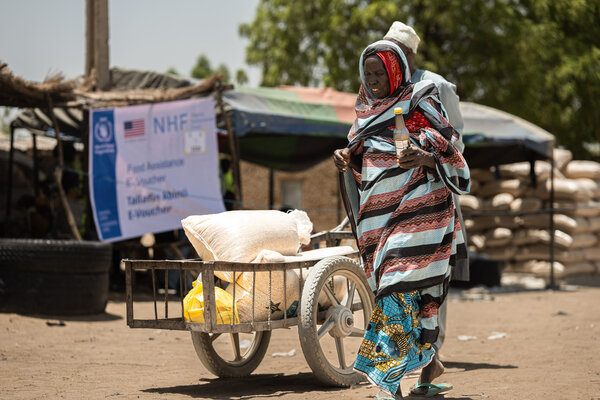
An estimated 33.5 million people in Nigeria could face acute food insecurity during the June-to-August 2027 lean season, according to the October 2026 Cadre Harmonisé food and nutrition insecurity analysis.
The projection covers 26 states and the Federal Capital Territory (FCT), and includes internally displaced people among communities facing heightened vulnerability. The assessment places the projected figure at 14.9 per cent of the national population used in its analysis.
Current conditions already affect millions
The same analysis estimates that 26.8 million people are experiencing crisis-level food insecurity or worse between October and December 2026. The projected increase to 33.5 million for June–August 2027 highlights the seasonal pressure expected during the next lean period.
The figures are classifications of acute food insecurity, not a prediction that every person counted will experience the same level of hunger. The assessment groups affected populations by severity and identifies areas requiring attention from government and humanitarian partners.
Displacement and insecurity compound the challenge
Internally displaced populations in parts of the north-east and north-west remain among the groups facing serious risks. The analysis identifies insecurity and displacement alongside climate-related shocks, economic pressure and difficulties accessing food as factors shaping the outlook.
For households, a food-security crisis can mean reduced meal frequency, lower dietary quality and difficult choices between food, healthcare, education and other essential expenses. For farmers and local markets, insecurity and climate shocks can disrupt production, transport and access to livelihoods.
Response will require early action
The projected scale of need places emphasis on early, coordinated action. Relevant priorities include protecting agricultural livelihoods, supporting vulnerable households, improving access to nutritious food, strengthening local food systems and ensuring humanitarian assistance reaches communities facing the most severe conditions.
The Cadre Harmonisé analysis provides a planning basis for governments, development partners and humanitarian agencies. Its projections also underline the importance of tracking conditions as the 2027 lean season approaches, since food-security outcomes can change with harvests, prices, conflict and the reach of assistance.
Sources: October 2026 Nigeria Cadre Harmonisé analysis; The Nation report; Cadre Harmonisé national results presentation.
The Daily Brief
Get the daily FORBES.NG briefing.
Comments (0)
Sign in to join the conversation.
Related Stories

NAFDAC Shuts Abuja’s Zuba International Market After Seizing Fake Products Worth Over ₦300 Million
The regulator says more than 160 shops were screened during a joint enforcement operation with the police and DSS, which uncovered counterfeit and unwholesome products valued at over ₦300 million.

Nigeria Hits $1 Billion Monthly Diaspora Remittance Target, CBN Sets $1.5 Billion Goal
Central Bank Governor Olayemi Cardoso says formal diaspora remittance inflows have reached $1 billion a month, with the bank now targeting $1.5 billion by the end of the first half of 2027.

SpaceX Shares Soar As Musk Vows To Expand Stock Giveaway—Pledges A Share To Every Child Each Year
Topline SpaceX’s shares soared in premarket trading early Friday after the world’s richest person, Elon Musk, pledged to personally donate a share of his space and artificial intelligence company to every American child each year, building on a combined stock giveaway worth nearly $18 billion announced by him and his company earlier this week. This …
More from FORBES.NG

Adeleke Begins Second Term as Osun Governor, Pledges Industrialisation and Digital Economy Push
Sworn in on November 27, Ademola Adeleke says his administration will prioritise infrastructure, agriculture, tourism, job creation and citizens’ welfare during his next four years in office.
NAFDAC Shuts Abuja’s Zuba International Market After Seizing Fake Products Worth Over ₦300 Million
The regulator says more than 160 shops were screened during a joint enforcement operation with the police and DSS, which uncovered counterfeit and unwholesome products valued at over ₦300 million.
Nigeria Hits $1 Billion Monthly Diaspora Remittance Target, CBN Sets $1.5 Billion Goal
Central Bank Governor Olayemi Cardoso says formal diaspora remittance inflows have reached $1 billion a month, with the bank now targeting $1.5 billion by the end of the first half of 2027.
Recommended
Adeleke Begins Second Term as Osun Governor, Pledges Industrialisation and Digital Economy Push
INEC Reports Smooth BVAS Test in Lagos as Nationwide Mock Exercise Tests 2027 Election Readiness

From Architecture To Artificial Intelligence: How Ewe Chinedum Evans Is Exploring A New Frontier For African Innovation

‘It Opens The Door For Others’: An Exclusive With Ghana’s Two Musicians On Joint 2027 Grammy Nomination
The Daily Brief