

‘It Opens The Door For Others’: An Exclusive With Ghana’s Two Musicians On Joint 2027 Grammy Nomination
For Albert Apoozore, better known as King Ayisoba, the Grammy spotlight is an opportunity to introduce the world to the rich musical traditions of northern Ghana. The Ghanaian musician, whose kologo instrument has become the signature of his sound, has earned his first Grammy nomination alongside fellow Ghanaian artiste Rocky Dawuni. Their collaboration, No Tradition, …
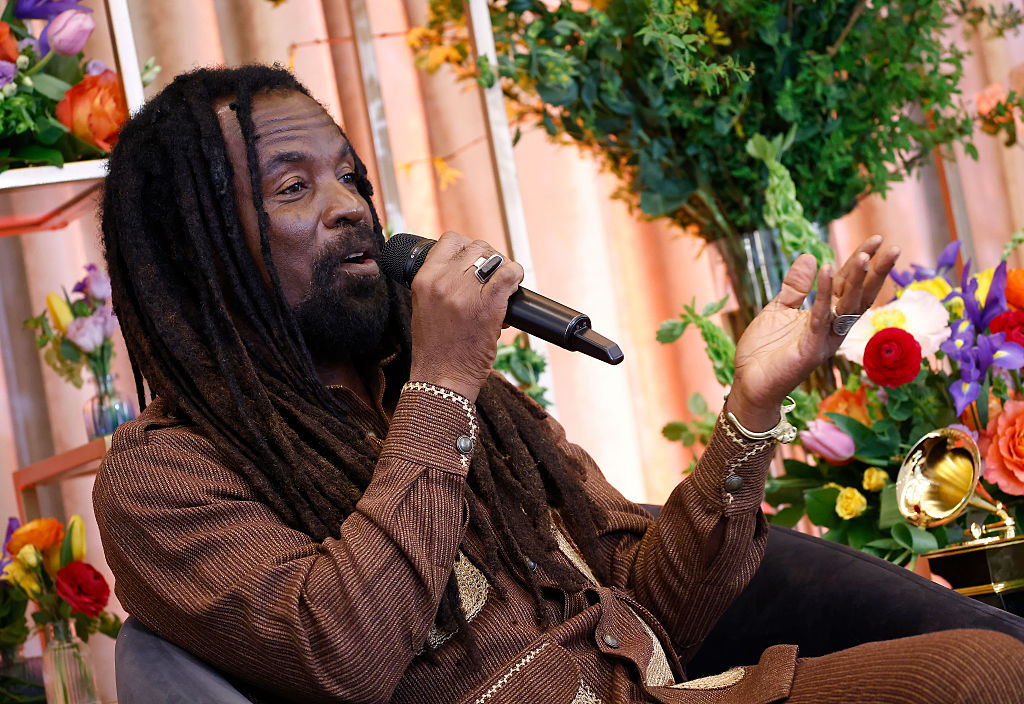
For Albert Apoozore, better known as King Ayisoba, the Grammy spotlight is an opportunity to introduce the world to the rich musical traditions of northern Ghana.
The Ghanaian musician, whose kologo instrument has become the signature of his sound, has earned his first Grammy nomination alongside fellow Ghanaian artiste Rocky Dawuni. Their collaboration, No Tradition, No Africa, featured on Apoozore’s seventh studio album, Pure Confusion, is nominated for Best African Music Performance.
For Dawuni, the recognition marks his fifth Grammy nomination, extending an international journey that began in 2016 with a nod for Best Reggae Album for Branches Of The Same Tree.
But for both musicians, the nomination represents a declaration that African music’s future should never come at the expense of its past.
“The philosophy and concept of the song started with two artistes who live in the same country,” Dawuni shares with FORBES AFRICA, describing the thinking behind their collaboration and their shared desire to expand the world’s understanding of African music.
Africa’s musical identity, he argues, cannot be reduced to a handful of internationally recognized genres or commercial sounds. He notes that it is shaped by hundreds of ethnic traditions, regional rhythms, indigenous instruments, and distinct cultural expressions that deserve a place on the global stage.
“We deliberately wanted to bring this authentic sound that King Ayisoba placed on his thing and add to my concept of positive and global messaging,” he says.
That vision comes to life in No Tradition, No Africa, a composition that brings together Ghanaian indigenous music, Afro-roots, and reggae. Produced by Panji Anoff and Francis Ayamga, the track is anchored by Apoozore’s kologo, with the sound of Yaw Dela Botri’s atenteben, a traditional Ghanaian bamboo flute.
Apoozore’s relationship with music began under extraordinary circumstances. Born and raised in Bongo Soe in Ghana’s Upper East Region, he could not walk during his first four years of life before a medicine seller encouraged him to play the kologo. Within months, he was able to move independently.
The instrument that became part of his personal story would eventually become his artistic identity, connecting him to the traditions of his community while taking his music to audiences across the world.
For Apoozore, the achievement is an opportunity for an entire generation of Ghanaian musicians.
“This recognition is not just for Rocky Dawuni and me. It opens the door for other musicians from Ghana to enter as well,” he tells FORBES AFRICA.
He also credits the years of dedication behind the milestone, reflecting on his early musical journey and the recognition he began receiving in Ghana in 2007.
Dawuni shares that sense of responsibility. He believes the nomination could help reshape perceptions of what qualifies as popular Ghanaian music and, more broadly, what the world considers contemporary African music.
“Indigenous music has always been an integral part of our cultural innovation,” he says, pointing to the tendency for traditional musicians to be overlooked in conversations about modern popular culture.
He argues that African artistes should not have to abandon their cultural identities to become internationally relevant.
“African music is actually a movement, and we are honored to play our parts in this story,” Dawuni says.
In the Best African Music Performance category, they would stand alongside some of the continent’s most celebrated contemporary voices. Other nominees include Nigerian artiste Asake for Gratitude and his collaboration with his fellow compatriot Wizkid, Jogodo; Nigerian artiste Ayra Starr and Beninese music legend Angélique Kidjo for Aye Kan (Are You Coming Back?); and another Nigerian artiste Tems for Big Daddy.
Introduced at the 2024 Grammy Awards, the category was created to recognize excellence in contemporary African music, providing a dedicated platform for artistes shaping the continent’s evolving musical landscape.
As Apoozore previously put it: “Our strength is in our culture. When we forget where we come from, we lose our way. This song is to remind us to go back, so we can go forward.”
The Daily Brief
Get the daily FORBES.NG briefing.
Comments (0)
Sign in to join the conversation.
Related Stories

NAFDAC Shuts Abuja’s Zuba International Market After Seizing Fake Products Worth Over ₦300 Million
The regulator says more than 160 shops were screened during a joint enforcement operation with the police and DSS, which uncovered counterfeit and unwholesome products valued at over ₦300 million.

Nigeria Hits $1 Billion Monthly Diaspora Remittance Target, CBN Sets $1.5 Billion Goal
Central Bank Governor Olayemi Cardoso says formal diaspora remittance inflows have reached $1 billion a month, with the bank now targeting $1.5 billion by the end of the first half of 2027.
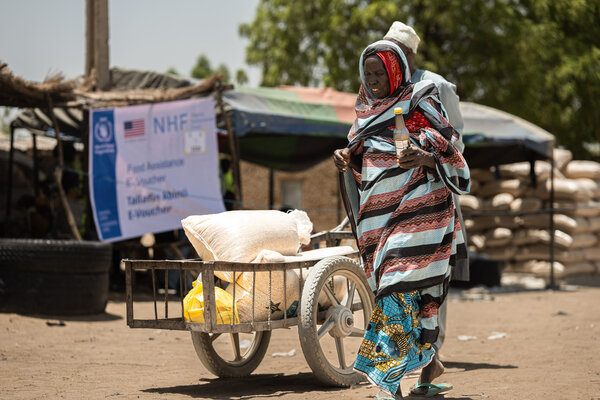
33.5 Million Nigerians Could Face Acute Food Insecurity in 2027, Cadre Harmonisé Warns
A regional food-security assessment projects that 33.5 million people in 26 states and the Federal Capital Territory could face crisis-level food insecurity or worse during the June–August 2027 lean season.
More from Oluwatomisin Amokeoja

Nigeria’s Central Bank Keeps Rates Steady, Cites Inflation Risks Ahead of Elections
The Central Bank of Nigeria (CBN) on Tuesday kept its benchmark interest rate unchanged at 23%, opting to maintain a tight monetary policy stance as inflation eased for a fifth consecutive month. CBN’s monetary policy committee (MPC), meeting for the final time before the country’s next elections in January, also retained the cash reserve requirement (CRR) …
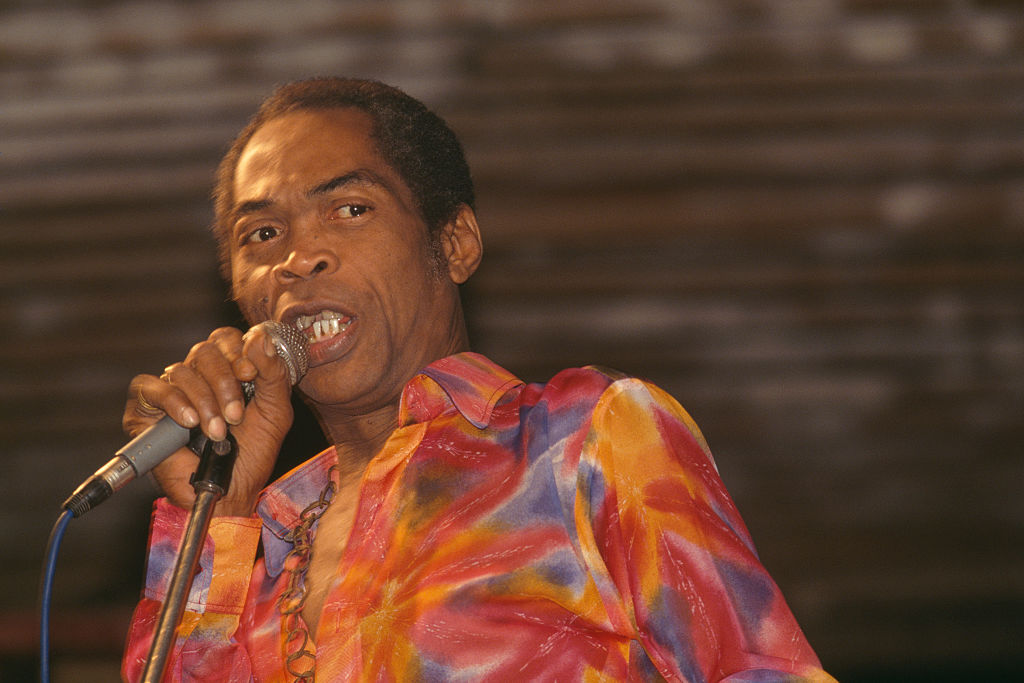
Nigerian Afrobeat Pioneer Fela Kuti Remembered With Historic Award
Nigerian Afrobeat pioneer Fela Kuti was recently formally inducted into the Rock & Roll Hall of Fame, receiving the early influence award in recognition of his contribution to music and his lasting impact on rock and popular culture. The award honors artistes whose music and performance styles have directly influenced, inspired and helped shape the …
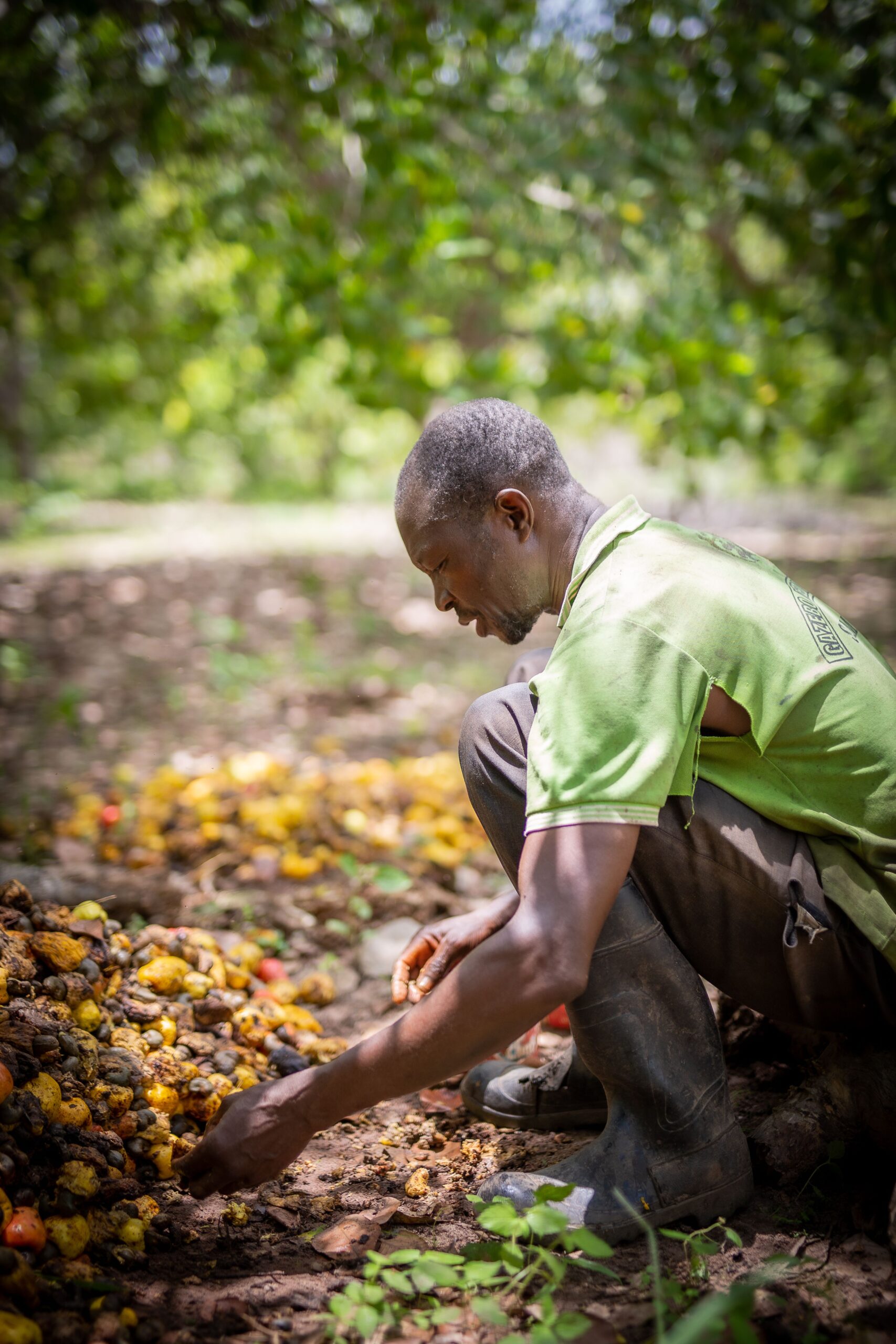
Ghana’s 262,000-Ton Cashew Industry Faces Export Curbs Under Government’s New Plan
Ghana plans to suspend raw cashew exports for the first three months of each harvesting season and introduce an export levy to finance domestic processors, President John Dramani Mahama has said. The proposed measures would give local processors priority access to raw cashew nuts before exporters are permitted to ship surplus supplies abroad, Mahama said …
Recommended

Adeleke Begins Second Term as Osun Governor, Pledges Industrialisation and Digital Economy Push

INEC Reports Smooth BVAS Test in Lagos as Nationwide Mock Exercise Tests 2027 Election Readiness

From Architecture To Artificial Intelligence: How Ewe Chinedum Evans Is Exploring A New Frontier For African Innovation

SpaceX Shares Soar As Musk Vows To Expand Stock Giveaway—Pledges A Share To Every Child Each Year
The Daily Brief