

INEC Reports Smooth BVAS Test in Lagos as Nationwide Mock Exercise Tests 2027 Election Readiness
INEC’s Lagos office says voter accreditation took less than a minute during Saturday’s mock exercise, as the commission tested BVAS and electronic result uploads ahead of the 2027 general elections.

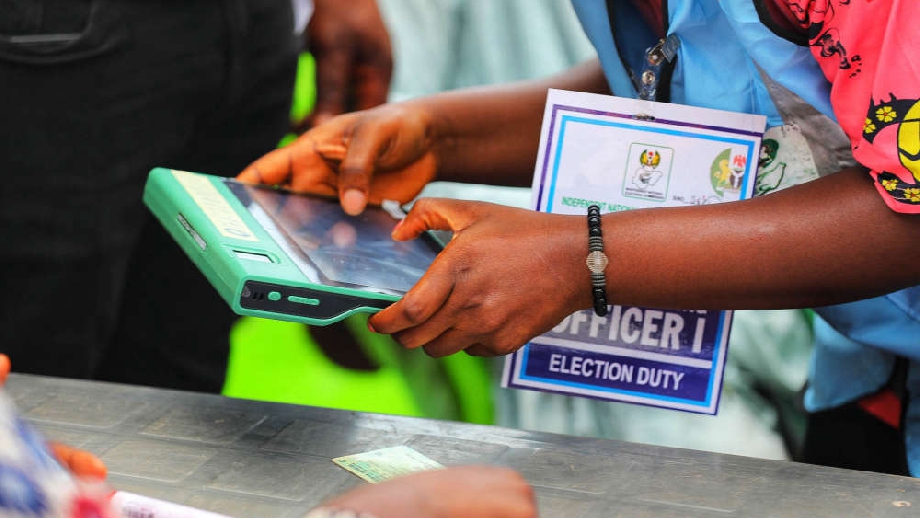
The Independent National Electoral Commission (INEC) has reported a smooth performance of its Bimodal Voter Accreditation System (BVAS) during the mock accreditation and election simulation exercise conducted in Lagos on Saturday, November 28, as preparations continue for Nigeria’s 2027 general elections.
Lagos Resident Electoral Commissioner Ayobami Salami said accreditation took less than one minute per voter at the polling unit he monitored in Surulere. He also said that, as of his visit, officials had not received complaints of technical or network failure. The assessment was specific to the locations monitored in Lagos and should not be read as a final nationwide evaluation.
Exercise covered 17,676 polling units
INEC scheduled the nationwide mock accreditation and result-upload exercise for two polling units in each of the country’s 8,838 Registration Areas, bringing the planned total to 17,676 polling units. The exercise was designed to test BVAS functionality, the accreditation process and the electronic upload of polling-unit results to the INEC Result Viewing Portal (IReV).
The commission said the exercise would run from 8:30 a.m. to 2:30 p.m. and provide an opportunity to identify operational or technical challenges before the 2027 polls.
Voter allocation per device reduced
Salami said INEC had reduced the maximum number of registered voters assigned to one BVAS device from 1,250 to 850. Polling units with more than 850 registered voters would receive additional devices, a change intended to reduce queues and shorten waiting times.
He also said the commission had acquired about 57,000 additional BVAS machines, which had been calibrated alongside existing devices. The exercise was intended to test both voter accreditation and the transmission of polling-unit results.
Technology test is one part of election preparedness
INEC has said its preparations for 2027 include strengthening result-validation safeguards, improving device storage and addressing operational risks identified after the 2023 general elections. The commission has identified insecurity, logistics and result management as key areas requiring attention.
While the reported performance in Lagos offers an early indication from the locations monitored, the wider test will need to be assessed across participating states and polling units. The reliability of accreditation and result-upload systems remains central to public confidence in the electoral process.
Sources: INEC official announcement; Punch report on Lagos exercise; Nigeria Civil Society Situation Room statement.
The Daily Brief
Get the daily FORBES.NG briefing.
Comments (0)
Sign in to join the conversation.
Related Stories
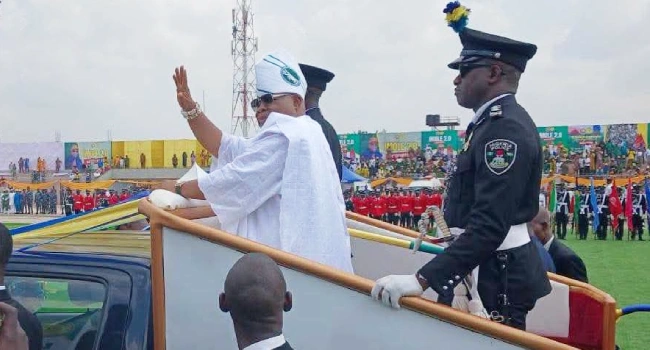
Adeleke Begins Second Term as Osun Governor, Pledges Industrialisation and Digital Economy Push
Sworn in on November 27, Ademola Adeleke says his administration will prioritise infrastructure, agriculture, tourism, job creation and citizens’ welfare during his next four years in office.

African Policy Decisions and Business Confidence: What Investors Watch
Policy predictability, credible institutions and clear implementation influence how businesses assess investment risks, costs and long-term opportunities.
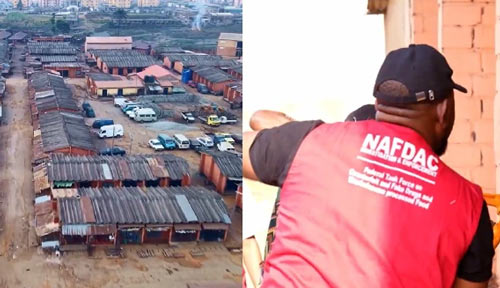
NAFDAC Shuts Abuja’s Zuba International Market After Seizing Fake Products Worth Over ₦300 Million
The regulator says more than 160 shops were screened during a joint enforcement operation with the police and DSS, which uncovered counterfeit and unwholesome products valued at over ₦300 million.
More from FORBES.NG
Adeleke Begins Second Term as Osun Governor, Pledges Industrialisation and Digital Economy Push
Sworn in on November 27, Ademola Adeleke says his administration will prioritise infrastructure, agriculture, tourism, job creation and citizens’ welfare during his next four years in office.
NAFDAC Shuts Abuja’s Zuba International Market After Seizing Fake Products Worth Over ₦300 Million
The regulator says more than 160 shops were screened during a joint enforcement operation with the police and DSS, which uncovered counterfeit and unwholesome products valued at over ₦300 million.
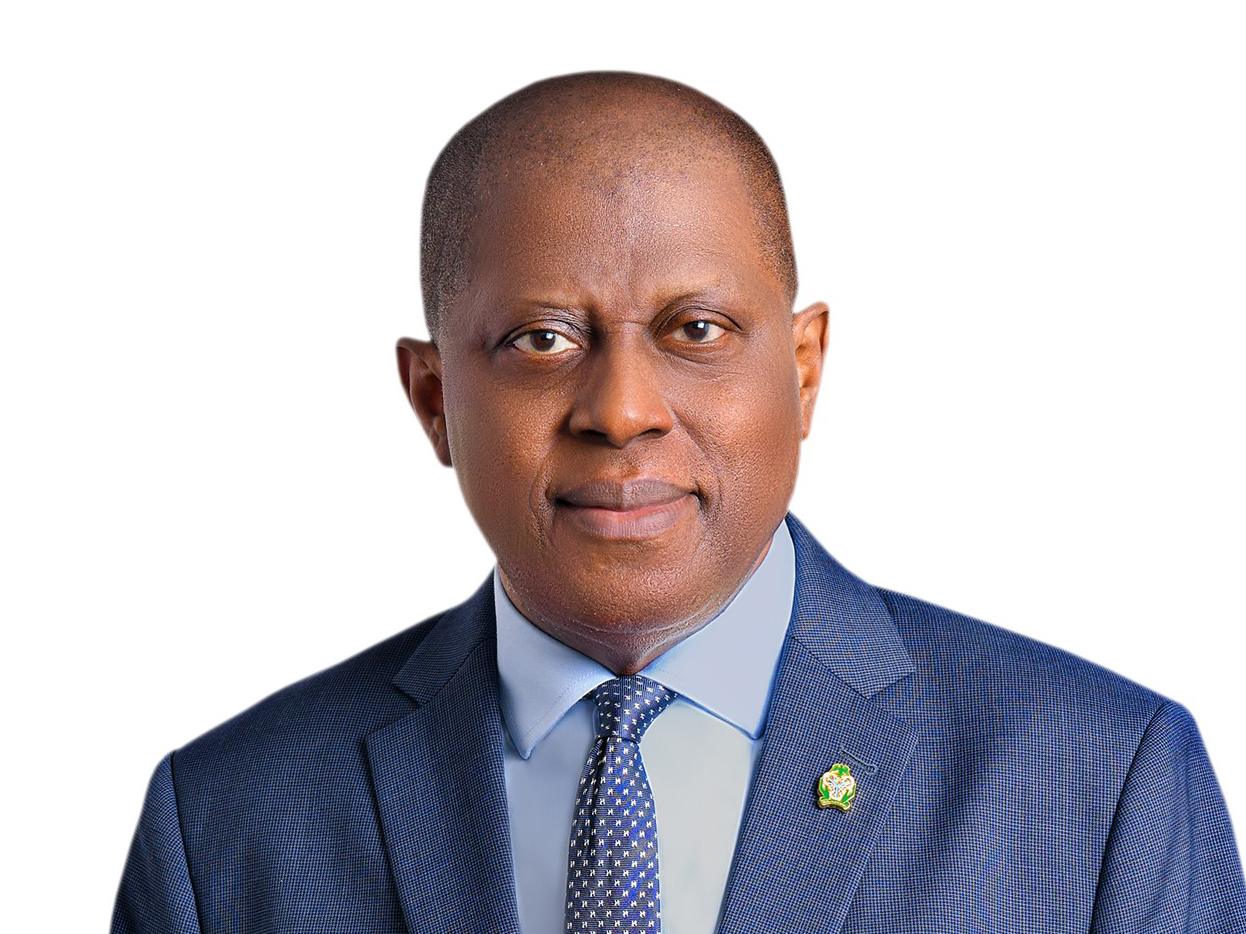
Nigeria Hits $1 Billion Monthly Diaspora Remittance Target, CBN Sets $1.5 Billion Goal
Central Bank Governor Olayemi Cardoso says formal diaspora remittance inflows have reached $1 billion a month, with the bank now targeting $1.5 billion by the end of the first half of 2027.
Recommended
Nigeria Hits $1 Billion Monthly Diaspora Remittance Target, CBN Sets $1.5 Billion Goal
33.5 Million Nigerians Could Face Acute Food Insecurity in 2027, Cadre Harmonisé Warns

From Architecture To Artificial Intelligence: How Ewe Chinedum Evans Is Exploring A New Frontier For African Innovation

SpaceX Shares Soar As Musk Vows To Expand Stock Giveaway—Pledges A Share To Every Child Each Year
The Daily Brief