

Malawi 2026: Charting A New Development Path
For decades, Malawi’s economic promise has been easy to identify and harder to unlock. The country has fertile land, a young population, mineral resources, tourism assets, and access to a regional market far larger than its own. The challenge has been turning those advantages into production at scale. In 2026, that question sits at the …
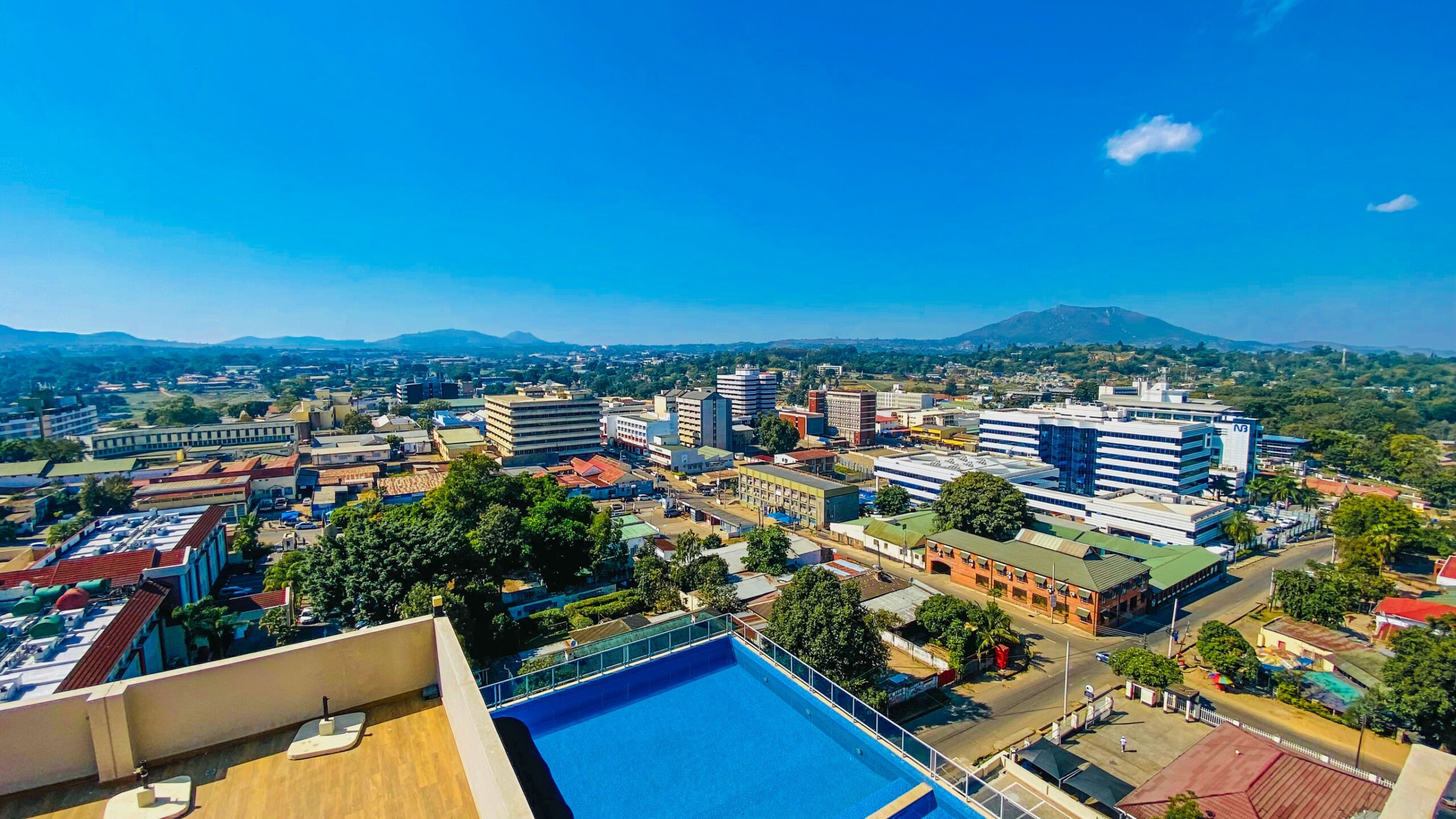
For decades, Malawi’s economic promise has been easy to identify and harder to unlock. The country has fertile land, a young population, mineral resources, tourism assets, and access to a regional market far larger than its own. The challenge has been turning those advantages into production at scale.
In 2026, that question sits at the center of Malawi’s economic agenda. Agriculture remains fundamental, but the ambition is no longer simply to grow more. It is to process more, manufacture more, generate the power industry needs, connect businesses to capital and markets, and retain value within the country.
President Arthur Peter Mutharika has placed that shift at the heart of his economic vision. Agriculture, which supports more than 80% of rural households, remains the starting point, but modernization, mechanization, and commercialization are intended to move farmers beyond subsistence while strengthening food security. The wider strategy reaches into mining, tourism, and manufacturing, with Malawi 2063 setting the long-term goal of becoming an industrialized, upper-middle-income country.
“We are modernizing agriculture, emphasizing mechanization and commercialization to ensure that farmers become entrepreneurs, and that productivity translates into prosperity,” the president says.
That transition is already visible in the private sector. Jagot Group, whose businesses span plastics, tiles, agriculture, packaging, and other industries, is launching new food and beverage operations in 2026. The aim is straightforward: produce locally what Malawi might otherwise import, create jobs, and build products that can earn foreign exchange through exports.
The company is also connecting agricultural sourcing with packaging and manufacturing, bringing different stages of the value chain closer together. “We have continued expanding in our core businesses, focusing on three major goals: quality, capacity, and nationwide outreach,” says Managing Director Nazrin Jagot.
None of that industrial ambition can move far without electricity. Malawi’s power system remains one of its most pressing constraints, but that is also changing. ESCOM has increased its customer base from around 500,000 connections in 2020–2021 to approximately 800,000, and a further US$250 million grant is expected to support another 235,000 connections between 2025 and 2030.
The larger task is to make supply more reliable and less dependent on hydropower, which currently accounts for around 90% of generation. Solar, independent power producers, and interconnections with neighboring countries are intended to give the system greater resilience.
“Our goal is to move away from blackouts and ensure customers receive what they need,” says Sinosi Maliano, Acting Chief Executive Officer of ESCOM.
Power is only one type of connection that Malawi needs. The government wants 80% of Malawians connected digitally by 2030, with investment planned in fiber networks, towers, last-mile infrastructure, digital public services, and digital literacy. Regional integration matters just as much to an economy whose domestic market cannot provide the scale many businesses need.
For Mutharika, that means producing competitively at home while investing in the roads, railways, and energy infrastructure needed to reach markets abroad.
“Our strategy is to build capacity at home, connect to markets abroad, and ensure that Malawi is a proactive player in Africa’s economic renaissance,” he says.
Finance will determine how quickly those ambitions become businesses and infrastructure. Ecobank Malawi is using its presence across more than 30 African countries to connect Malawian companies with markets and financial services beyond their borders, while partnerships with institutions, including Proparco, the European Investment Bank, and the International Finance Corporation, are helping expand financing capacity.
“The real value of partnerships lies in how effectively they translate capital into productive local growth,” says Managing Director Raymond Fordwuo.
Domestic capital matters too. Press Corporation, Malawi’s largest listed holding company, has interests spanning financial services, telecommunications, energy, property, tourism, and agriculture and supports roughly 3,900 jobs. Its approach reflects a wider question facing the country: how much of Malawi’s next phase can be built from within?
Chief Executive Officer Ronald Mangani makes the case plainly: “Nobody is going to develop this country for us. Developing Malawi is our responsibility. If we show seriousness, investors will support us, and opportunities will appear.”
Just as important is the investment in people. Around 60% of Malawi’s population is under 25, creating enormous demand for education but also a workforce that could shape the country for decades. Astria Learning enrolled around 4,000 postgraduate students in less than 18 months through partnerships with the University of Malawi and the Lilongwe University of Agriculture and Natural Resources.
Its expansion into agritech education, including drones and virtual reality, also points to the changing skills required by a more commercial agricultural economy. “People in Malawi are eager to see the country develop. I’ve never seen anything like it before,” says Astria Learning CEO, Dr Jeff Bordes.
The opportunities are substantial, but so are the practical constraints. Power reliability, access to finance, infrastructure, foreign exchange pressures, agricultural productivity, and the ability to execute projects will determine the pace of change.
What stands out in Malawi’s current economic conversation is how closely these challenges are connected. Agriculture needs energy and irrigation. Industry needs reliable power and finance. Mining needs infrastructure. SMEs need capital and larger markets. A young population needs skills that match the industries the country wants to build.
Mutharika’s prescription is similarly practical: produce more, build capacity at home, and compete beyond Malawi’s borders. The Warm Heart of Africa will remain part of the country’s identity, but its next chapter depends on what it can make, grow, power, finance, and export.
The Daily Brief
Get the daily FORBES.NG briefing.
Comments (0)
Sign in to join the conversation.
Related Stories
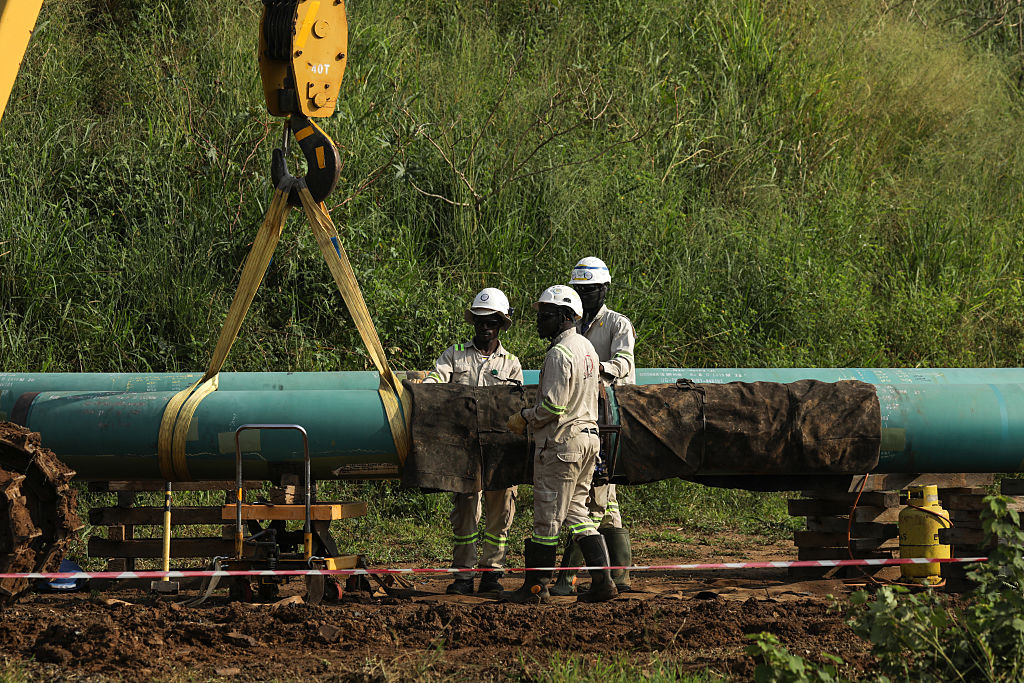
Moving African Oil: Cross-Border Pipeline Soon To Open With First Oil Expected Next June
The inauguration of the 1,447-kilometer East African Crude Oil Pipeline (EACOP), stretching from Uganda’s Lake Albert area to Tanzania’s Tanga Port, has been long in the making, but now stands at over 98% complete. That is the metric provided to FORBES AFRICA by Uganda National Oil Company’s (UNOC) Chief Corporate Affairs Officer, Tony Otoa, who, …
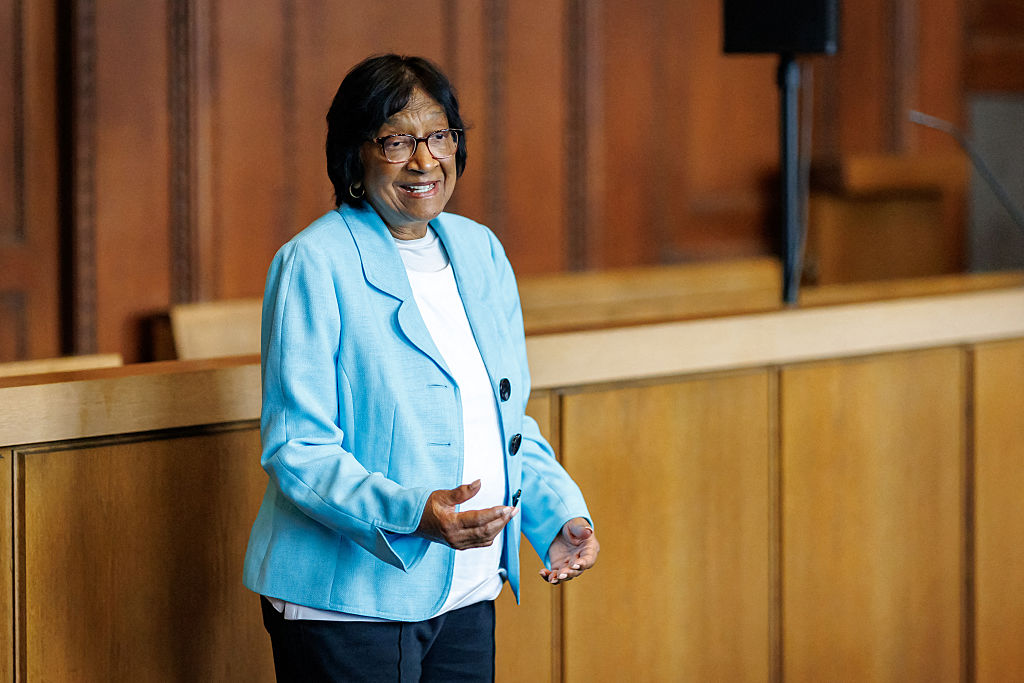
‘Pleased To Join All Those Who Support International Justice’: South Africa’s First Female Nobel Peace Prize Laureate On Upholding The Rule Of Law
It’s a busy Monday afternoon for the world’s newest Nobel Peace Prize laureate, who is taking back-to-back press interviews from her desk at The Hague, the Netherlands’ seat of international law and arbitration. Navanethem ‘Navi’ Pillay was at an international conference in the Nuremberg Palace of Justice–more specifically, in the historic Courtroom 600, where Nazi …
More from Penresa
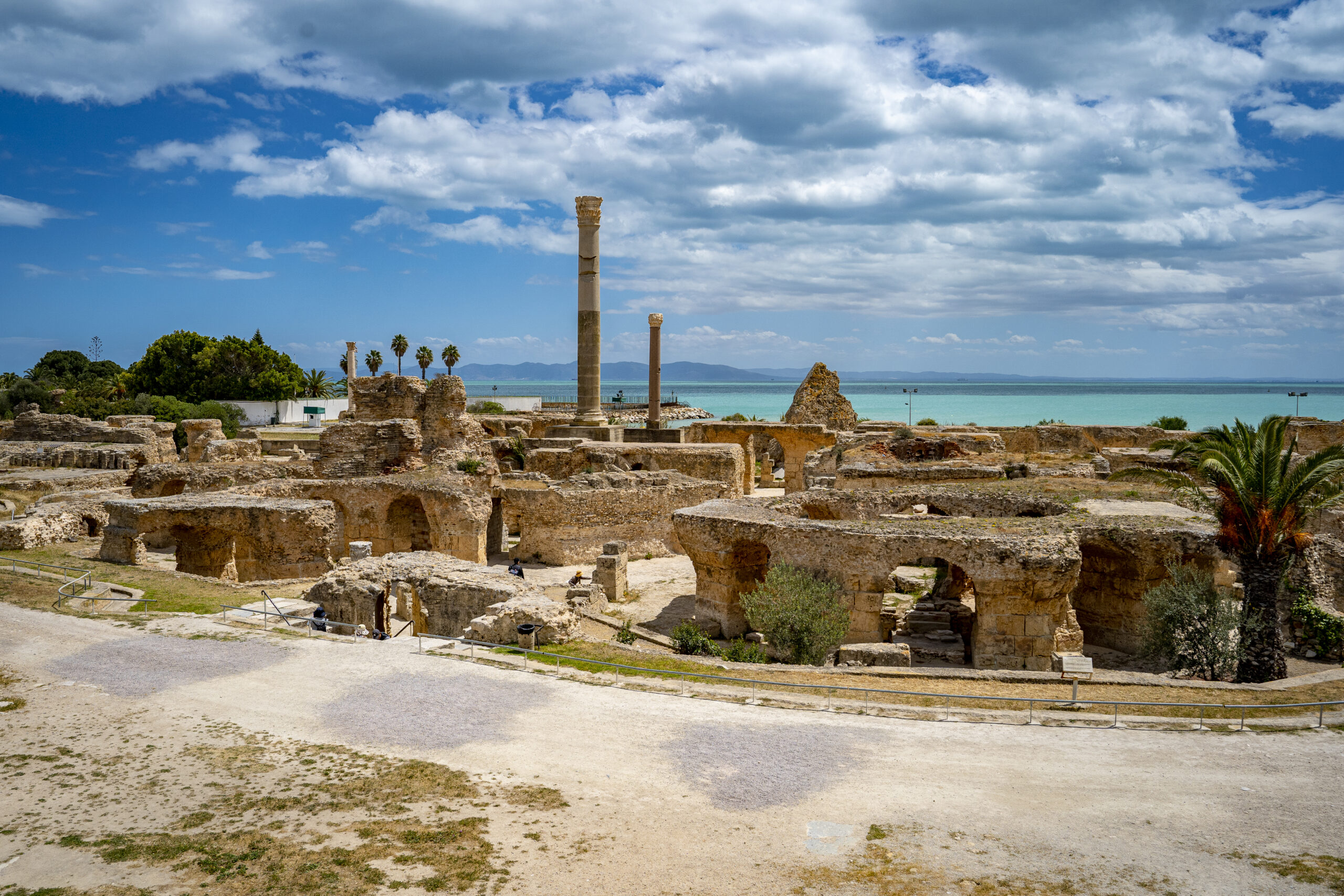
Where Continents Meet, Opportunity Begins
Tunisia’s talent, technology, and industrial strength redefine its role in the global economy. Tunisia has spent decades being described by where it sits. What defines it now is who lives there. A new generation of engineers, entrepreneurs, researchers, and industrial leaders is turning the country’s historic Mediterranean advantage into something more valuable: a place where …
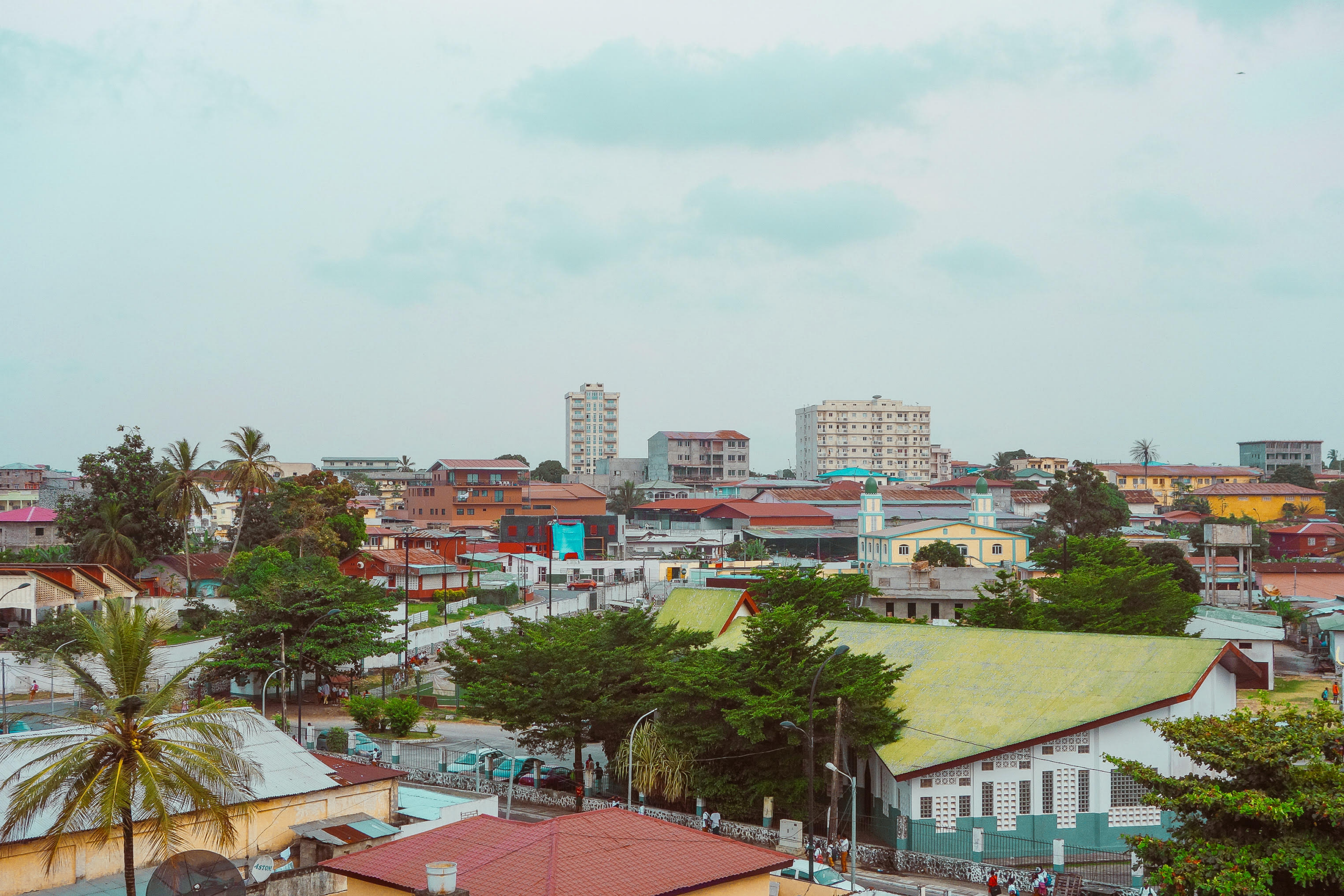
Equatorial Guinea: Charting A New Era Of Sustainable Prosperity
With a renewed focus on diversification and digitalization, Equatorial Guinea is leveraging its resources to create inclusive, long-term growth. “Agro-processing is a key priority, as our goal is to ultimately achieve national self-sufficiency and independence.” President Teodoro Obiang Nguema Mbasogo Equatorial Guinea is entering a new phase in its economic story–one defined by diversification, competitiveness, and connection. …
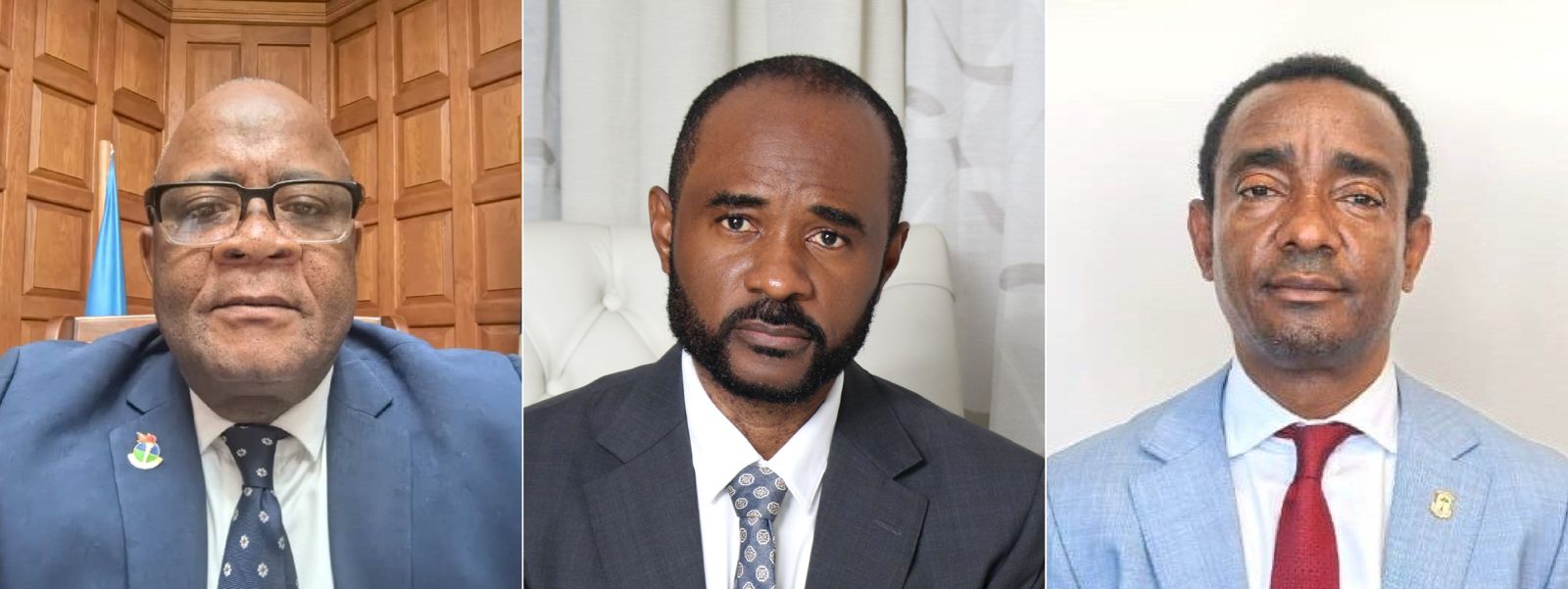
Foundations Strengthening A National Future
Policy reforms, national capabilities, and coordinated institutions reinforce long-term growth across Equatorial Guinea. Q. How is your ministry advancing the national development agenda across key sectors such as agriculture, energy, and tourism, and what priorities guide your efforts to drive long-term economic growth and self-sufficiency? Hon. José Juan Ndong Tom Mekina, Minister of Agriculture, Livestock, Forestry, …
Recommended


The Daily Brief