

Nigeria Confirms Imported Ebola Case in Abuja as 44 Contacts Are Monitored
Nigeria has confirmed an imported case of Bundibugyo virus disease in Abuja. Health authorities are monitoring 44 contacts while investigating the source of infection amid a wider regional outbreak.

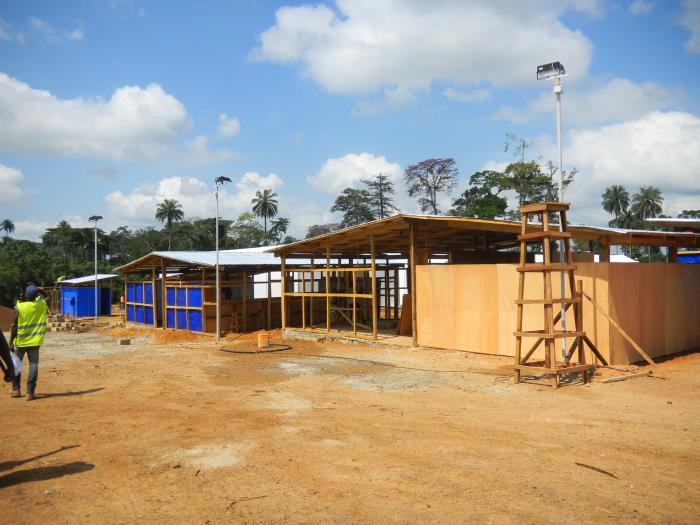
Nigeria has confirmed an imported case of Ebola disease caused by the Bundibugyo virus in the Federal Capital Territory, prompting intensified contact tracing and surveillance as a wider outbreak continues in parts of Central and East Africa.
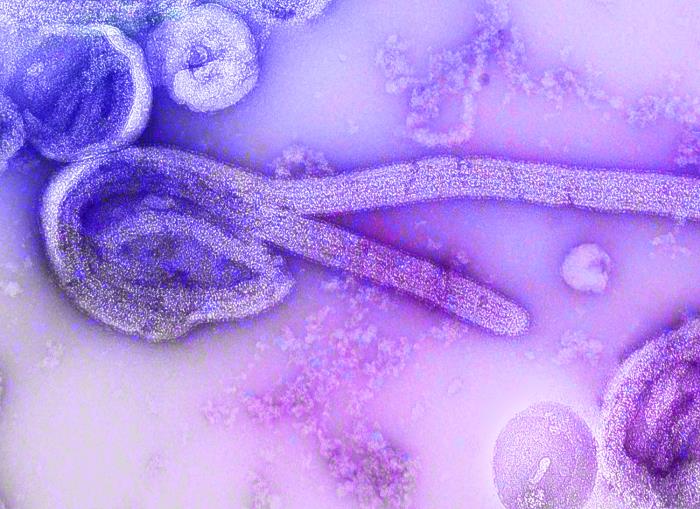
The World Health Organization (WHO) Regional Office for Africa said on October 20 that the patient is a woman with recent travel history to Uganda. She developed symptoms on October 7 and sought care at a private health facility in Abuja on October 11. Laboratory testing confirmed Bundibugyo virus disease on October 20. The patient was placed in isolation and was receiving medical care, according to the WHO update.
Authorities had identified 44 contacts for monitoring, while investigations continued to establish the likely source of infection and reconstruct the patient's travel and exposure history. Nigeria's Centre for Disease Control and Prevention activated its incident management system to coordinate the response, with infection-prevention measures strengthened at the health facility where the patient sought care.
Regional outbreak raises surveillance concerns
The case in Nigeria is part of a wider outbreak of Bundibugyo virus disease first declared in the Democratic Republic of the Congo in May 2026. The WHO's regional situation report, using data through October 19, recorded 9,637 confirmed cases and 4,646 confirmed deaths in the Democratic Republic of the Congo. Kenya has also reported nine confirmed cases linked to an imported infection, including one death, according to the European Centre for Disease Prevention and Control's October 22 update.
Outbreak figures can change as investigations continue, and totals may differ between agencies depending on reporting dates and case definitions. Health authorities are coordinating surveillance, laboratory testing, contact tracing and infection prevention measures across affected countries.
What is Bundibugyo virus disease?
Bundibugyo virus disease is a severe illness caused by one species of Ebola virus. Symptoms may include fever, fatigue, muscle pain, headache and sore throat, followed by vomiting, diarrhoea, rash and, in some cases, bleeding. These symptoms can resemble other illnesses, so laboratory testing is required to confirm a diagnosis.
Ebola spreads through direct contact with the blood or other bodily fluids of a person who is sick with the disease or has died from it, as well as through contaminated objects. People who have not developed symptoms are not considered infectious. The WHO says there is no licensed vaccine or specific treatment for Bundibugyo virus disease, making early detection, supportive clinical care and infection-prevention measures especially important.
Public health advice
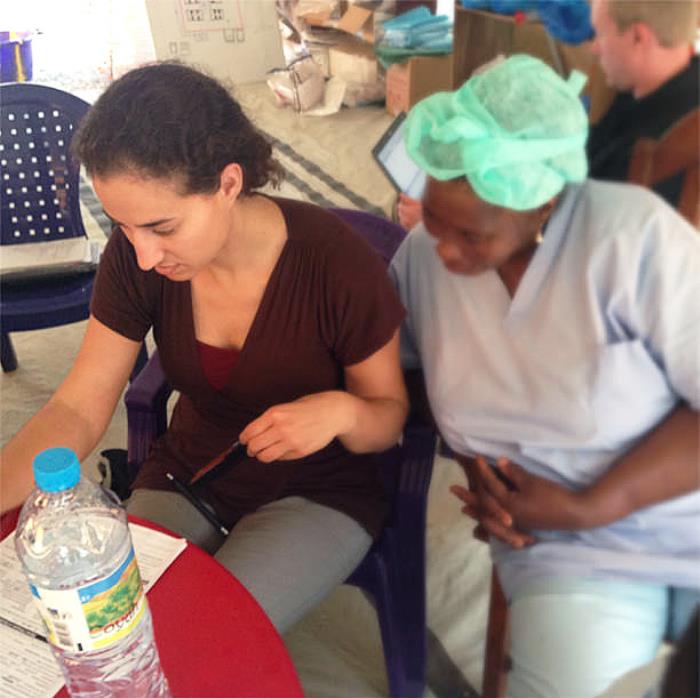
Anyone who believes they may have had contact with a confirmed case should follow instructions from public health officials, monitor for symptoms and seek medical guidance promptly. People should avoid contact with the bodily fluids of anyone suspected of having Ebola and should not attempt to care for a suspected patient without appropriate training and protective equipment.
The WHO advises countries to maintain surveillance, ensure laboratories can safely test suspected cases, strengthen infection prevention and control in health facilities, and keep response teams and essential supplies ready. It has also advised against restrictions on travel to or trade with affected countries.
As of the latest official updates cited here, Nigerian authorities were monitoring identified contacts and investigating the source of infection. The number of contacts and the wider epidemiological picture may change as new information becomes available.
Sources: World Health Organization Regional Office for Africa, October 20, 2026; WHO regional situation report with data as of October 19, 2026; European Centre for Disease Prevention and Control, October 22, 2026.
The Daily Brief
Get the daily FORBES.NG briefing.
Comments (0)
Sign in to join the conversation.
Related Stories

Nigeria’s $25 Million Maternal Health Initiative Puts Digital Care in Focus
A reported $25 million maternal-health initiative highlights the role of funding, access and frontline services in improving care for mothers and newborns in Nigeria.
African Healthcare Providers Need Stronger Supply Chains for Essential Medicines
Reliable access to essential medicines depends on demand forecasting, supplier oversight, inventory visibility and safeguards against stockouts and avoidable waste.
Healthcare Innovation in Africa: Scaling Access Without Losing Quality
Digital health and new care models may improve access, but sustainable expansion depends on clinical quality, patient privacy, trained staff and workable financing.
More from FORBES.NG

Africa’s 23 Billionaires in 2026: Full List, Fortunes and Businesses
Forbes’ 2026 annual ranking identifies 23 billionaires whose wealth is tied to Africa, led by Nigeria’s Aliko Dangote. Here is the complete list, estimated fortunes, countries and industries, with context on how the ranking is compiled.

Nigerian Stocks Edge Lower as Investors Track Market Volatility
The NGX All-Share Index was down about 0.07% in the latest available Friday update, while investors monitored global market volatility and oil prices. Friday’s final closing figures were not yet available at the time of reporting.

AI Could Allow For 3-Day Workweeks And Single-Income Households, Bezos Claims
Topline Amazon founder Jeff Bezos said he believes artificial intelligence could generate enough productivity gains to allow Americans to have a three-day workweek or rely on a single-income for the whole household—pushing back against fears that the technology could lead to large-scale job losses for American workers. This story was first published on Forbes.com Key …
Recommended



The Daily Brief