

Thinking A-Head: How BCIs Will Redefine What it Means To Be Human
Brain-computer interfaces are an inevitable step in human evolution. With the technology moving inside of our heads, the question is no longer if we’ll merge with it, but when. Hear from those who have had a head start. Jeffrey Castillo, an American futurist, filmmaker and tech entrepreneur, predicted that by 2040, there will be two […]

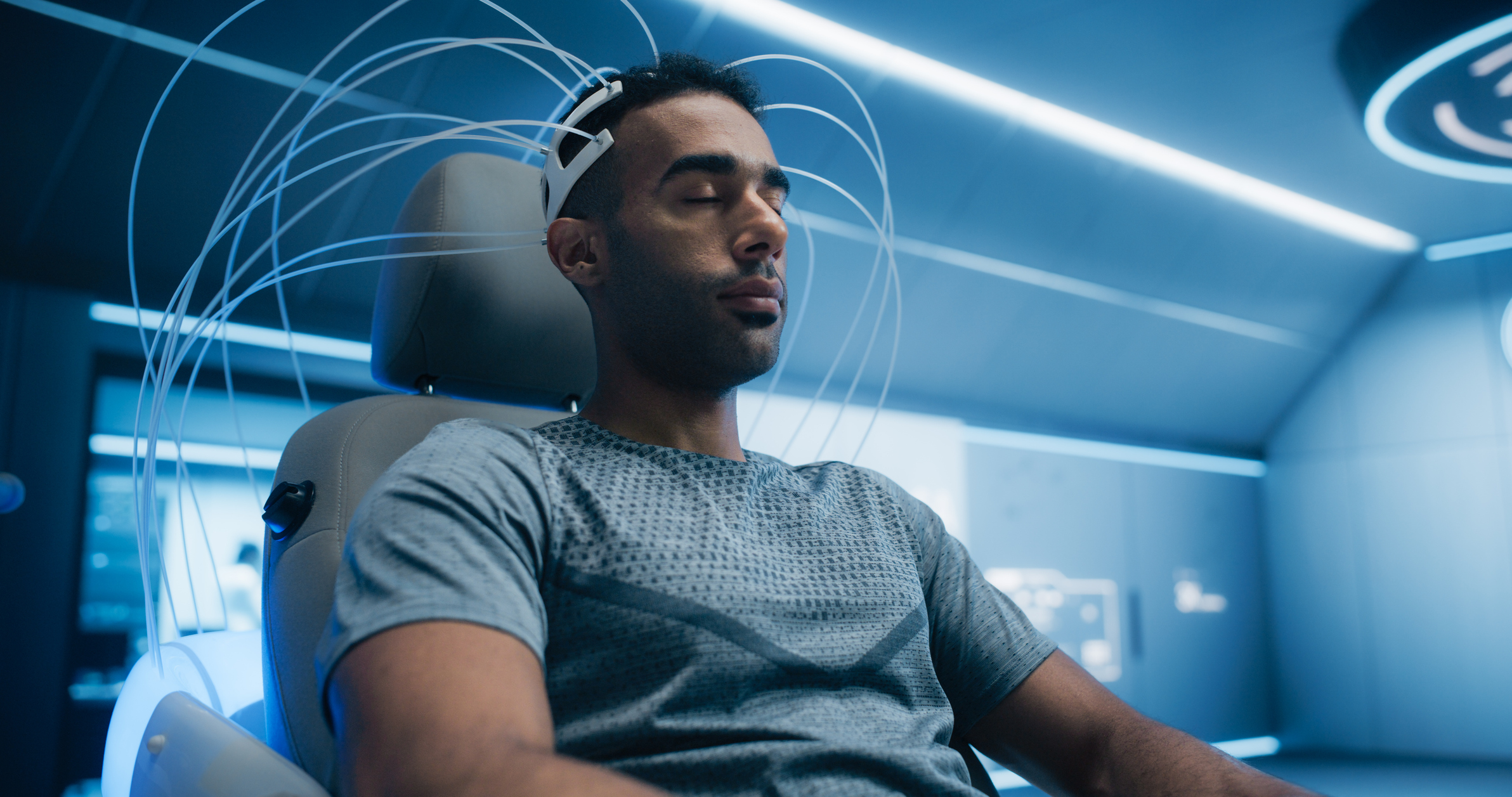
Brain-computer interfaces are an inevitable step in human evolution. With the technology moving inside of our heads, the question is no longer if we’ll merge with it, but when. Hear from those who have had a head start.
Jeffrey Castillo, an American futurist, filmmaker and tech entrepreneur, predicted that by 2040, there will be two types of humans.
The first won’t want a brain chip, either because they can’t afford it or they are opposed to the idea. The second type, he calls superhumans. Not only will they have a chip, they’ll want the latest and most powerful version of it that lets you do more. The question is, more of what?
Elon Musk has a long-term vision of humans merging with artificial intelligence (AI) by 2035. Ray Kurzweil, an American computer scientist, inventor and futurist has written about this topic extensively, questioning if brain-computer interfaces (BCIs) are simply an inevitable step in human evolution.
Neuralink is at the forefront of this groundbreaking technology with their N1 chip, Telepathy. By implanting ultra-thin threads into the brain, the system connects neurons to a small, wearable device. These threads record and stimulate neurological activity, enabling direct interaction between the brain (and other) devices. According to a recent Morgan Stanley research report, titled Neuralink: AI in your brAIn, Neuralink has a backlog of over 10,000 people who want this BCI.
“BCIs will redefine what it means to be human in remarkable ways,” says Dr Adam Pantanowitz, a biomedical and electrical engineer as well as the creator of ‘Brainternet’, the world’s first human project to connect a human brain to the internet. “We’re already in a world where we use devices to augment and expand our neurological reach. With the onset of AI as an augmenting tool to help our neurological systems improve, BCIs will take us to the next level…”
Rise of the superhuman
The first Neuralink recipient is a man from Arizona named Noland Arbaugh. He was paralyzed below the shoulders after a freak diving accident in 2016. At the age of 30, he received the chip and with it, the ability to control a computer with his mind. Today, he can play video games, write emails and even take online classes–he’s on course to get a neuroscience degree. Neuralink’s third patient, Brad Smith, was the first person with Amyotrophic Lateral Sclerosis (ALS) to receive an implant. He is unable to swallow, speak or move his limbs but now he can use AI voice communication technology to speak. Rob Greiner Jr. loved extreme sports but at 33, a car crash left him paralysed. After two years waiting to qualify, he became Neuralink patient number six. On X, the social media platform, he wrote that he was depressed because of his disability and his lack of ability to do anything by himself. He didn’t smile, but Neuralink has gotten him out of the headspace of feeling sorry for himself.
Neuralink is not alone. There are companies like Synchron and Precision Neuroscience (started by a former Neuralink co-founder, Benjamin Rapoport) all racing to develop brain implants of their own.
Outside of North America, China’s BCI industry is accelerating under state direction–and quickly. Backed by a 17-point plan from seven ministries, the goal is to bring BCIs into clinical use by 2027 and establish the country as a global leader by 2030. Unlike Neuralink, which requires surgical implantation, many of these biotech businesses are looking at less-invasive BCIs.
“Surgery is critically invasive, it can cause damage,” explains Pantanowitz. “The Neuralink integration doesn’t image the entire brain. It images a small portion so your engagement areas are not high and I think that’s going to be a key technical barrier.”
Sam Altman, the CEO of OpenAI, has a new, $850 million startup called Merge Labs that is developing a non-surgical BCI which combines the genetic modification of brain cells with ultrasound, to read neural signals and control digital devices.
“There’s something very exciting about non-invasive BCIs. I see that as being more scalable, less permanent, more upgradeable and easier to power,” Pantanowitz adds. “It comes without the fear factor.”
Merging with machines
Neuralink’s next chip, Blindsight, aims to restore vision. And it’s not just for people who have lost sight; those who are born blind could also benefit from a Blindsight BCI. Elon Musk posted on X that while the device will (eventually) give users ‘superhuman’ sight–going so far as to say those chipped will see even infrared, ultraviolet and radar wavelengths–at first, everything will be low-resolution, like the Atari 2600 which released in 1977. It sounds far-fetched, but so did the idea of a paralyzed person controlling a robotic limb through thought alone, until it became reality. “If we don’t merge ourselves with machines, then we run the risk that we hugely left behind,” warns Pantanowitz. “While I caution that we do this very carefully, I’m also mindful we might need to augment ourselves in order to cope with the changes that are coming. This can be massively uplifting and positive for our species if we use it correctly.”
Comments (0)
Sign in to join the conversation.
Related Stories
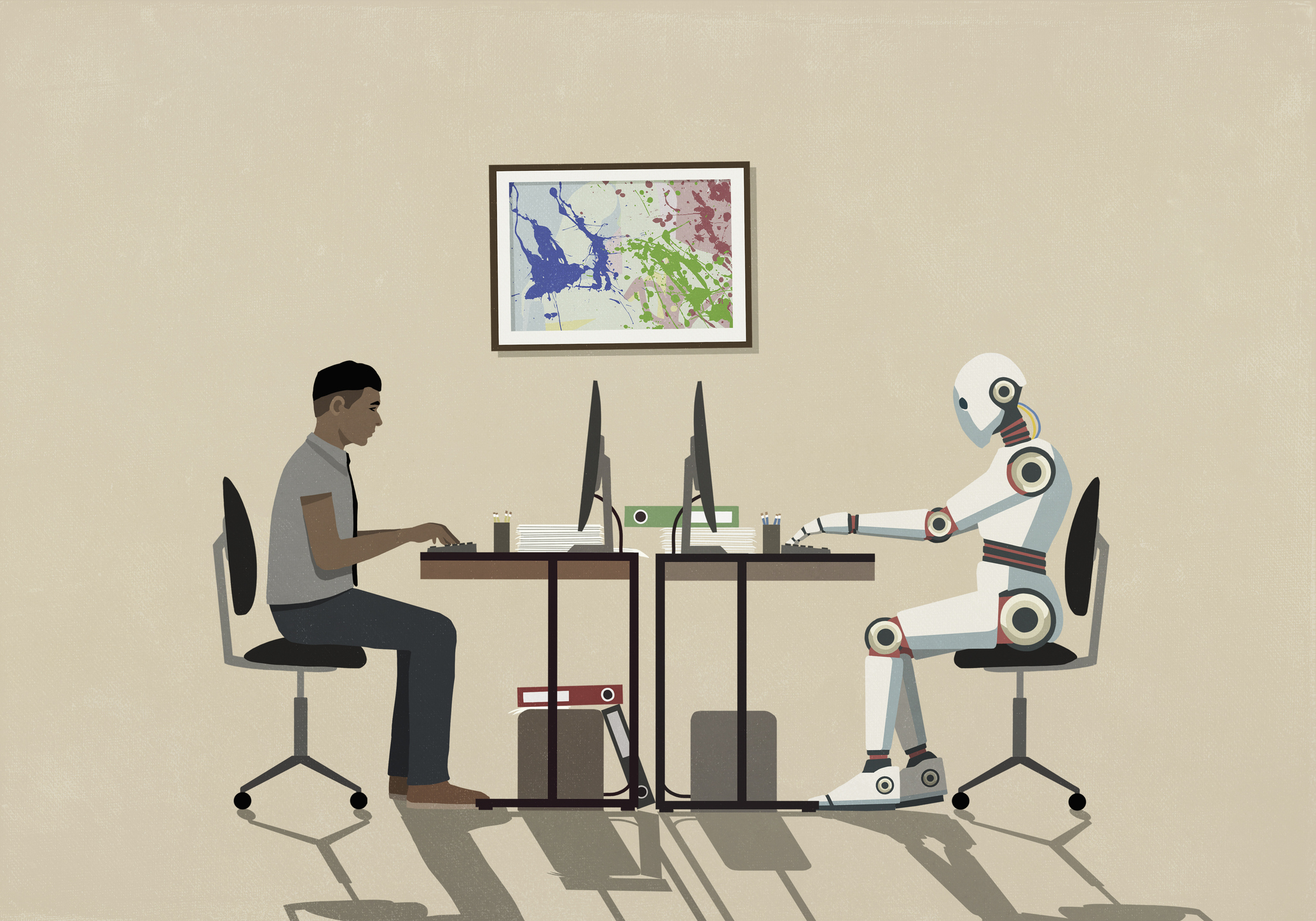
CEOs Say Layoffs Are AI’s Fault—But Some Experts Think Companies Are Lying
Topline Businesses implementing artificial intelligence was blamed for more layoffs than any other reason for the second month in a row in April, new data shows but some experts have said they think technology companies, which use the excuse more than any other sector, are using AI as a smokescreen to hide larger internal struggles. […]
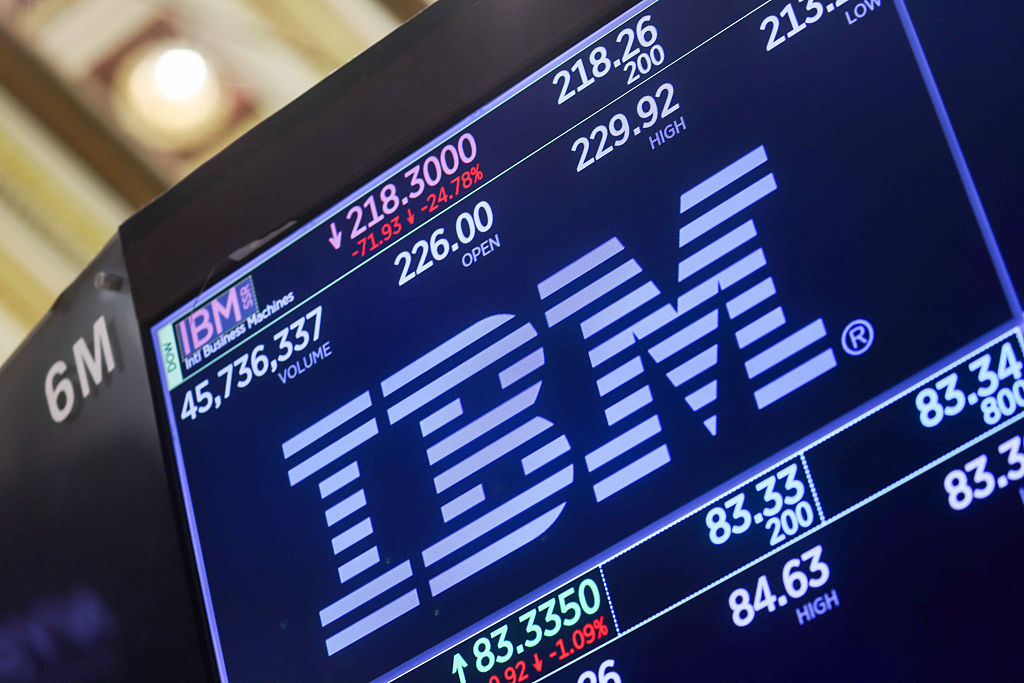
IBM Shares Crashed 25% In Worst Day Ever—Here’s Why
Topline IBM’s stock plummeted on Tuesday in its largest single-day loss in its 115-year history, after CEO Arvind Krishna warned investors the computing firm’s latest quarter was “worse than our expectations” while failing to adapt to rising chip costs. This story was first published on Forbes.com Key Facts Shares of IBM crashed 25.2% to around […]
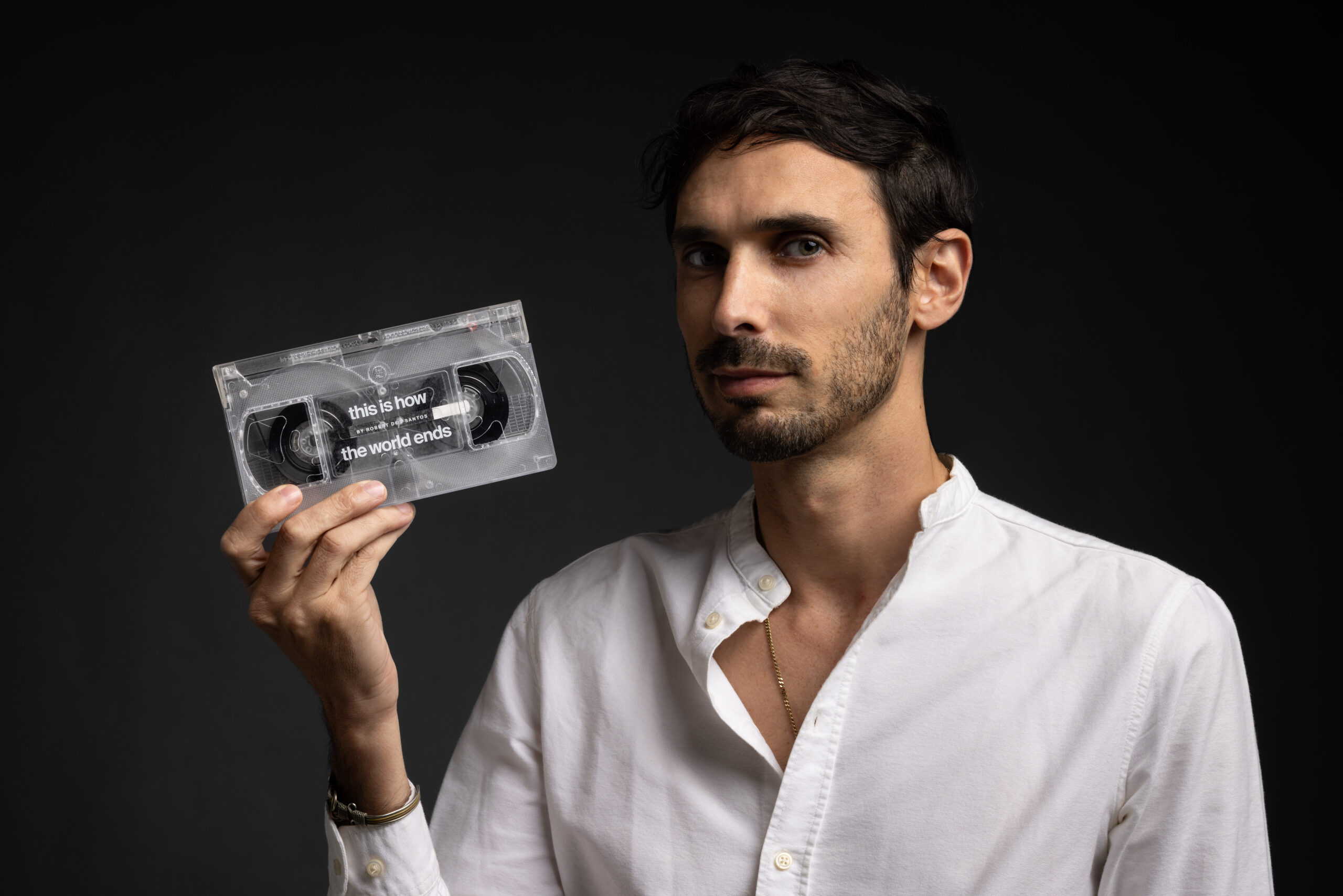
The South African Production Company Reviving VHS Tapes As A ‘Deliberate Middle Finger To AI’
Production company, And Films recently announced the upcoming release of feature film, This Is How The World Ends, which will debut on VHS, marking it as one of the first worldwide straight-to-VHS releases in 20 years. The creative economy accounts for approximately $2.3 trillion annually, representing roughly 3.1% of global Gross Domestic Product (GDP). […]
Recommended




The Daily Brief