

Africa’s Financial Markets Improve, But Index Shows That High Borrowing Costs Persist
Africa’s financial markets are becoming more developed, but high borrowing costs, limited liquidity, and foreign exchange constraints continue to hamper businesses’ access to affordable financing, according to the 2026 Absa Africa Financial Markets Index. The index’s 10th edition, produced by the Official Monetary and Financial Institutions Forum (OMFIF) in partnership with pan-African financial services provider …

Africa’s financial markets are becoming more developed, but high borrowing costs, limited liquidity, and foreign exchange constraints continue to hamper businesses’ access to affordable financing, according to the 2026 Absa Africa Financial Markets Index.
The index’s 10th edition, produced by the Official Monetary and Financial Institutions Forum (OMFIF) in partnership with pan-African financial services provider Absa Group and supported by the United Nations Economic Commission for Africa, found that 21 of the 29 economies assessed improved their scores, while the average rose to 56, its highest level since the index was launched in 2017.
The index measures market accessibility, openness, and transparency across economies representing about 80% of Africa’s population and gross domestic product (GDP).
South Africa retained its position as the continent’s leading financial market, supported by liquid capital markets, a broad range of financial products, sophisticated infrastructure, and strong institutional investor participation. Mauritius and Namibia also ranked among the leading performers, according to the report.
But the gains in market development have yet to resolve structural barriers to private-sector financing, particularly for small and medium-sized enterprises (SMEs), which often face higher borrowing costs and fewer funding options than large companies.
“Deeper markets do not automatically mean cheaper capital for businesses,” says Joshua Chinga, Senior Associate Economist at Lagos-based independent investment advisory firm AAG Capital, to FORBES AFRICA.
High sovereign borrowing costs and competition for domestic savings continue to constrain private-sector access to long-term financing, he explains, adding that shallow corporate debt markets, limited institutional investor participation, and currency risks further raise financing costs in many African economies.
Chinga says the next milestone should be more efficient capital allocation rather than improvements in index scores alone. This includes mobilizing institutional savings for productive businesses, deepening corporate bond and equity markets, and expanding funding opportunities beyond the largest publicly traded companies.
Nigeria illustrates the progress in developing alternative funding channels. The country introduced reforms, including mark-to-market valuation for fixed-income collective investment schemes and a new commercial paper listing and trading platform, according to the index.
Yinka Adewale, CEO of Nigerian business banking and financial infrastructure platform Nomba, says businesses now have more options than traditional bank loans, including raising funds through commercial paper and accessing pension funds and asset managers.
“More channels and more liquidity are what you build first. They do not lower the rate on their own,” Adewale tells FORBES AFRICA.
He argues that the cost of government borrowing is a key factor in determining private-sector lending rates. When lenders can earn high returns on government securities with comparatively little risk, businesses must offer attractive rates to compete for capital.
Improved credit risk assessment is another requirement, he says. Better access to reliable business cash flow data could enable lenders to distinguish between borrowers and price loans more accurately, rather than applying similar rates to companies with different risk profiles.
The index also highlights Uganda’s return to second place in its foreign exchange access pillar, where it has ranked among the strongest performers since 2022. Namibia, meanwhile, has developed one of sub-Saharan Africa’s largest pension industries relative to the size of its economy.
For companies engaged in cross-border trade, access to foreign currency and predictable payment costs remain central to the financing challenge.
Ola Oyetayo, CEO and Co-Founder of cross-border payments company Verto, says the index captures improvements in market structures but does not necessarily reflect the costs businesses face when moving money.
“When a currency trades thinly, importers pay a wide spread to convert it,” Oyetayo shares with FORBES AFRICA, adding that businesses may hold dollars they do not immediately need or pay suppliers in advance when currency conversion is difficult.
Those practices tie up working capital and can increase financing costs, particularly for SMEs and trade-focused businesses, he explains.
Oyetayo calls for more reliable foreign exchange access, local currency settlement options, and payment infrastructure that reduces dependence on layers of correspondent banks.
The Daily Brief
Get the daily FORBES.NG briefing.
Comments (0)
Sign in to join the conversation.
Related Stories

Dangote Refinery IPO Deadline Extended to October 27 as Investors Get More Time to Buy Shares
Dangote Petroleum Refinery’s ₦525-per-share IPO will now close on October 27, giving investors more time to complete applications as the company revises its offer timetable.
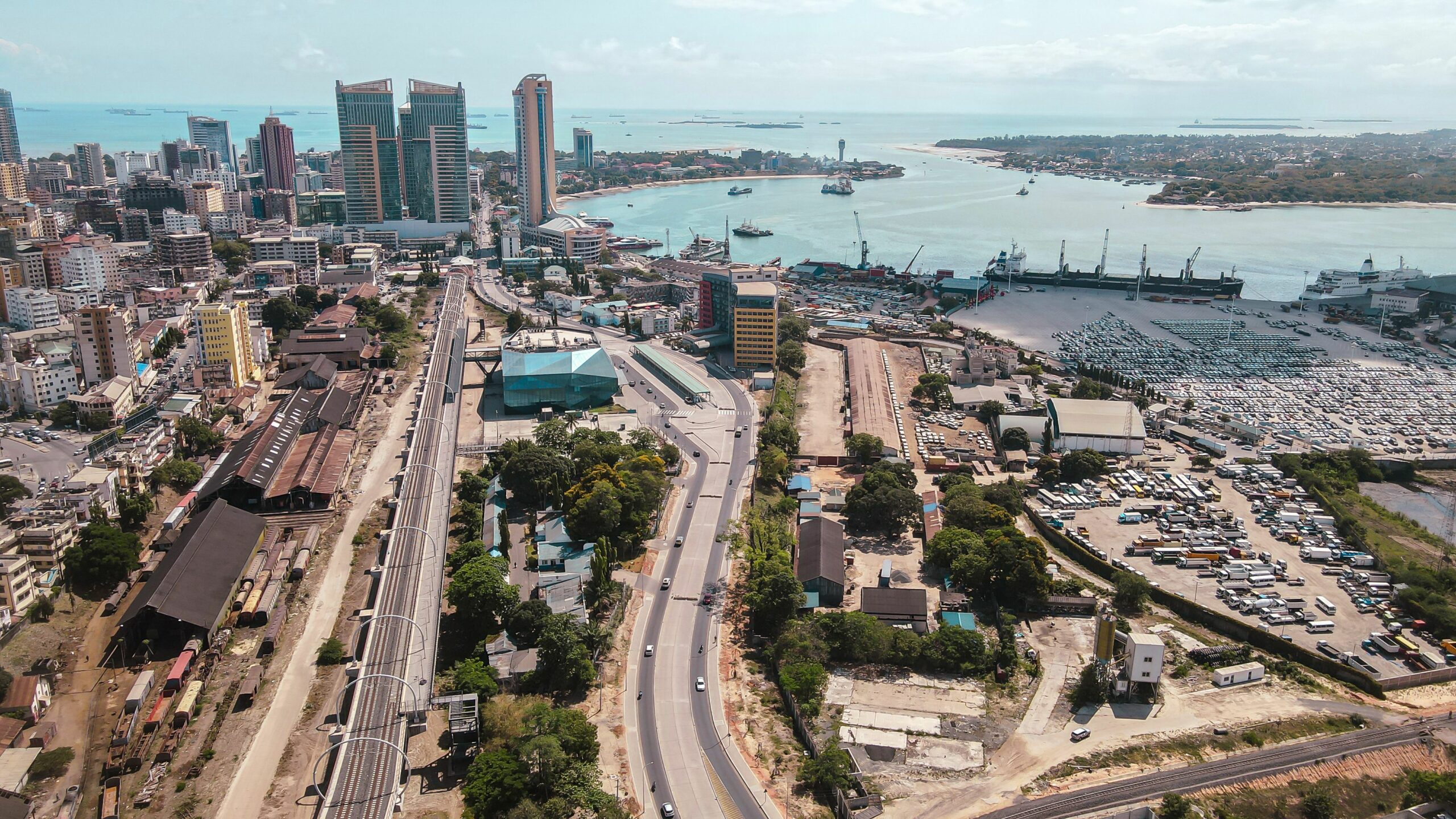
Potential Aplenty: Tanzania Eyes Hydrocarbon Boom
“We have a lot of potential, but not all of the investors know it,” says Fabian Mwose, Senior Petroleum Engineer at Tanzania’s Petroleum Upstream Regulatory Authority (PURA), to FORBES AFRICA, revealing the nation’s untapped hydrocarbon reserves to be north of 57.5 Trillion cubic feet (Tcf). To put this into context, Tanzania currently produces 230 million …
SpaceX Posts $431 Million AI Operating Profit As Total Revenue Jumps 161%
Topline SpaceX logged a nine-figure operating profit for its artificial intelligence segment in the company’s third-quarter results posted Tuesday, with Starlink also growing as an AI acquisition added to revenue. This story was first published on Forbes.com Key Facts SpaceX reported revenue of $14.6 billion, up 161% year-over-year, with net income of $4.4 billion—up $5.5 …
More from Oluwatomisin Amokeoja
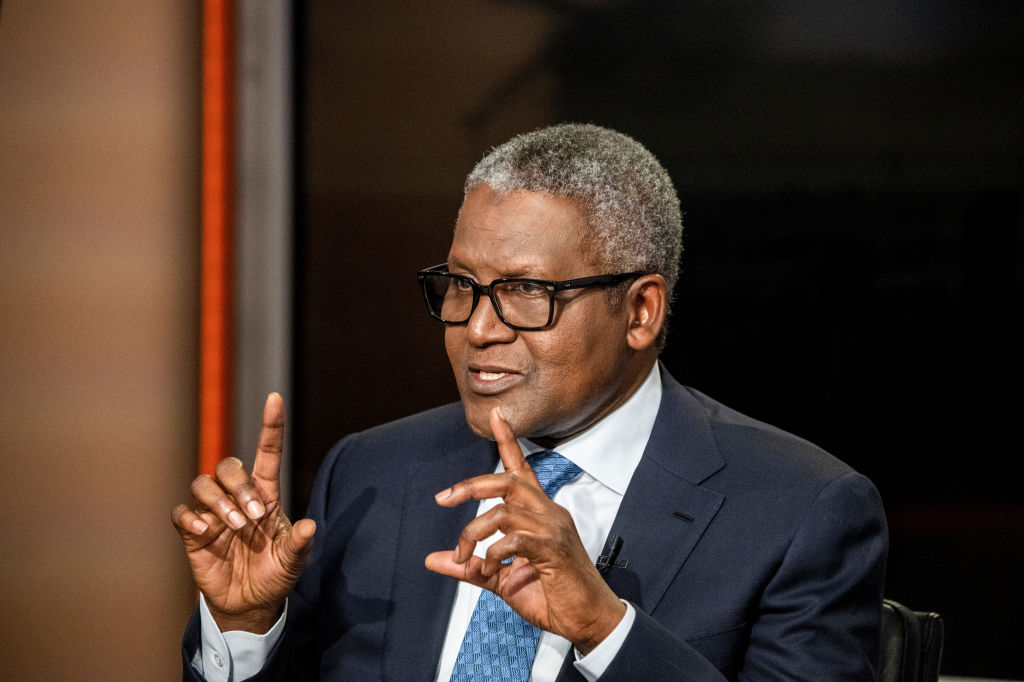
Africa’s Richest Man Confirms September London Secondary Listing Plans For Cement Behemoth
Dangote Cement, listed in Nigeria’s commercial capital Lagos, has a market capitalization of over $12 billion after its shares more than doubled over the past year. Africa’s richest man Aliko Dangote plans a secondary listing of his cement business in London in September, reviving long-standing plans to bring the continent’s largest cement producer to international …

First Nigerian Artiste With Two Grammys Performs Before Four Former U.S. Presidents At Obama Center Opening
Nigerian musician Tems joined a lineup that included Bono, The Edge, Bruce Springsteen, Christina Aguilera, Common, Eddie Vedder, Jennifer Hudson, John Legend, Marc Anthony, Stevie Wonder, The Roots and Marsai Martin at the opening ceremony. Nigerian Grammy-winning singer Tems recently performed her hit song Me & U before former United States (U.S.) President Barack Obama, former First Lady Michelle Obama and a global audience at the …

$25 Million Push For New Maternal Health Digital Initiative In Nigeria
MTN Group Foundation and the Gates Foundation have launched a $25 million partnership aimed at expanding digital access to maternal health services in Nigeria, seeking to reach 500,000 women, 5,000 frontline health workers and 500 primary healthcare facilities by 2030. The four-year Nigeria Maternal Health Multiplier will combine artificial-intelligence-enabled decision-support tools, affordable smartphones and mobile …
Recommended

AI Could Allow For 3-Day Workweeks And Single-Income Households, Bezos Claims
AI Could Allow For 3-Day Workweeks And Single-Income Households, Bezos Claims
AI Could Allow For 3-Day Workweeks And Single-Income Households, Bezos Claims

‘Running Is What I Know Best’: The Former Olympian Making Every Mile Count For Africa
The Daily Brief