

Potential Aplenty: Tanzania Eyes Hydrocarbon Boom
“We have a lot of potential, but not all of the investors know it,” says Fabian Mwose, Senior Petroleum Engineer at Tanzania’s Petroleum Upstream Regulatory Authority (PURA), to FORBES AFRICA, revealing the nation’s untapped hydrocarbon reserves to be north of 57.5 Trillion cubic feet (Tcf). To put this into context, Tanzania currently produces 230 million …
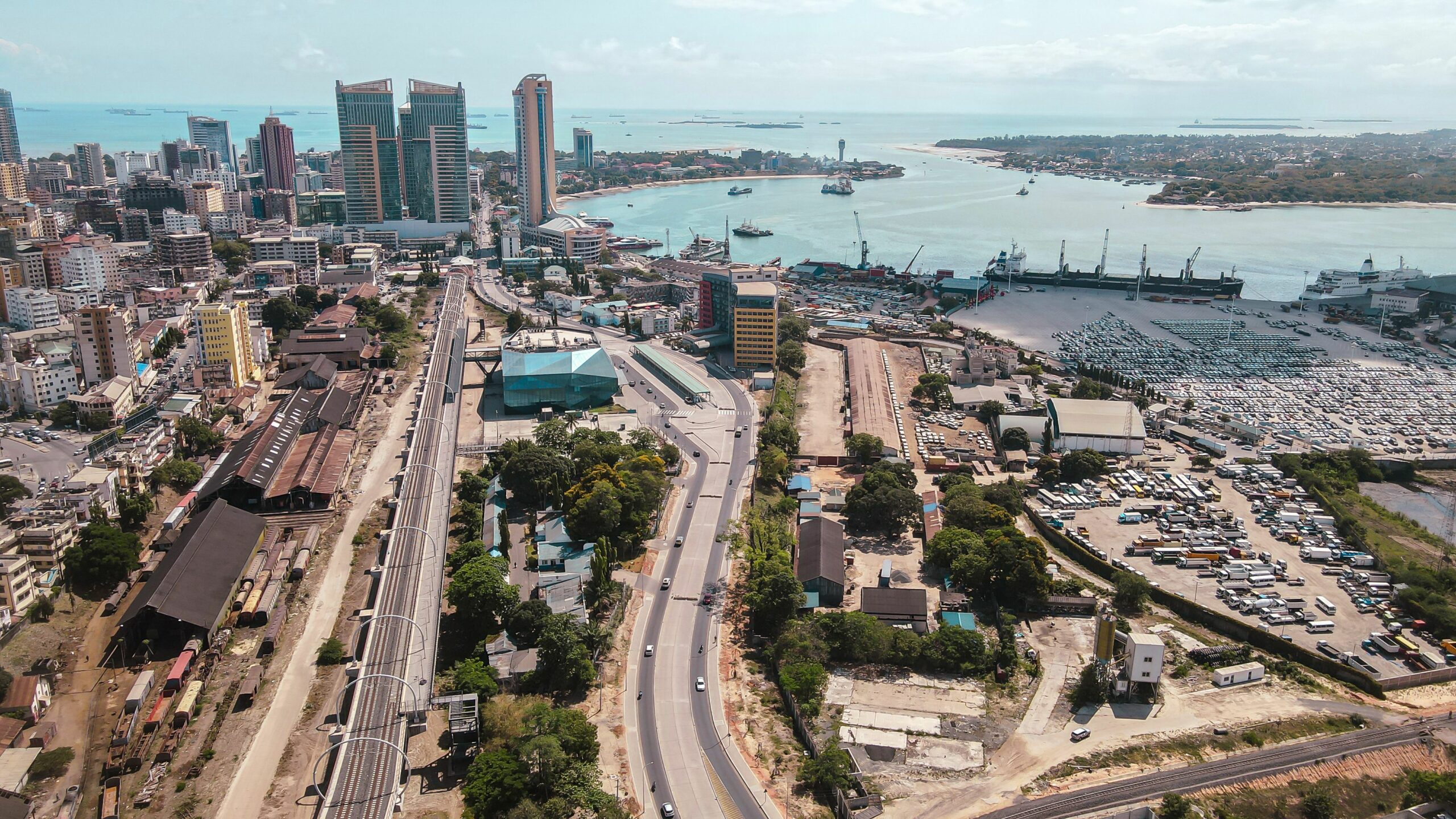
“We have a lot of potential, but not all of the investors know it,” says Fabian Mwose, Senior Petroleum Engineer at Tanzania’s Petroleum Upstream Regulatory Authority (PURA), to FORBES AFRICA, revealing the nation’s untapped hydrocarbon reserves to be north of 57.5 Trillion cubic feet (Tcf).
To put this into context, Tanzania currently produces 230 million standard cubic feet (SCF) of gas–not enough to export, but enough to have engaged the domestic market.
“We have more than 50 local industries using gas, so the cost of production has gone down, and some of the materials that we used to import from abroad are now being produced locally, particularly for the plastics and deliveries,” Mwose says on the sidelines of last week’s Africa Energy Week in Cape Town.
Much of the potential lies offshore, responsible for around 80% of discoveries with reserves of roughly 47.13 Tcf.
“Offshore discoveries will be commercialized via LNG projects, and the majority will be for export,” Mwose explains, complementing the notion with the fact that Tanzania “doesn’t have the capacity to consume so much”.
Tanzania has yet to discover crude oil, commercially, but possesses areas on the surface geologically similar to oil-proven zones, such as Uganda’s Albertine Graben and Kenya’s Turkana Basin.
“We have a good chance of discovering oil along the Eyasi-Wembere Basin,” he adds, an onshore waterway situated East of Lake Tanganyika, the world’s longest and second-deepest freshwater lake—nestled between the Democratic Republic of Congo and Tanzania—where more lucrative reserves are being touted.
It is in Lake Tanganyika that the government is currently in the process of pre-exploration, demarcating oil and gas blocks to auction off to bidders in what will be its fifth licensing round.
Speaking on the differences between oil and gas distribution, the petroleum engineer assures that “once you discover oil, the market’s there…For gas, there’s a complexity in terms of processing, but it’s easier to transport it…the contracts have to be long-term to justify the investment.”
Economies thrive when energy is abundant. Cheap power provides greater fiscal room for local businesses to succeed and is one of the key offerings that attracts large-scale industrialization. From a societal perspective, less money spent on electricity means household spending power rises, as well as the ability to save.
Mwose mentions midstream ambitions from the government to establish a refinery in Tanga, a port city that will soon anchor the 1,447-kilometer East African Crude Oil Pipeline (ECOP) project, sending Ugandan oil into the open market, and perhaps, in the future, Tanzanian oil, too.
The Daily Brief
Get the daily FORBES.NG briefing.
Comments (0)
Sign in to join the conversation.
Related Stories

SpaceX Posts $431 Million AI Operating Profit As Total Revenue Jumps 161%
Topline SpaceX logged a nine-figure operating profit for its artificial intelligence segment in the company’s third-quarter results posted Tuesday, with Starlink also growing as an AI acquisition added to revenue. This story was first published on Forbes.com Key Facts SpaceX reported revenue of $14.6 billion, up 161% year-over-year, with net income of $4.4 billion—up $5.5 …

‘Running Is What I Know Best’: The Former Olympian Making Every Mile Count For Africa
Roberto Mandje recently completed an incredible feat of endurance and perseverance when he ran seven marathons in seven days to highlight the potential Africa holds with its emerging economies, natural beauty and innovation. The original plan was to run the seven events in seven different countries, but a travel hiccup getting to Ghana meant he …
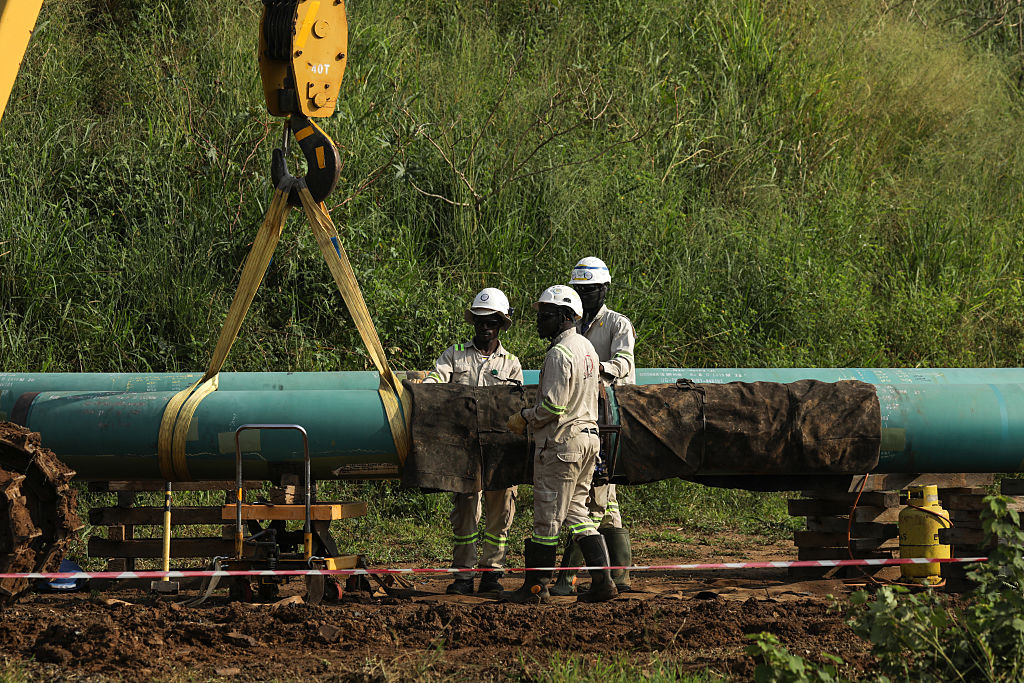
Moving African Oil: Cross-Border Pipeline Soon To Open With First Oil Expected Next June
The inauguration of the 1,447-kilometer East African Crude Oil Pipeline (EACOP), stretching from Uganda’s Lake Albert area to Tanzania’s Tanga Port, has been long in the making, but now stands at over 98% complete. That is the metric provided to FORBES AFRICA by Uganda National Oil Company’s (UNOC) Chief Corporate Affairs Officer, Tony Otoa, who, …
More from Freddie Hiney
Moving African Oil: Cross-Border Pipeline Soon To Open With First Oil Expected Next June
The inauguration of the 1,447-kilometer East African Crude Oil Pipeline (EACOP), stretching from Uganda’s Lake Albert area to Tanzania’s Tanga Port, has been long in the making, but now stands at over 98% complete. That is the metric provided to FORBES AFRICA by Uganda National Oil Company’s (UNOC) Chief Corporate Affairs Officer, Tony Otoa, who, …
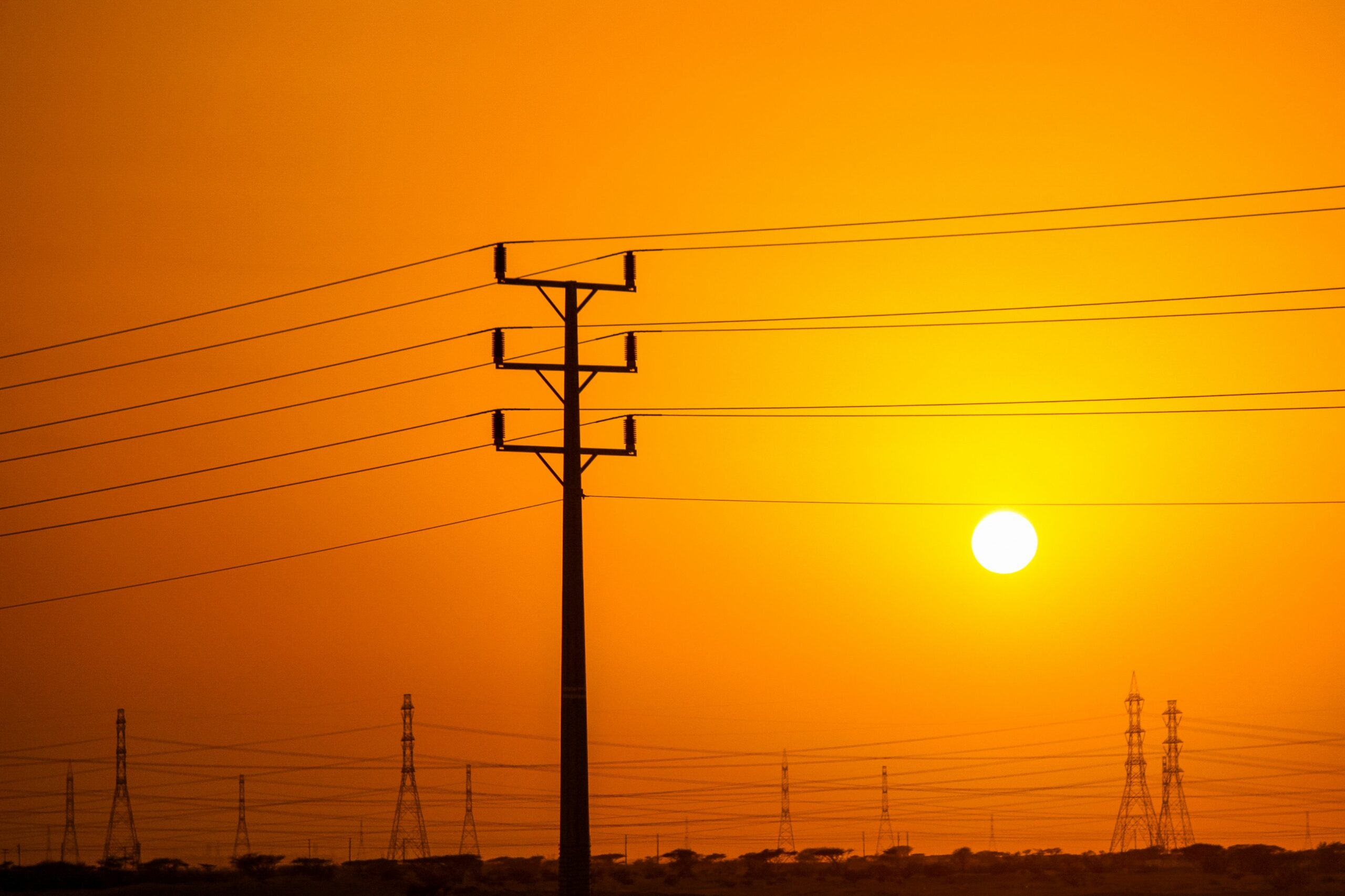
Zambia Prepares For El Niño After Previous Droughts Triggered Blackouts
The drought over two years ago had catastrophic consequences for Zambia’s energy security–a nation largely dependent on hydropower, generating over 80% of its electricity, according to government figures. As rivers dried up, the number of blackouts rose. The arriving El Niño—widely expected to become one of the strongest on record and anticipated to grapple the …

‘Thinking Five Years Ahead’: Ethiopia’s $50 Million Bet To Become Billion-Dollar Regional Gold And Metals Hub
Inaugurated on October 10, Ethiopia’s National Precious Metals Refinery coincides with gold’s rising importance for the nation of nearly 140 million people. According to the National Bank of Ethiopia, gold exports rose from $133.6 million in the fourth quarter (Q4) of 2023/24 to $1.29 billion in Q4 2024/25. Welcomed as Ethiopia’s first gold refinery, and …
Recommended

Wavers News: Building a Global Digital Media Platform Through News and Information
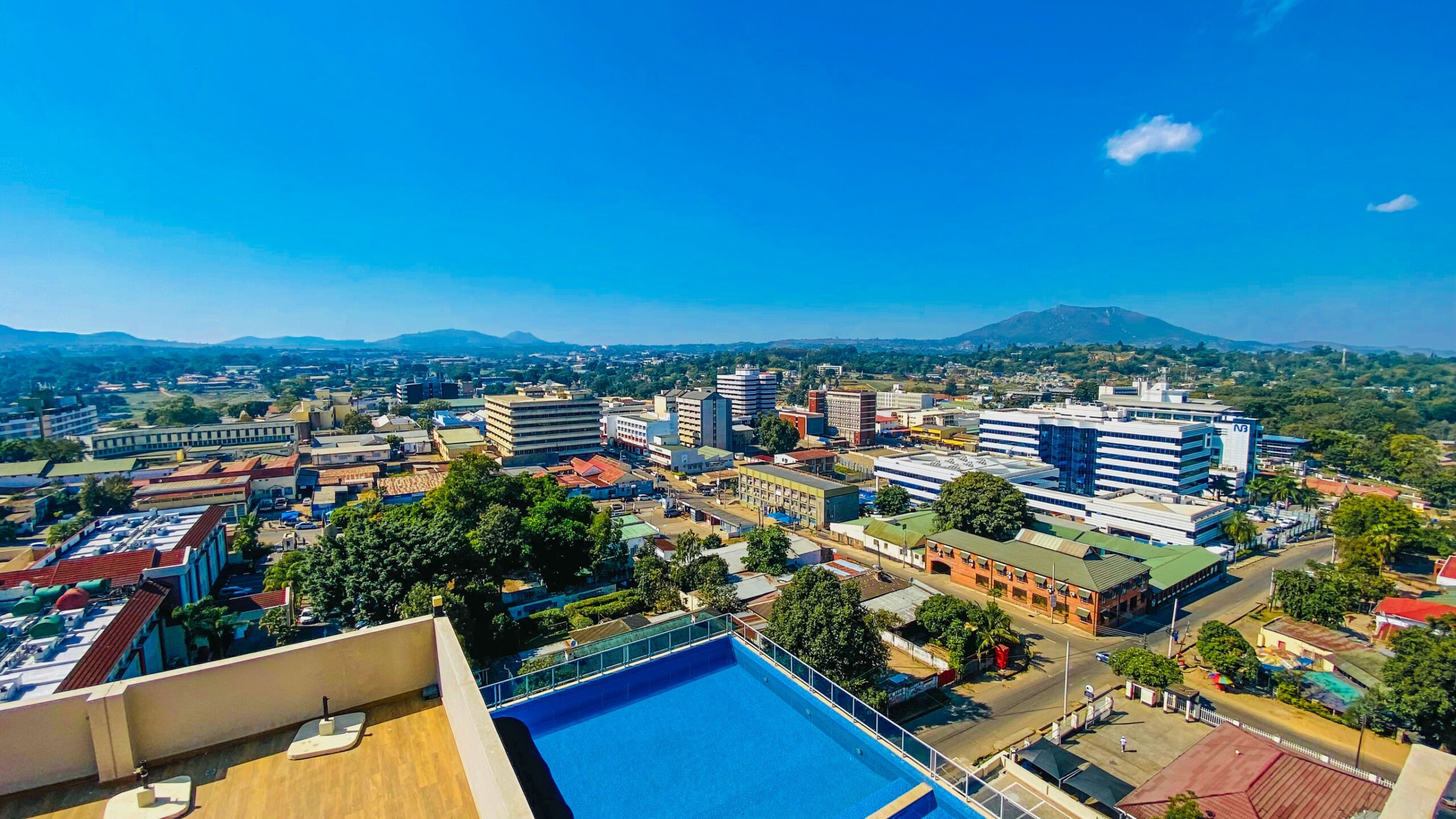
Malawi 2026: Charting A New Development Path
‘Pleased To Join All Those Who Support International Justice’: South Africa’s First Female Nobel Peace Prize Laureate On Upholding The Rule Of Law
‘Pleased To Join All Those Who Support International Justice’: South Africa’s First Female Nobel Peace Prize Laureate On Upholding The Rule Of Law
The Daily Brief