

Miniso’s Global Ambitions Offer Lessons for African Retail Expansion
Forbes’ latest profile of Miniso founder Ye Guofu examines an affordable lifestyle retailer expanding internationally. Its growth offers useful questions for African retailers about pricing, store formats, local tastes and brand differentiation.


International retail expansion is not simply a matter of opening more stores. It requires a repeatable format, a clear price proposition, reliable supply chains and an understanding of what customers want in each market.
Forbes China reported on October 23 on Miniso founder Ye Guofu and the company’s global ambitions. The retailer has built an international presence around affordable lifestyle goods, beauty products, toys and character-led merchandise. Its strategy highlights how product curation and store experience can help a retailer distinguish itself in a crowded market.
Scale needs a consistent proposition
A recognisable store format and a carefully selected range can help customers understand what a brand offers. But growth across borders brings operational complexity: inventory must arrive on time, product quality must be consistent and pricing must reflect local purchasing power, import costs and exchange-rate movements.
What African retailers can learn
Retailers expanding across African markets should avoid assuming that a product mix that works in one city will work everywhere. Local research can reveal differences in preferred categories, spending patterns, seasonal demand and the role of online shopping. Partnerships with local suppliers and logistics providers can also help companies respond to demand while managing costs.
Brand differentiation matters as much as low prices. Retailers need to understand whether customers return for product quality, convenience, store experience, exclusive designs or a combination of factors. Without that clarity, expansion can increase fixed costs without creating lasting loyalty.
Four questions before entering a new market
- Customer fit: Is there evidence of demand for the proposed range and price point?
- Supply chain: Can the company maintain availability and quality while controlling logistics costs?
- Unit economics: Do store-level margins remain viable after rent, staffing, duties and currency movements?
- Local adaptation: Which products, promotions and payment options should change for the market?
Miniso’s international story is a reminder that retail growth depends on more than store counts. Sustainable expansion requires a proposition customers understand, operational discipline and an ability to adapt without losing the core of the brand. For African retailers, those fundamentals matter whether the next location is in another Nigerian city or a neighbouring country.
Source note
This independently written Forbes.ng analysis is informed by Forbes China’s October 23, 2026 profile of Miniso founder Ye Guofu and the retailer’s international expansion. Visit Forbes.com for Forbes’ global coverage.
The Daily Brief
Get the daily FORBES.NG briefing.
Comments (0)
Sign in to join the conversation.
Related Stories

Nigeria’s Top Four Billionaires: Their Businesses, Success Stories and Pictures
Meet Aliko Dangote, Abdulsamad Rabiu, Mike Adenuga and Femi Otedola in a picture-led profile exploring their business journeys and influence across Nigeria’s economy.

Valencia CF’s $1.4 Billion Deal Puts Kiat Lim’s Leadership Under the Spotlight
A consortium backed by KKR cofounders has agreed to buy a 42% stake in Valencia CF, while Peter Lim retains control and Kiat Lim remains club president. The deal highlights the leadership and capital decisions behind a major sports-business transition.

Buyers Are Prioritising Resilient Businesses. What Nigerian Owners Should Know
Recent business-sale reporting points to continued buyer interest in companies with dependable earnings and clean records. For Nigerian founders considering an exit, resilience is built well before a sale process begins.
More from Yewande Cole
Nigeria’s Top Four Billionaires: Their Businesses, Success Stories and Pictures
Meet Aliko Dangote, Abdulsamad Rabiu, Mike Adenuga and Femi Otedola in a picture-led profile exploring their business journeys and influence across Nigeria’s economy.
Valencia CF’s $1.4 Billion Deal Puts Kiat Lim’s Leadership Under the Spotlight
A consortium backed by KKR cofounders has agreed to buy a 42% stake in Valencia CF, while Peter Lim retains control and Kiat Lim remains club president. The deal highlights the leadership and capital decisions behind a major sports-business transition.
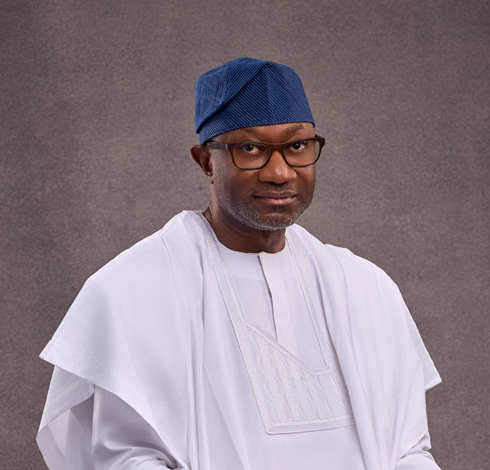
Femi Otedola’s Next Big Bet: Banking, Ownership and the Future of First HoldCo
After building a fortune across energy and power, Nigerian investor Femi Otedola is concentrating his attention on First HoldCo, where a series of share purchases has made him a central figure in the group’s future.
Recommended

The Robotics Race Needs Better Data. Why It Matters for African Tech

Which Business Tasks Will AI Automate First? A Practical Guide for Nigerian Companies

AI Is Changing Cybersecurity. Nigerian Businesses Must Prepare Before the Next Attack

‘Sleeping At Petrol Stations’: The Fuel Crisis Gripping Landlocked Malawi
The Daily Brief