

Buyers Are Prioritising Resilient Businesses. What Nigerian Owners Should Know
Recent business-sale reporting points to continued buyer interest in companies with dependable earnings and clean records. For Nigerian founders considering an exit, resilience is built well before a sale process begins.


For business owners thinking about selling, a strong headline revenue figure may not be enough to attract serious buyers. Predictable cash flow, reliable records and an operation that can function without the founder are often central to how buyers assess risk.
Forbes reported on October 23, citing quarterly data from BizBuySell, that buyers in the United States were particularly interested in smaller companies with steady performance and comparatively resilient demand. That market is not a direct proxy for Nigeria, but the underlying questions buyers ask—whether earnings are repeatable and risks are understood—are relevant to business transfers in many markets.
Make the numbers dependable
Owners should keep current financial statements, reconcile bank records, document tax obligations and separate personal expenses from business costs. Buyers need to understand where revenue comes from, whether customers return and how much cash the business generates after operating costs.
Reduce dependence on one person or customer
A company that relies on its founder for every major sale or decision may be harder to transfer. Documented processes, a capable management team, supplier alternatives and a diversified customer base can make operations more durable and easier for a buyer to evaluate.
Be transparent about risks
Outstanding disputes, informal ownership arrangements, unclear intellectual-property rights or incomplete contracts can delay a transaction. Early advice from accountants, lawyers and relevant advisers can help owners identify issues before due diligence begins. Sellers should not disguise weaknesses; undisclosed problems can damage trust and derail negotiations.
A practical preparation checklist
- Prepare several years of consistent financial and tax records where available.
- Identify customer and supplier concentration risks.
- Document key operating procedures and management responsibilities.
- Review contracts, licences, assets, liabilities and ownership records.
- Build a realistic transition plan for employees, customers and the incoming owner.
There is no guarantee that a well-prepared company will sell quickly or at a particular valuation. Market conditions, financing costs, sector prospects and buyer appetite all matter. But transparent records and resilient operations can help a business withstand scrutiny and give potential buyers a clearer basis for making an offer.
Source note
This Forbes.ng analysis is independently written and locally contextualised, drawing on Forbes’ October 23, 2026 reporting on buyer demand for resilient small businesses and BizBuySell data. Visit Forbes.com for the original publisher’s coverage.
The Daily Brief
Get the daily FORBES.NG briefing.
Comments (0)
Sign in to join the conversation.
Related Stories

Nigeria’s Top Four Billionaires: Their Businesses, Success Stories and Pictures
Meet Aliko Dangote, Abdulsamad Rabiu, Mike Adenuga and Femi Otedola in a picture-led profile exploring their business journeys and influence across Nigeria’s economy.

Valencia CF’s $1.4 Billion Deal Puts Kiat Lim’s Leadership Under the Spotlight
A consortium backed by KKR cofounders has agreed to buy a 42% stake in Valencia CF, while Peter Lim retains control and Kiat Lim remains club president. The deal highlights the leadership and capital decisions behind a major sports-business transition.

Miniso’s Global Ambitions Offer Lessons for African Retail Expansion
Forbes’ latest profile of Miniso founder Ye Guofu examines an affordable lifestyle retailer expanding internationally. Its growth offers useful questions for African retailers about pricing, store formats, local tastes and brand differentiation.
More from Adaeze Okafor
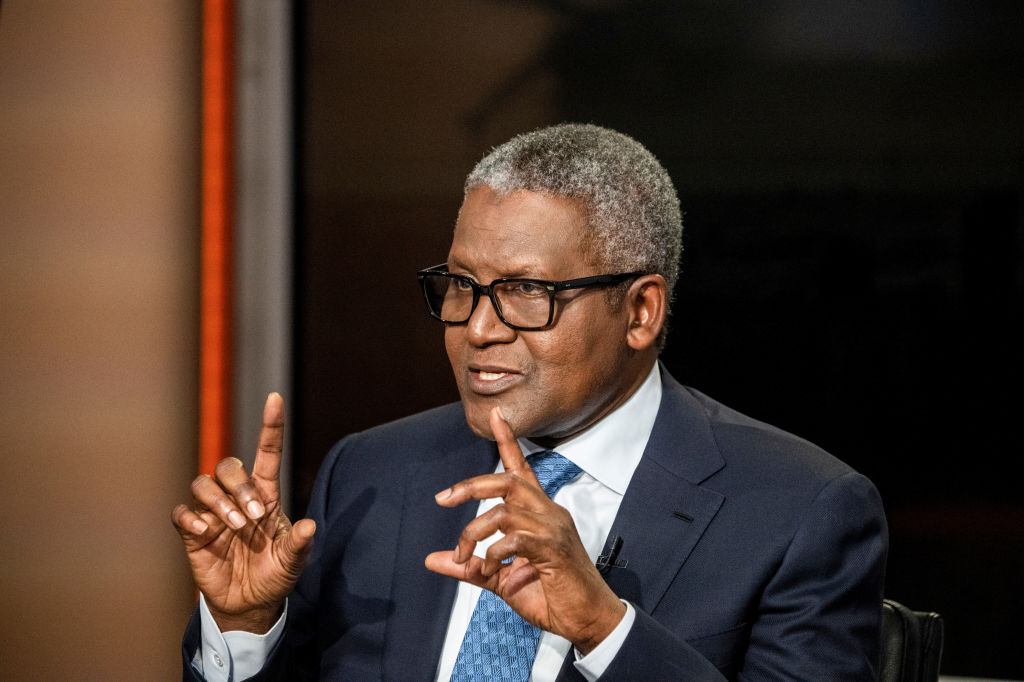
Aliko Dangote
A detailed profile of Nigerian industrialist Aliko Dangote, from his early commodity-trading career to the growth of Dangote Group, cement manufacturing, refining and philanthropy.
From One Lagos Gym to 30 Locations: i-Fitness Eyes West African Expansion
Nigerian fitness chain i-Fitness is building a wider gym network after private-equity investment, with Accra and Abidjan under consideration as potential first international markets.
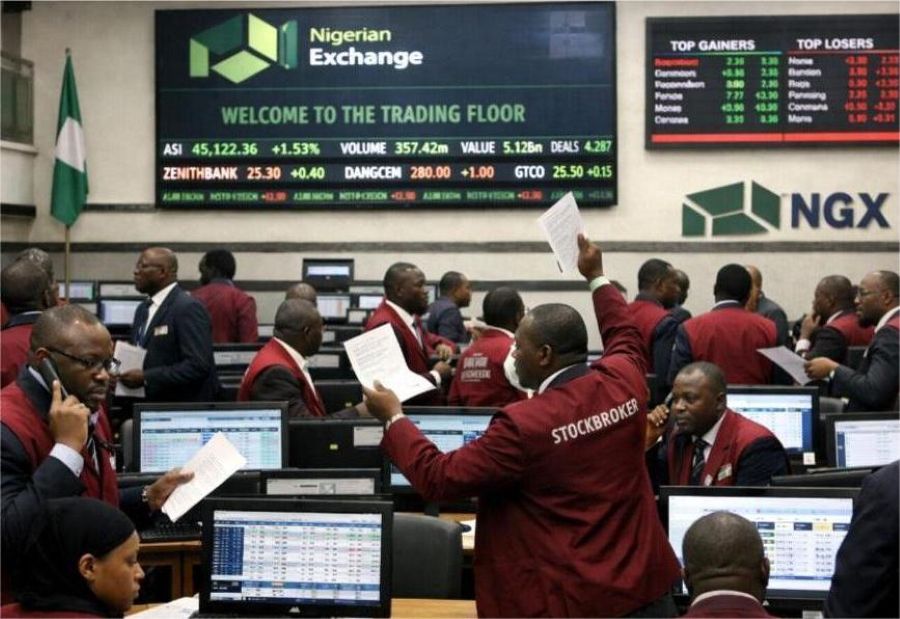
Africa’s Financial Markets Improve, but High Borrowing Costs Persist
African financial markets are becoming more developed, but high borrowing costs, limited liquidity and foreign-exchange constraints continue to limit access to affordable financing, according to the 2026 Absa Africa Financial Markets Index.
Recommended

The Robotics Race Needs Better Data. Why It Matters for African Tech

Which Business Tasks Will AI Automate First? A Practical Guide for Nigerian Companies

AI Is Changing Cybersecurity. Nigerian Businesses Must Prepare Before the Next Attack

‘Sleeping At Petrol Stations’: The Fuel Crisis Gripping Landlocked Malawi
The Daily Brief