

Nigeria’s Top Four Billionaires: Their Businesses, Success Stories and Pictures
Meet Aliko Dangote, Abdulsamad Rabiu, Mike Adenuga and Femi Otedola in a picture-led profile exploring their business journeys and influence across Nigeria’s economy.

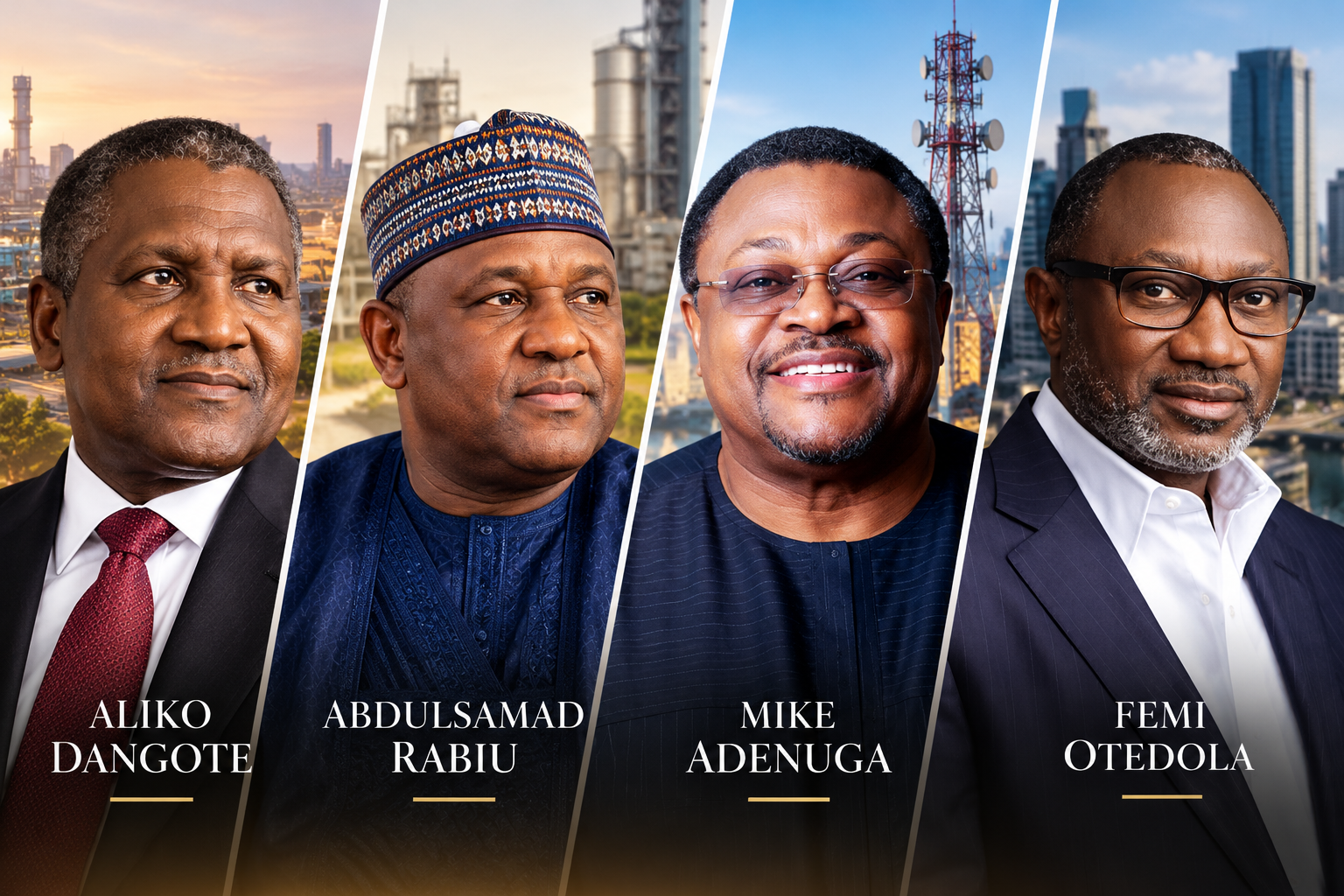
BUSINESS | PICTURE STORY
Nigeria’s Top Four Billionaires: Their Businesses, Success Stories and Pictures
From large-scale industrial production and telecommunications to energy and strategic investments, four of Nigeria’s most prominent billionaires have built business interests across industries that shape the country’s economy. Meet Aliko Dangote, Abdulsamad Rabiu, Mike Adenuga and Femi Otedola, and explore the businesses behind their success.
1. Aliko Dangote: Building an Industrial Empire

Aliko Dangote is one of Africa’s best-known industrialists and the founder of Dangote Group, a Nigerian conglomerate with business interests spanning cement, food processing, fertiliser and petroleum refining. His career has become closely associated with large-scale manufacturing and investment in industries that supply essential products to businesses and consumers.
Dangote began his business career in commodity trading before expanding into manufacturing. Over time, his group developed interests in products such as sugar, salt, flour and cement. The strategy helped establish the company as a major participant in Nigeria’s industrial sector and created a platform for further expansion across African markets.
Cement has been one of the most important pillars of the group. Through Dangote Cement, the business has developed substantial production capacity to serve construction markets. Cement is essential to housing, roads, commercial buildings and other infrastructure, making production and distribution significant parts of the wider economy.
Another major undertaking is the Dangote Petroleum Refinery, a large investment in domestic petroleum processing. The refinery has drawn considerable attention because of its potential role in Nigeria’s petroleum supply chain. Its long-term impact depends on factors including production, distribution, operating costs and market conditions.
Dangote’s business approach has focused on industries with broad demand and substantial barriers to entry. These businesses require major capital investment, logistics networks, reliable infrastructure and long-term planning. Their scale also means that pricing, competition and market concentration can attract public and regulatory scrutiny.
His business journey illustrates how commodity trading can develop into a broad industrial operation. Through investments in manufacturing and energy infrastructure, Dangote has become a central figure in discussions about domestic production, industrialisation and the role of private investment in Nigeria’s economic development.
2. Abdulsamad Rabiu: Expanding Through Manufacturing and Investment
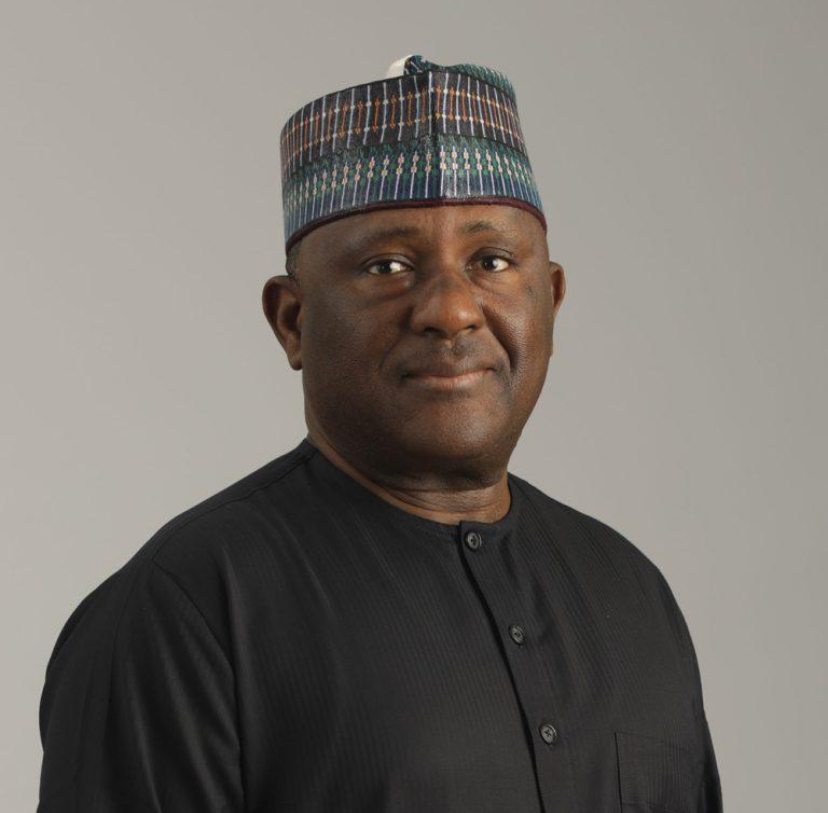
Abdulsamad Rabiu is a Nigerian businessman and the founder of BUA Group, a diversified company with interests in manufacturing, cement, food processing and other industrial activities. His career reflects the development of businesses serving essential consumer and construction markets.
Rabiu built his commercial interests through trading before expanding into industrial operations. Under his leadership, BUA developed businesses in sectors where production capacity, distribution and long-term capital investment are central to competitiveness.
Cement is one of the group’s most prominent areas of activity. Through BUA Cement, the company participates in a market that supports housing, commercial construction and public infrastructure. Demand is influenced by urbanisation, construction activity and the pace of investment in roads, buildings and other projects.
BUA also has interests in food production and processing. These businesses connect the group to essential consumer markets and parts of the agricultural value chain. Processing operations can turn raw materials into finished products, although profitability depends on production costs, energy, transportation and consumer demand.
Building and operating large manufacturing businesses presents significant challenges. Companies must manage foreign-exchange movements, energy costs, financing conditions, infrastructure gaps and competition while maintaining production and investing for growth.
Rabiu’s business profile demonstrates the opportunities available to entrepreneurs who invest in industries serving large domestic markets. Through BUA Group, he has established a substantial presence in sectors connected to construction, food supply and industrial development.
3. Mike Adenuga: Telecommunications, Oil and Gas
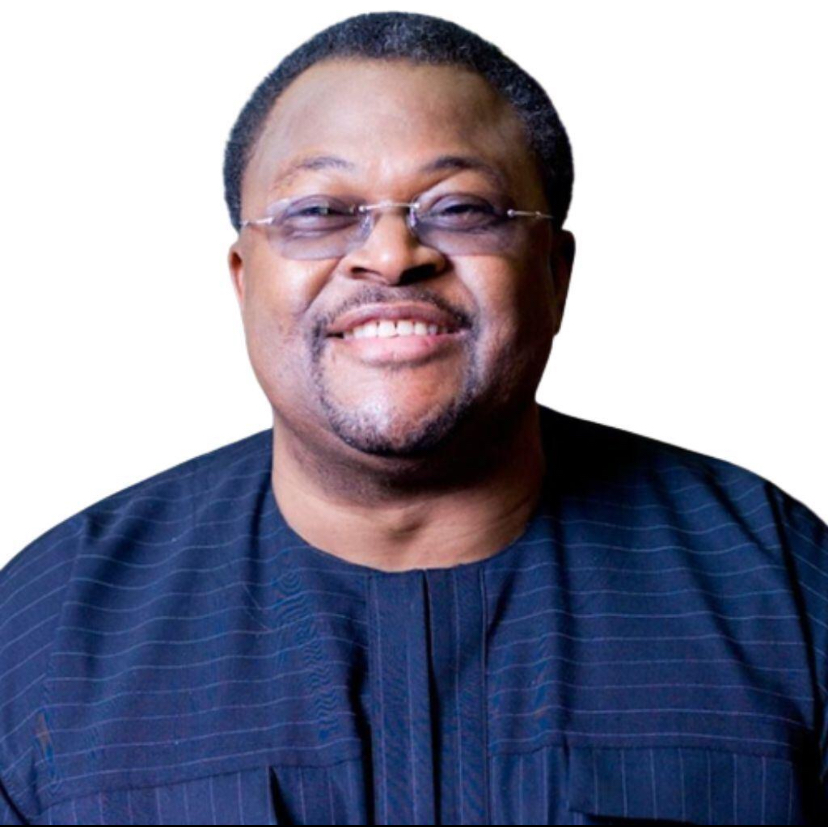
Mike Adenuga is a Nigerian entrepreneur whose business interests include telecommunications and oil and gas. He is widely associated with Globacom, one of Nigeria’s major telecommunications operators, and Conoil, a company with interests in the petroleum sector.
Adenuga’s business career spans industries that play important roles in the country’s commercial life. Telecommunications supports communication, digital services and business transactions, while the energy sector remains important to transportation, manufacturing and the wider economy.
Globacom entered Nigeria’s telecommunications market in 2003. Since then, the industry has become increasingly important to daily life and commercial activity. Mobile services support personal communication, digital payments, online businesses, entertainment and corporate operations.
Telecommunications is a capital-intensive industry. Operators need continued investment in network infrastructure, technology, customer service and distribution. They must also respond to changing data usage, consumer expectations, regulation and the cost of maintaining reliable connectivity.
Adenuga’s interests also extend to oil and gas through Conoil. Petroleum-related businesses operate in a market influenced by global prices, regulation, supply chains, infrastructure and domestic demand. These conditions can create opportunities while exposing businesses to considerable commercial risks.
His portfolio illustrates one approach to building a business presence across different sectors. Telecommunications and energy have distinct operating models, investment needs and market risks, requiring different approaches to management and long-term planning.
Although Adenuga generally maintains a relatively low public profile, his businesses have given him a lasting place in Nigeria’s corporate landscape. His career highlights the role of private investment in communications infrastructure and energy-related commerce.
4. Femi Otedola: Energy, Investments and Business Transformation
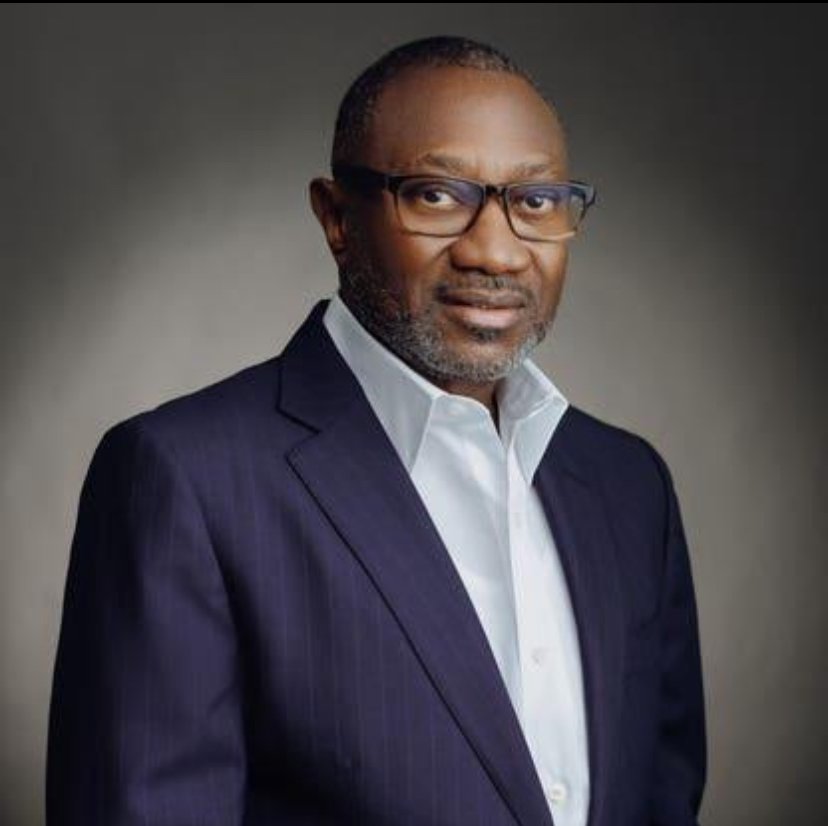
Femi Otedola is a Nigerian businessman and investor whose career has included major involvement in the energy industry and investments in other companies. He became widely known through petroleum marketing and energy-related business activities.
The energy sector has played an important role in Otedola’s commercial story. Businesses operating in petroleum supply and distribution must navigate global oil prices, exchange-rate movements, logistics costs, government policy and changes in domestic demand.
Otedola’s career has also involved changes in business strategy and the allocation of investment capital. His activities have included moving between operating businesses and investments in established companies, illustrating how entrepreneurs can adapt their portfolios as markets and commercial priorities change.
He has also been associated with Nigeria’s financial services sector, including through his involvement with First Bank of Nigeria Holdings. Financial institutions support savings, lending, payments and the financing of businesses and households, making them central to the functioning of the economy.
Investing in an established company differs from managing a privately owned operating business. Investors must consider financial performance, corporate governance, capital allocation, management decisions and the long-term outlook for the industry.
Otedola’s business journey illustrates how an entrepreneur can move from operating in a particular industry to taking broader positions in corporate investments. It also highlights the importance of strategic decisions about where to deploy capital and how to respond to changing business conditions.
His career continues to attract attention because of his participation in major commercial transactions and his investments in companies that serve important parts of Nigeria’s economy.
Four Different Paths to Business Success
Aliko Dangote, Abdulsamad Rabiu, Mike Adenuga and Femi Otedola have built their business interests through different industries and strategies. Dangote and Rabiu have substantial interests in manufacturing and industrial production. Adenuga is strongly associated with telecommunications and oil and gas, while Otedola’s career has combined energy-related businesses with broader investments.
Their experiences demonstrate that there is no single route to building a major business. Some entrepreneurs focus on manufacturing essential goods, while others invest in communications infrastructure, energy supply or established companies.
Their businesses also operate in an economy shaped by a large consumer market, infrastructure needs, currency movements, financing costs and changing policy conditions. Their performance and investment decisions remain relevant to discussions about entrepreneurship, industrial growth, employment and the future of Nigeria’s private sector.
Together, these four business leaders represent important parts of Nigeria’s commercial landscape. Their stories offer different perspectives on building companies, managing investment and pursuing growth in one of Africa’s largest economies.
Editorial note: Billionaire rankings and estimated net worth change over time. Any ranking or wealth figures added to this article should be verified against a dated source before publication.
The Daily Brief
Get the daily FORBES.NG briefing.
Comments (0)
Sign in to join the conversation.
Related Stories

Valencia CF’s $1.4 Billion Deal Puts Kiat Lim’s Leadership Under the Spotlight
A consortium backed by KKR cofounders has agreed to buy a 42% stake in Valencia CF, while Peter Lim retains control and Kiat Lim remains club president. The deal highlights the leadership and capital decisions behind a major sports-business transition.

Miniso’s Global Ambitions Offer Lessons for African Retail Expansion
Forbes’ latest profile of Miniso founder Ye Guofu examines an affordable lifestyle retailer expanding internationally. Its growth offers useful questions for African retailers about pricing, store formats, local tastes and brand differentiation.

Buyers Are Prioritising Resilient Businesses. What Nigerian Owners Should Know
Recent business-sale reporting points to continued buyer interest in companies with dependable earnings and clean records. For Nigerian founders considering an exit, resilience is built well before a sale process begins.
More from Yewande Cole
Valencia CF’s $1.4 Billion Deal Puts Kiat Lim’s Leadership Under the Spotlight
A consortium backed by KKR cofounders has agreed to buy a 42% stake in Valencia CF, while Peter Lim retains control and Kiat Lim remains club president. The deal highlights the leadership and capital decisions behind a major sports-business transition.
Miniso’s Global Ambitions Offer Lessons for African Retail Expansion
Forbes’ latest profile of Miniso founder Ye Guofu examines an affordable lifestyle retailer expanding internationally. Its growth offers useful questions for African retailers about pricing, store formats, local tastes and brand differentiation.

Femi Otedola’s Next Big Bet: Banking, Ownership and the Future of First HoldCo
After building a fortune across energy and power, Nigerian investor Femi Otedola is concentrating his attention on First HoldCo, where a series of share purchases has made him a central figure in the group’s future.
Recommended

The Robotics Race Needs Better Data. Why It Matters for African Tech

Which Business Tasks Will AI Automate First? A Practical Guide for Nigerian Companies

AI Is Changing Cybersecurity. Nigerian Businesses Must Prepare Before the Next Attack

‘Sleeping At Petrol Stations’: The Fuel Crisis Gripping Landlocked Malawi
The Daily Brief