

Ethiopis Tafara Highlights Investment Potential of Lusophone Africa, Urges Countries to Turn Opportunities Into Jobs
Ethiopis Tafara, vice president of the International Finance Corporation (IFC), has highlighted the economic potential of Portuguese-speaking African countries, calling for stronger regional cooperation, greater mobilization of private capital and investment that generates jobs and promotes inclusive growth. Speaking at the opening of the second edition of the Lusophone Africa Investment Forum, held on Sal …

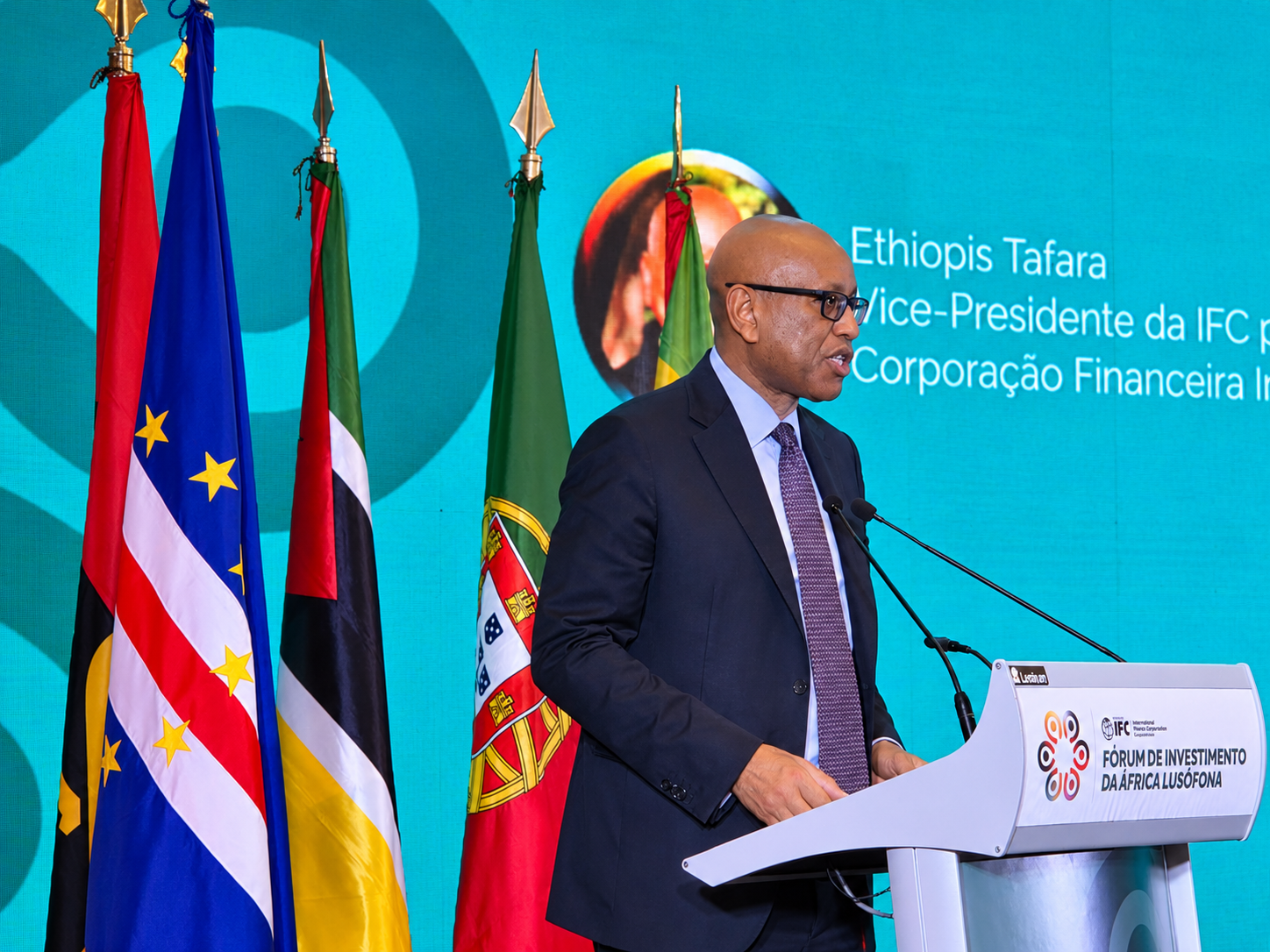
Ethiopis Tafara, vice president of the International Finance Corporation (IFC), has highlighted the economic potential of Portuguese-speaking African countries, calling for stronger regional cooperation, greater mobilization of private capital and investment that generates jobs and promotes inclusive growth.
Speaking at the opening of the second edition of the Lusophone Africa Investment Forum, held on Sal Island in Cabo Verde, Tafara said the continuation of the event demonstrated the World Bank Group’s commitment, particularly that of the IFC, to the economic development of Portuguese-speaking African markets.
“This second edition sends a clear message: the World Bank Group, and the IFC in particular, is committed to Lusophone Africa. We are here for the long term,” he said.
Tafara recalled that the inaugural forum attracted more than 220 participants, adding that the second gathering confirmed growing interest in investment opportunities across these markets.
He thanked the government of Cabo Verde for hosting the event and for its role in promoting dialogue and cooperation among Portuguese-speaking African economies.
He also congratulated the acting president of the Republic of Cabo Verde on her election as president of the National Assembly, highlighting the historic significance of a woman assuming the position and its importance for women’s leadership in Africa.
Regional Integration as a Driver of Investment
According to Tafara, the historical and linguistic ties connecting Portuguese-speaking African countries must be matched by deeper economic integration, transforming fragmented national markets into interconnected economic spaces.
The forum brings together representatives from Angola, Cabo Verde, Guinea-Bissau, Mozambique, São Tomé and Príncipe, and Equatorial Guinea. Collectively, these six countries represent a market of nearly 80 million people, with an estimated combined annual gross domestic product (GDP) of approximately $164 billion.
While the economies differ in size, productive capacity and levels of development, Tafara said they possess complementary advantages that could stimulate trade, attract investment and develop regional value chains.
Angola and Mozambique, he noted, occupy strategic positions along major transport corridors, serving as gateways to the markets of landlocked countries. These corridors connect 10 countries and more than 100 million people.
Meanwhile, Cabo Verde and the countries along the Gulf of Guinea benefit from strategic Atlantic Ocean locations, natural resources, agricultural potential, energy opportunities and favorable conditions for tourism development.
“Connected, these six economies tell a very different story from the one they tell individually,” he observed, arguing that greater market integration could expand business opportunities and make investments more attractive.
Economic Corridors and Energy at the Center of the Strategy
Under the theme Unlocking Corridors, Growing Agribusiness and Boosting Sustainable Tourism, the second edition of the forum seeks to bring governments, investors, financial institutions and businesses together around sectors considered critical to economic growth.
On economic corridors, Tafara emphasized the importance of ports, airports, roads, railways, energy networks and digital infrastructure in facilitating the movement of people, goods, services and capital.
He argued that physical and digital infrastructure must be developed in tandem, as both can improve business productivity, facilitate access to financing and connect producers with markets.
Economic corridors, he added, should not be viewed merely as transport projects, but as instruments for stimulating productive activity, encouraging industrial transformation and creating jobs along trade routes.
In the energy sector, he highlighted the presentation of the National Energy Compacts for Cabo Verde and Guinea-Bissau at the forum, describing them as important frameworks for guiding the investment needed to expand access to electricity.
The initiatives align with Mission 300, a program led by the World Bank Group and the African Development Bank that aims to connect 300 million people in sub-Saharan Africa to electricity by 2030.
Tafara also noted that Angola and Mozambique have a combined installed electricity generation capacity of nearly nine gigawatts, including approximately six gigawatts of hydropower.
In his assessment, expanding electricity generation, transmission and regional interconnections could support manufacturing, raw material processing and the development of cross-border value chains.
Agribusiness as a Source of Jobs and Value Creation
Agriculture was identified as another pillar of economic development in Lusophone Africa, particularly in countries where a significant share of the working population depends on the sector for its livelihood.
For Tafara, the challenge is to move beyond economies centered on producing and selling raw materials toward higher-value activities, including food processing, storage, distribution and the development of agribusiness enterprises.
He highlighted the need for investment in cold-chain infrastructure, logistics, technology, financing and mechanisms that connect farmers with consumer markets.
In this context, he referenced the AgriConnect initiative, which seeks to bring together governments, producers, businesses and investors to accelerate the transformation of agrifood systems.
In Angola, the recently launched AgriConnect Compact aims to create up to 700,000 jobs and mobilize up to $1.45 billion in public and private financing by 2030.
Tafara also cited examples of local value-chain development, from integrated food processing in Angola and Mozambique to cashew production in Guinea-Bissau and cocoa production in São Tomé and Príncipe.
Companies including Carrinho, Inalca, Merec, Arrey and Casa Mendes Gonçalves were highlighted as examples of businesses contributing to this transformation.
According to Tafara, the shift from subsistence agriculture to agribusiness can turn livelihood activities into productive enterprises that generate income, employ workers and contribute to the development of rural communities.
Sustainable Tourism to Expand Economic Benefits
Tourism is the forum’s third priority area. Tafara said the sector has the potential to drive employment, develop professional skills and promote economic inclusion.
Despite Africa’s natural, historical and cultural wealth, he noted that the continent accounts for only about 5% of international tourist arrivals.
In 2024, Africa received approximately 74 million international visitors, a figure that, according to his address, highlights the scope for increasing the continent’s share of the global tourism market.
To unlock this potential, Tafara called for a strategy that retains a greater share of tourism revenue within local economies, strengthens domestic supply chains and protects the natural and cultural resources that attract visitors.
The forum is expected to examine conservation and community-based tourism models, including those developed by Gorongosa National Park in Mozambique, HBD on Príncipe Island, and conservation organizations operating across Southern Africa.
Cabo Verde was also presented as an example of collaboration with international hotel brands, demonstrating the potential of private-sector partnerships to develop tourism.
Tafara argued that linking tourism with agriculture, energy and infrastructure could broaden the sector’s economic benefits, creating opportunities for farmers, suppliers, transport operators, small business owners and local communities.
IFC Reaffirms Commitment to Lusophone Africa
In his address, Tafara revealed that the IFC had invested approximately $1.2 billion in Lusophone Africa over the preceding five years.
The institution intends to expand its engagement across the region through direct financing for businesses and projects, investment structuring, public-private partnerships and the mobilization of capital from other investors.
The IFC also works with local financial institutions to improve businesses’ access to financing. In collaboration with the World Bank and the Multilateral Investment Guarantee Agency (MIGA), it can combine public policy reforms, capital, guarantees and political risk insurance instruments to support private-sector projects.
However, Tafara cautioned that attracting investment requires more than presenting opportunities. Investors seek predictable rules, credible partners, reliable infrastructure, financially viable projects and a favorable business environment.
While acknowledging efforts by several governments to improve macroeconomic management and open sectors to private-sector participation, he called for reforms to continue and deepen.
For Tafara, the true impact of reforms is measured by their effective implementation, rather than by government announcements alone.
From Dialogue to Project Delivery
Concluding his address, Tafara urged participants to use the forum to establish concrete partnerships, make investment decisions and translate discussions into projects with measurable outcomes.
He said the forum’s success should be assessed by the tangible benefits it delivers to communities, including farmers gaining access to new markets, businesses expanding their workforces and entrepreneurs selling their products across borders.
“When we meet again, we should measure our progress by what people can see and feel,” he said.
Tafara argued that a shared language, strategic geographic positioning and the potential of younger generations could help Portuguese-speaking African countries build a more integrated platform for investment and development.
“Oceans that once connected these countries through history can connect them again through opportunity,” he said.
The IFC vice president concluded that the primary task for governments, investors and development partners is to build bridges between the resources and capabilities already present in the region’s economies and the opportunities available to their populations.
The ultimate goal, he emphasized, must be to turn those opportunities into sustainable businesses, inclusive growth and, above all, jobs.
The Daily Brief
Get the daily FORBES.NG briefing.
Comments (0)
Sign in to join the conversation.
Related Stories
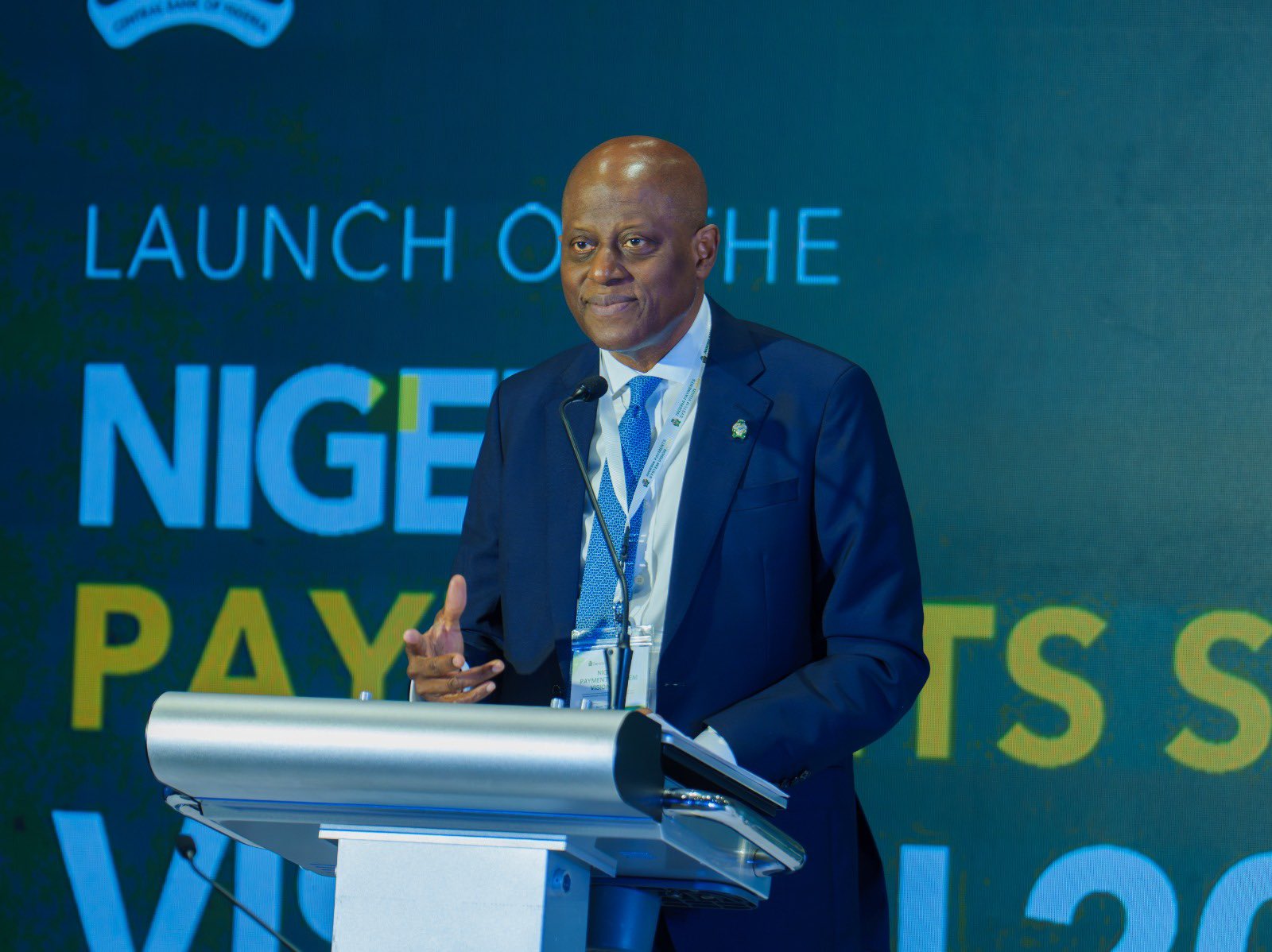
CBN Sets 2028 Target for 95% Financial Inclusion and Faster Digital Payments
The Central Bank of Nigeria’s Payments System Vision 2028 sets targets for wider financial access, faster transactions and lower electronic fraud losses as the country seeks to strengthen its digital finance ecosystem.
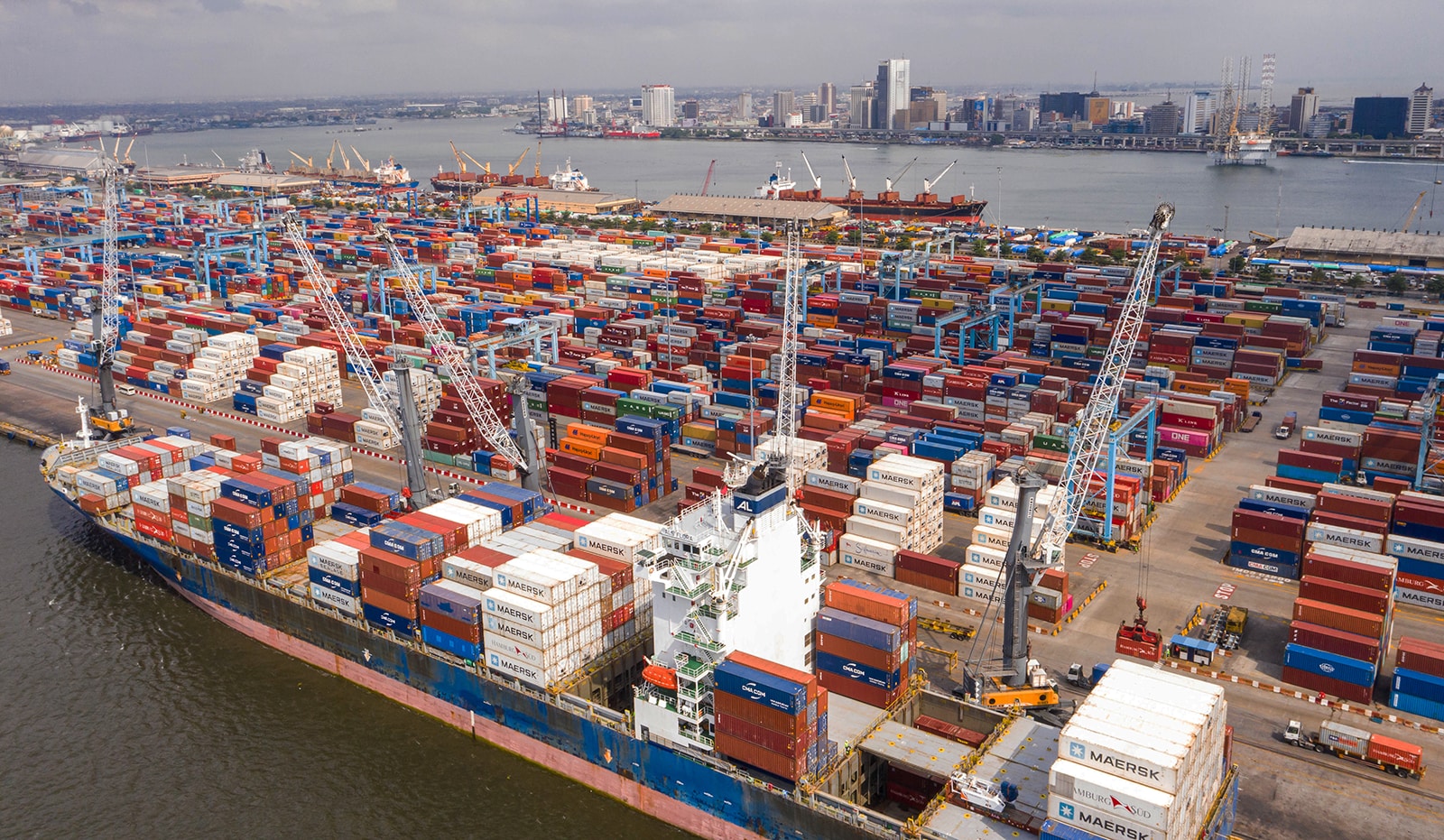
Nigeria’s Q2 2026 Trade Data Shows Export Growth but Highlights Diversification Challenge
Nigeria’s Q2 2026 trade figures point to growth in crude oil and refined petroleum exports, while questions remain over the country’s ability to expand manufactured, agricultural and solid-mineral exports.
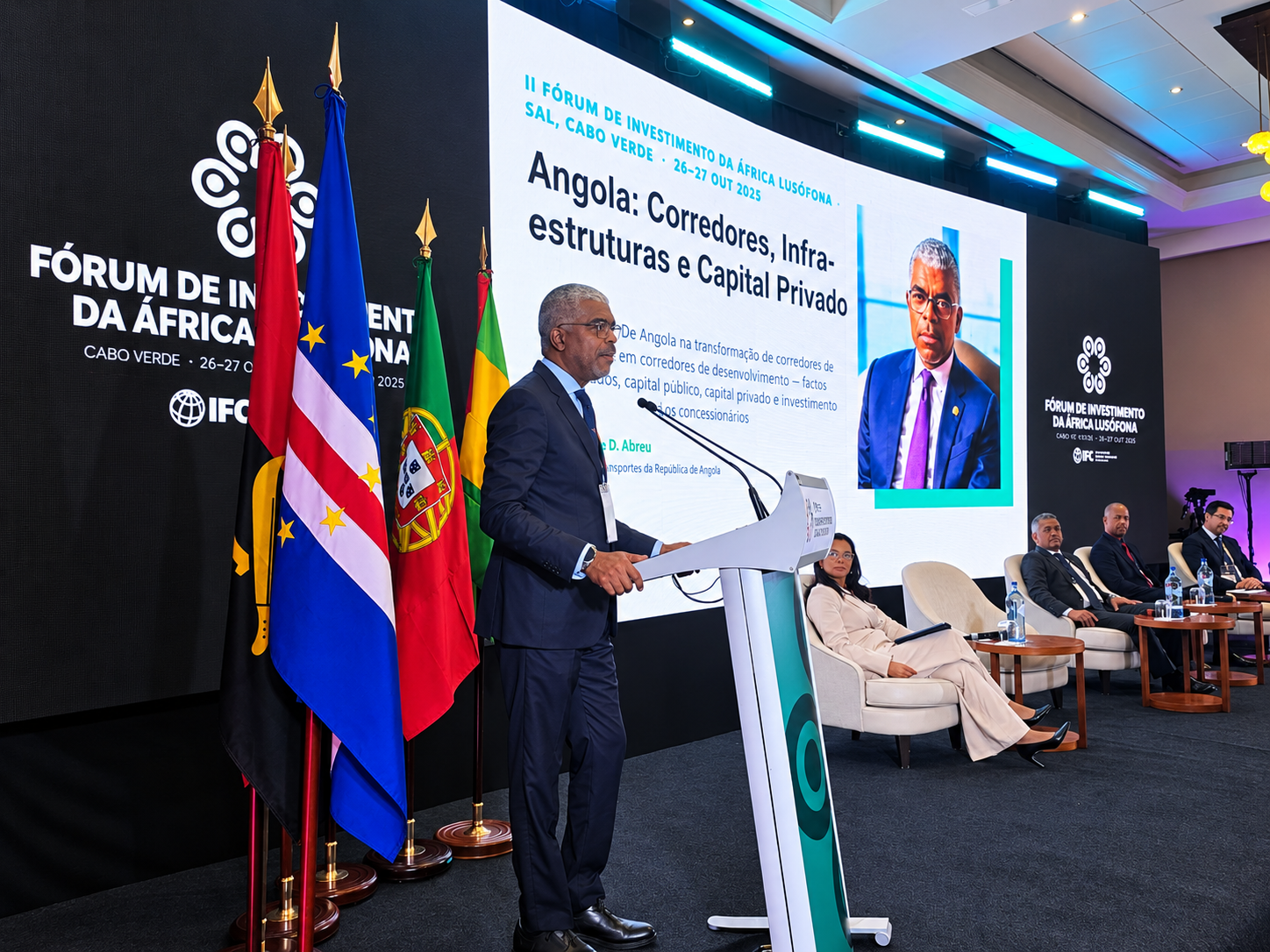
Lobito Corridor Identifies $13 Billion in Business Opportunities
Angola’s Minister of Transport, Ricardo de Abreu, on Monday highlighted more than 144 business opportunities valued at approximately $13 billion under the Lobito Corridor Master Plan. The opportunities span 10 economic sectors across seven Angolan provinces. Speaking at the Lusophone Africa Investment Forum on the challenges and opportunities involved in developing African infrastructure, with a …
More from FORBES.NG
CBN Sets 2028 Target for 95% Financial Inclusion and Faster Digital Payments
The Central Bank of Nigeria’s Payments System Vision 2028 sets targets for wider financial access, faster transactions and lower electronic fraud losses as the country seeks to strengthen its digital finance ecosystem.
Nigeria’s Q2 2026 Trade Data Shows Export Growth but Highlights Diversification Challenge
Nigeria’s Q2 2026 trade figures point to growth in crude oil and refined petroleum exports, while questions remain over the country’s ability to expand manufactured, agricultural and solid-mineral exports.

Larry Ellison’s Net Worth Falls $11 Billion As Oracle Shares Plummet To Four-Month Low
Topline Oracle co-founder Larry Ellison’s estimated net worth fell $11 billion Monday, tumbling as company shares fell to a four-month low after it revealed it is selling $20 billion of debt and equity to possibly fund its artificial intelligence offerings. This story was first published by Forbes Key Facts Ellison’s fortune fell $11 billion to …
Recommended


The Daily Brief