

Lobito Corridor Identifies $13 Billion in Business Opportunities
Angola’s Minister of Transport, Ricardo de Abreu, on Monday highlighted more than 144 business opportunities valued at approximately $13 billion under the Lobito Corridor Master Plan. The opportunities span 10 economic sectors across seven Angolan provinces. Speaking at the Lusophone Africa Investment Forum on the challenges and opportunities involved in developing African infrastructure, with a …

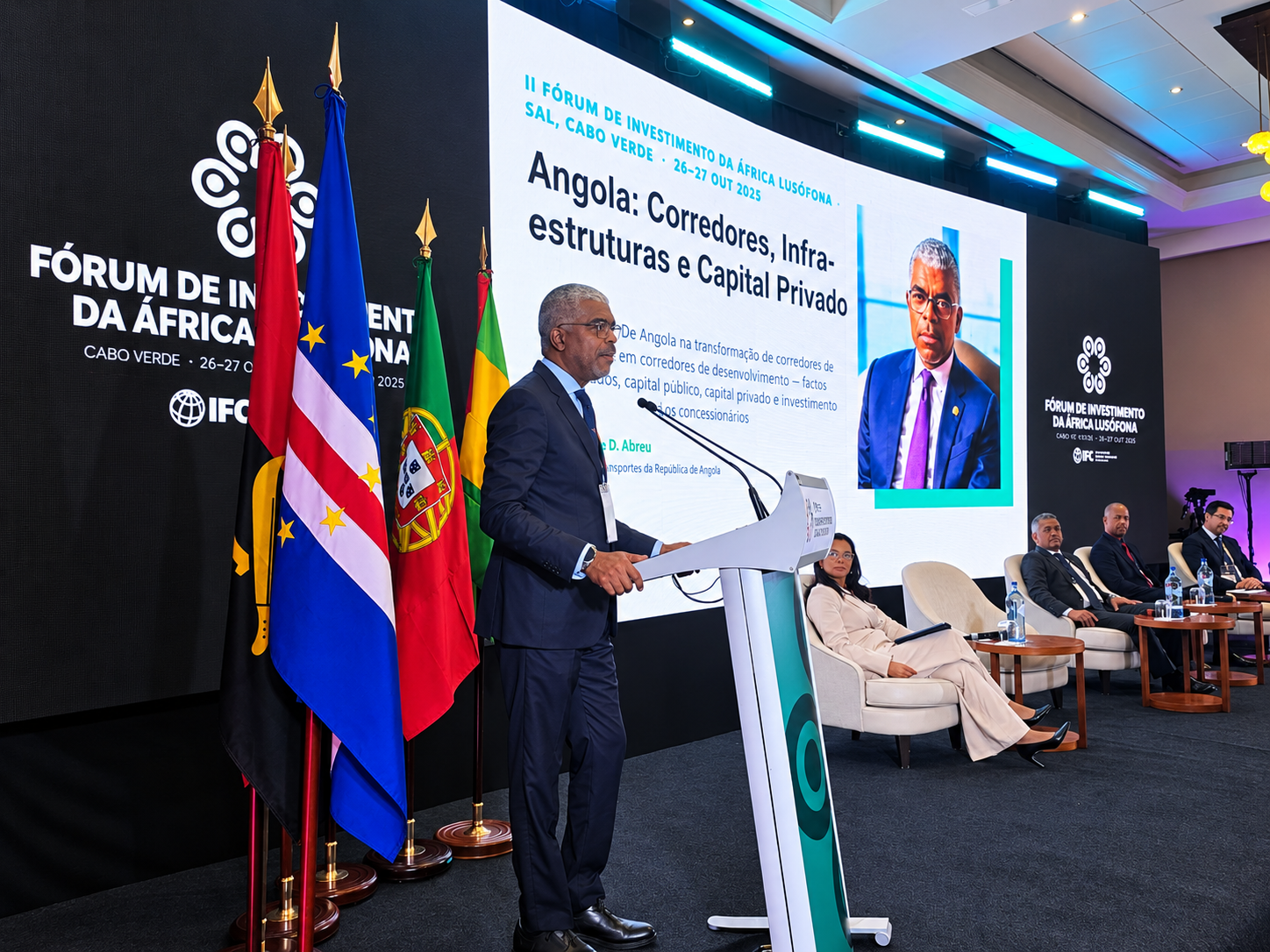
Angola’s Minister of Transport, Ricardo de Abreu, on Monday highlighted more than 144 business opportunities valued at approximately $13 billion under the Lobito Corridor Master Plan. The opportunities span 10 economic sectors across seven Angolan provinces.
Speaking at the Lusophone Africa Investment Forum on the challenges and opportunities involved in developing African infrastructure, with a focus on job creation and economic diversification, de Abreu said the Lobito Corridor was beginning to deliver visible results in railway operations and freight transportation, while creating investment opportunities in other sectors of the economy.
According to de Abreu, the identified opportunities extend beyond transportation and logistics, encompassing strategic areas for economic diversification, food security, energy security and digital transformation.
The minister explained that the Angolan government has adopted a development model combining public investment and private capital through concessions and the creation of institutional, legal and regulatory conditions designed to provide investors with legal certainty.
Within this framework, Angola has completed six concessions while continuing to develop other logistics corridors, including the Northern, Namibe and Cabinda corridors.
Investment and Regional Integration
At the regional level, de Abreu said the development of the Lobito Corridor involves Angola, the Democratic Republic of the Congo (DRC) and Zambia, with the aim of facilitating the movement of goods, stimulating economic activity and creating new business opportunities across the three countries.
The minister said 80 initiatives had been identified in Angola and the DRC, associated with approximately $8.4 billion in investment and technical assistance. Of these, 45 initiatives are currently underway in the region.
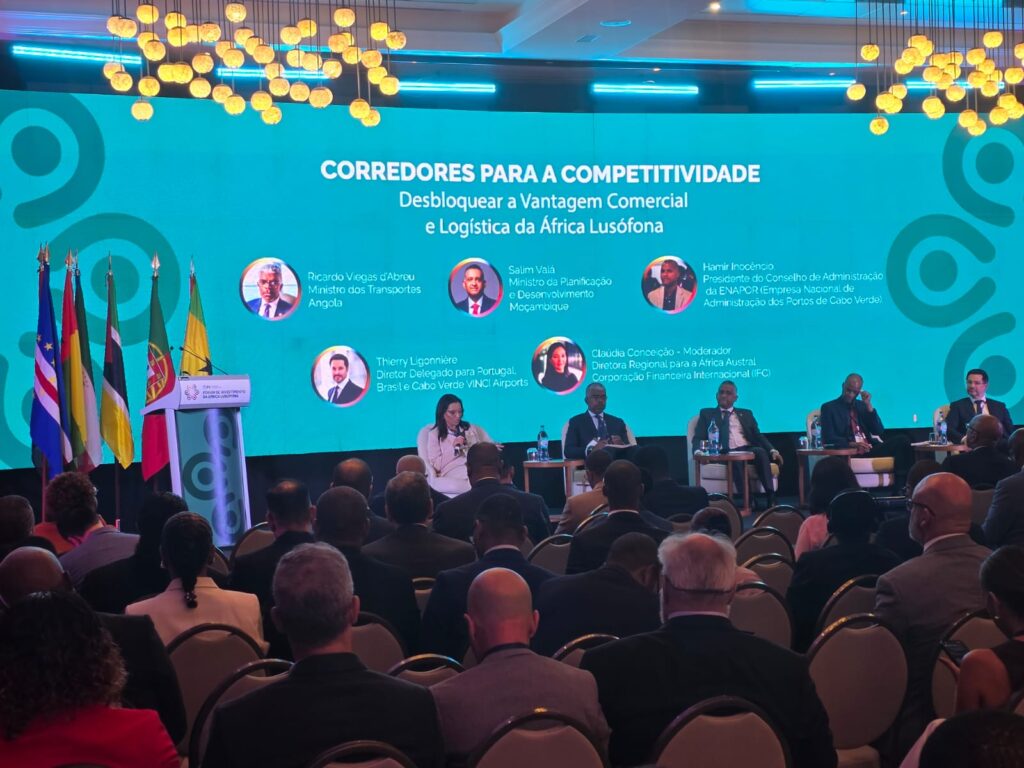
For the minister, local processing of minerals and other goods transported along these corridors is essential to ensuring that the infrastructure functions as a genuine driver of economic development rather than simply serving as a transit route for raw materials.
The strategy also involves strengthening railway connections with other Southern African countries, including links to Zambia and the development of connections that could bring the Atlantic and Indian oceans closer through the integration of regional corridors.
More Than 1,500 Kilometers of Railway Infrastructure
As part of plans to expand Angola’s national railway network, de Abreu highlighted the preparation of a publicly initiated project to connect the Malanje and Menongue railway lines, covering a distance of 738 kilometers.
The minister also pointed to other railway projects under development, including connections within the North-South and regional integration corridors. Together, these projects represent opportunities to build more than 1,500 kilometers of railway infrastructure over the coming years.
De Abreu emphasized that infrastructure expansion should help reduce logistics costs, improve the competitiveness of African economies and create sustainable jobs, particularly for young people.
He therefore called for greater coordination among governments, the private sector, development finance institutions, and bilateral and multilateral partners to mobilize resources for major infrastructure projects and accelerate economic diversification across the continent.
The Daily Brief
Get the daily FORBES.NG briefing.
Comments (0)
Sign in to join the conversation.
Related Stories
Nigeria’s Q2 2026 Trade Data Shows Export Growth but Highlights Diversification Challenge
Nigeria’s Q2 2026 trade figures point to growth in crude oil and refined petroleum exports, while questions remain over the country’s ability to expand manufactured, agricultural and solid-mineral exports.
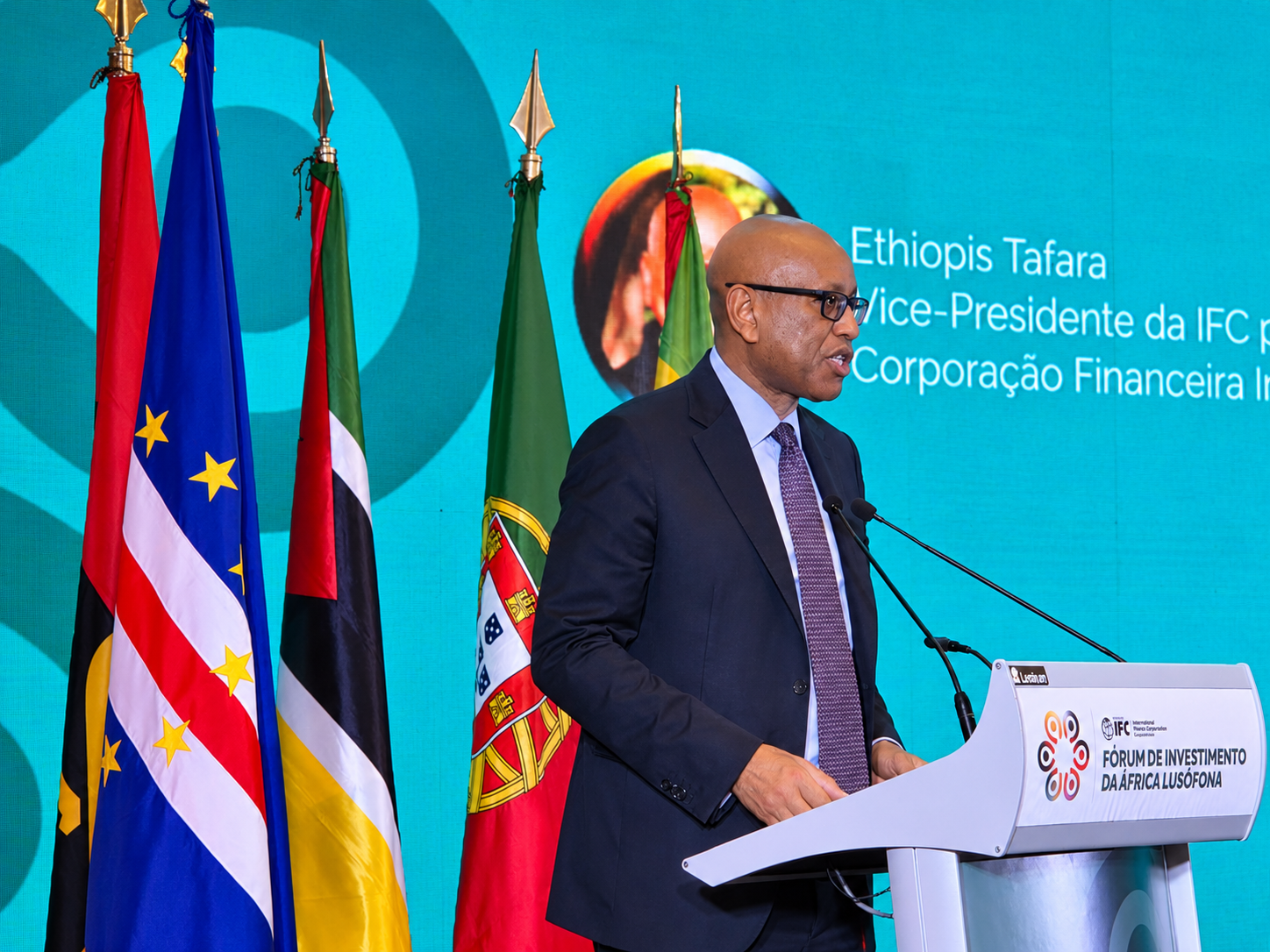
Ethiopis Tafara Highlights Investment Potential of Lusophone Africa, Urges Countries to Turn Opportunities Into Jobs
Ethiopis Tafara, vice president of the International Finance Corporation (IFC), has highlighted the economic potential of Portuguese-speaking African countries, calling for stronger regional cooperation, greater mobilization of private capital and investment that generates jobs and promotes inclusive growth. Speaking at the opening of the second edition of the Lusophone Africa Investment Forum, held on Sal …

Banking Without Borders, Built For Malawi’s Growth
As African economies become increasingly interconnected through trade, infrastructure, and digital finance, banks with continental and global reach are playing a larger role in shaping how businesses grow beyond their domestic markets. In Malawi, Ecobank is positioning itself at the intersection of local enterprise and pan-African opportunity, using its regional network to connect businesses to …
More from FORBES.NG
Nigeria’s Q2 2026 Trade Data Shows Export Growth but Highlights Diversification Challenge
Nigeria’s Q2 2026 trade figures point to growth in crude oil and refined petroleum exports, while questions remain over the country’s ability to expand manufactured, agricultural and solid-mineral exports.

Larry Ellison’s Net Worth Falls $11 Billion As Oracle Shares Plummet To Four-Month Low
Topline Oracle co-founder Larry Ellison’s estimated net worth fell $11 billion Monday, tumbling as company shares fell to a four-month low after it revealed it is selling $20 billion of debt and equity to possibly fund its artificial intelligence offerings. This story was first published by Forbes Key Facts Ellison’s fortune fell $11 billion to …
Ethiopis Tafara Highlights Investment Potential of Lusophone Africa, Urges Countries to Turn Opportunities Into Jobs
Ethiopis Tafara, vice president of the International Finance Corporation (IFC), has highlighted the economic potential of Portuguese-speaking African countries, calling for stronger regional cooperation, greater mobilization of private capital and investment that generates jobs and promotes inclusive growth. Speaking at the opening of the second edition of the Lusophone Africa Investment Forum, held on Sal …
Recommended



The Daily Brief