

Rough Patch: South Africa’s Diamonds Aim To Make The Cut Again
Strolling along the famed V&A Waterfront in Cape Town, South Africa, it’s hard not to marvel at the Atlantic Ocean glistening around you, and Table Mountain standing firm and formidable in the distance. Some of nature’s finest jewels are on display, but today’s motive is about understanding the treasures beneath the Earth’s surface. At the …
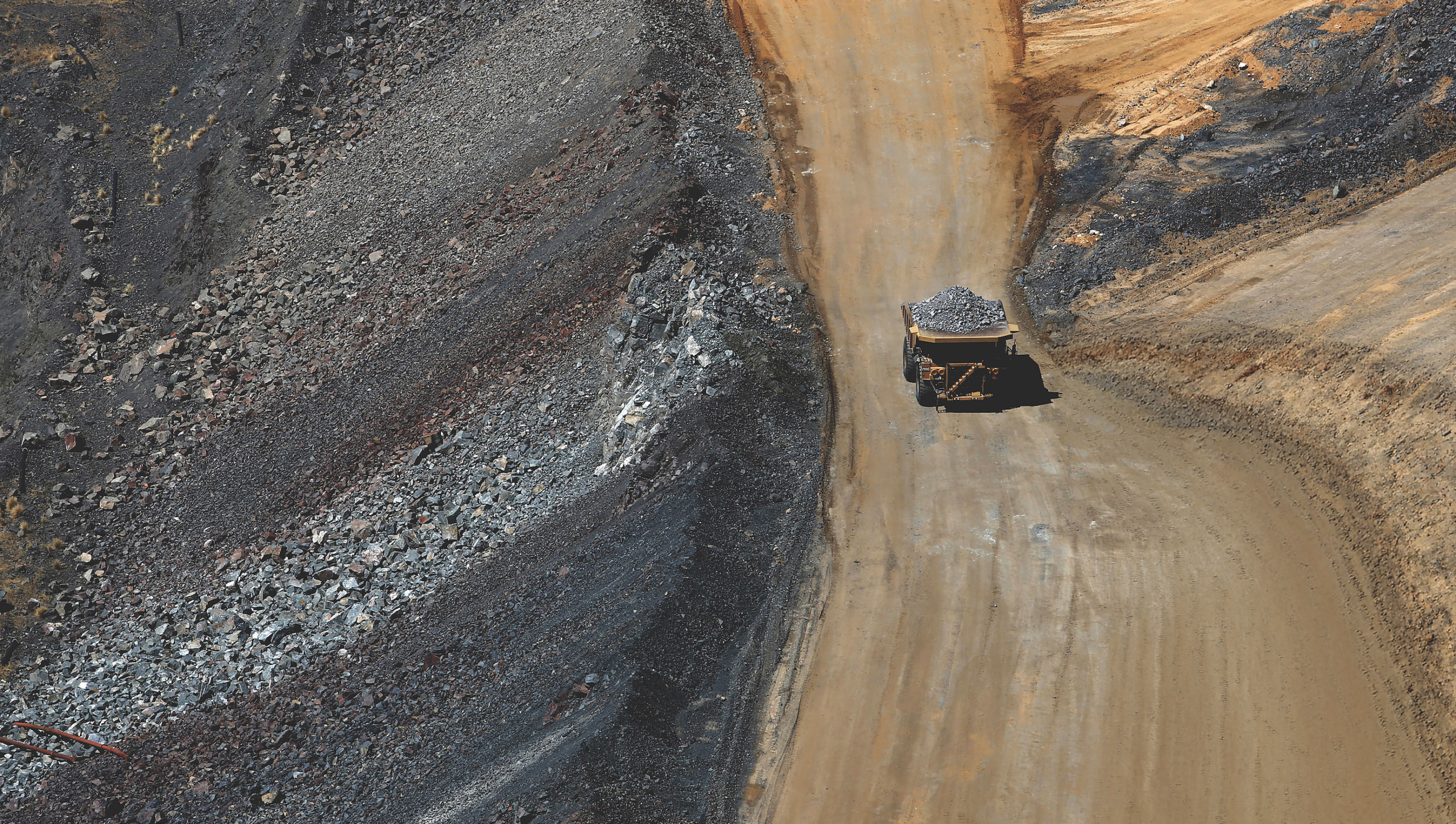
Strolling along the famed V&A Waterfront in Cape Town, South Africa, it’s hard not to marvel at the Atlantic Ocean glistening around you, and Table Mountain standing firm and formidable in the distance. Some of nature’s finest jewels are on display, but today’s motive is about understanding the treasures beneath the Earth’s surface.
At the flagship Shimansky store, we are sitting in Yair Shimansky’s office, mere meters away from the diamonds and jewelry on display and the polishers that bring the rough rocks to life.
A shop assistant enters the room mid-interview. Potential buyers from America have asked for the best price on a diamond ring. Shimansky takes out his loupe and inspects the stone. Like all his diamonds, he had hand-picked this from the source. R980,000 ($61,000), he says; a few minutes later, the group leaves with the ring.
It’s hard to imagine that diamonds—first found in India, with some accounts dating back to the fourth century, and then in Brazil—were once so scarce that the global industry was relatively small.
That all changed in South Africa after 1866, when 15-year-old Erasmus Jacobs found a peculiar transparent rock on his father’s farm alongside South Africa’s Orange River. Jacobs unearthed a 21.25-carat gemstone, but to him and his younger sister, it was just a toy that sparkled in the light.
One day, their neighbor Schalk van Niekerk noticed the stone being treated as a plaything and, as a geology enthusiast, offered to buy it. The family gifted it without payment. After all, it was just a ‘toy’ discovered in the dirt.
Van Niekerk slipped the stone into a paper envelope and mailed it nearly 500 kilometers southeast to Grahamstown, for mineralogist Dr William Atherstone, one of the pioneers of South African geology, to examine. In 1867, the results came in: it was South Africa’s first officially-recorded diamond, later known as Eureka.
News of the Eureka diamond traveled fast, but it wasn’t until the Star of South Africa, an exquisite 47.69 carat pear-shaped diamond, cut from an 83.50 carat stone found in 1869, that masses from around the world flocked to the region.
A market erupted in the harsh highveld.
The next few years would see more diamonds come out of the southern African nation than India, once the world’s only producer, managed in over 2,000 years. For the first time in history, they became readily available to the Western world, eagerly purchased by royals and the rich as a symbol of wealth and status.
“The discovery of diamonds in South Africa changed the meaning of the stone forever. In many ways, the global diamond market grew from South African soil,” Lana Frank, diamond expert and author of All About Diamonds: Discover the Fascinating World of Diamonds, tells FORBES AFRICA.
Amplified by the uncovering of kimberlite pipes, a volcanic rock formation that carries diamonds towards the surface from deep in the earth, the Great Kimberley Diamond Rush ignited, converting a flat-topped hill on the De Beers brothers’ farm into one of the largest hand-dug excavations in the world. What became the Big Hole now measures 463 meters wide, covering a surface area of 17 hectares.
The evolving pit divvied into thousands of individual claims, and as the earth moved, the likelihood of crumbling walls and falling rock grew more extreme. Amid this intense web of diamonds and danger, two figures rose to prominence: Cecil Rhodes and Barney Barnato.
Johannes and Diederik de Beers’ land became so overpopulated and intrusive that they sold the farm in 1871, but while they evacuated, their name didn’t. When Rhodes consolidated the mine into a single company 17 years later, in 1888, beating Barnato to the chase, he named it De Beers Consolidated Mines in honor of the original farm owners.
According to the Cape Town Diamond Museum, by the 1870s, around 95% of the world’s diamonds came from this previously desolate area. Rhodes remained at the heart of the industry until his passing in 1902.
Around 480 kilometers northeast of the Big Hole, in the higher-altitude grasslands near Pretoria, the Premier Mine upended the common assumption that South Africa’s diamond wealth was confined to the Kimberley cluster.
Irish-South African prospector Thomas Cullinan, who noticed potential in the area while working nearby, initially contacted De Beers for financing. Rhodes declined, but Cullinan persisted, eventually persuading a group of investors to sponsor.
His hunch proved right, but the discovery on January 26, 1905, was surely beyond his wildest dreams. It was the day mine manager Frederick Wells spotted a 3,106-carat diamond, later called the Cullinan. It remains the largest gem-quality rough diamond ever found.
There’s a good chance you have seen the Cullinan without connecting the dots. Cut into major stones, the Great Star of Africa and Second Star of Africa, it became part of the British Crown Jewels. The former is mounted on the Sovereign’s Scepter with Cross, and the latter, Cullinan II, is set in the Imperial State Crown, first worn by King George VI, then Queen Elizabeth II, and now King Charles III.
South African diamonds captivated the world as De Beers grew exponentially, delivering one of the most iconic slogans in marketing: ‘A Diamond is Forever’. Though globally revered before, the campaign, launched in 1947, advanced the perception of diamonds and was a phrase adopted by Hollywood and beyond.
A diamond glow-up coincided with gold production in Johannesburg. South Africa leaned on its natural resources, creating deep revenue streams that fast-tracked its economy and are arguably big reasons why it is Africa’s biggest economy today.
“Diamonds created massive awareness for South Africa. They put it on the map and pulled other investors across many industries, such as agriculture,” Shimansky explains.
Fast-forward to the present, and the industry, once glamorized for its naturality, finds itself facing a new set of pressures. The emergence and overproduction of lab-grown diamonds, a synthetic alternative, has caused prices to plummet.
Though natural diamonds still fetch high-level sums, there’s an overriding sense that South Africa fumbled a market that could have provided so much more. Kimberley, the Cullinan, and other unprecedented discoveries may have cemented the industry’s foundation; but the country has struggled to maintain its position across mining, cutting, polishing and trading.
“South Africa was the biggest producer of diamonds in the world for decades; today, Botswana is without a doubt the greatest hub in Africa… South Africa, quite honestly, has missed the boat,” Alan Lowe, Director of Gem Training International and founder of a diamond grading laboratory in South Africa, tells FORBES AFRICA.
Lowe recalls the heyday of the 1980s to early 1990s, when, during the peak period, “probably between September and December,” they would grade and certify upwards of 800 stones per day. “Today they’d be lucky if they’re getting 500 a month.”
It’s a stark contrast. “The industry that I grew up in compared to now is so far apart it’s unbelievable… It’s a very sad reality,” Lowe admits.
For decades, De Beers exercised what was effectively a monopoly over the global rough-diamond market. When mines opened, from South Africa to Australia to Russia, large producers controlled how rough diamonds entered the market by buying up the surplus to control the supply, meaning prices remained high.
“The natural diamond industry has been a man-made, artificially created industry based on supply and demand. And everybody else fell into place until producers like ALROSA and Argyle split away,” Howard Bell, independent Diamond Consultant with over 40 years of industry experience, informs FORBES AFRICA.
Russian, Australian and Canadian producers increasingly sold rough diamonds outside De Beers’ traditional sales channel.
Meanwhile, South African excavation was diverse, spanning diamond, gold, coal, platinum, and more; a geopolitical strength that arguably divided attention and hampered focus on maximizing its moment in
the spotlight.
“In the early 1980s, we had around 3,500 polishers. Now it’s around 170,” Lowe says, before revealing that the number of sightholders–diamond companies certified to buy rough diamonds from major mining groups–has declined from nearly 18 to four.
The economies of scale India has achieved in polishing mean that particular value addition is no longer viable for many cuts in South Africa. Mining itself is also under pressure.
In Kimberley, where Shimansky visits monthly, there are over 40 active mines, which are mostly “what we call artisanal mines… I think some of the smaller mines will fade away because your highest cost in mining is labor and diesel”, he says.
Mine shutdowns are not confined to South Africa. Sierra Leone’s Koidu Limited, the country’s largest diamond producer, halted operations in May 2025.
The reality of today’s market, disrupted by the saturation of cheap synthetics, proves that the challenges facing South Africa’s diamond industry isn’t entirely its own doing.
However, having transitioned from being the diamond capital of the world to a bystander (in productivity terms) suggests it has, in large part, deteriorated under its own scope. So much so that Bell believes South Africa will one day be primarily “a rough exporter and not a manufacturing hub”, while Shimansky says: “If you look at South Africa as the future of diamonds, I don’t see growth in diamond mining, because it is no longer economical.
“If I’m an investor in mining, it may make more sense to enter Angola. There are more incentives, and it’s richer in diamonds.”
The consensus amongst these experts is that South Africa will never reach previous levels of output and influence; that the domestic dilapidation is irreversible. But production is only one measure of an industry’s value.
“Diamonds will no longer generate massive economic growth in South Africa,” Shimansky predicts, but offers an optimistic caveat. “They can become a very powerful tourism ambassador.”
He reasons that when tourists buy a South African diamond and wear it back home and to other places, it’s often a talking point between friends, colleagues and strangers. And in this exchange, they become the ambassadors.
“They talk about where they purchased the diamond, about the experiences of the trip, the safaris, Cape Town… South Africa’s biggest asset is its nature and people, and the combination is what delivers a tourism experience that makes people want to come. Tourism can employ anyone…”
There’s also an opportunity to take a page out of Botswana’s book, to establish a state-controlled diamond brand that concentrates efforts on branding, marketing and incentives.
“If South Africa doesn’t use the value and pivot into tourism, I think over the next five to 10 years, it will lose its diamond legacy because Botswana is pushing to be known for diamonds… sustainable tourism will never end if you look after it,” Shimansky puts.
When it comes to reviving productivity, a never-say-never approach could lead you to a duty-free zone idea. South Africa already houses a Special Economic Zone for diamonds, and Frank believes, rather than mirroring the likes of Dubai and Hong Kong, it should lean more into what it already has.
“It can build something that reflects its own strengths: its mining heritage, access to African resources, technical talent, luxury potential, and capacity to become an even more important center for diamond craftsmanship and design.”
If diamonds pass through the zone, she adds, “the country will have created a corridor. If they are cut, designed, manufactured, financed, certified, and transformed into South African businesses and careers, the country will have created an industry. That distinction is crucial.”
In some ways, South Africa’s predicament reflects the overall market. Both face existential threats amplified by volatility.
Yet the history of the diamond trade also shows that market change and periods of contraction do not necessarily determine what comes next.
The major players of today have a lot to thank South Africa for. Its stones captivated the world, propelling a niche market into the mainstream.
Diamonds became one of the ultimate forms of luxury, and South Africa its most coveted source.
That affiliation may be shifting, but South Africa remains inseparable from the history of diamonds. Its next challenge is finding a place in the industry it helped create.
The Daily Brief
Get the daily FORBES.NG briefing.
Comments (0)
Sign in to join the conversation.
Related Stories
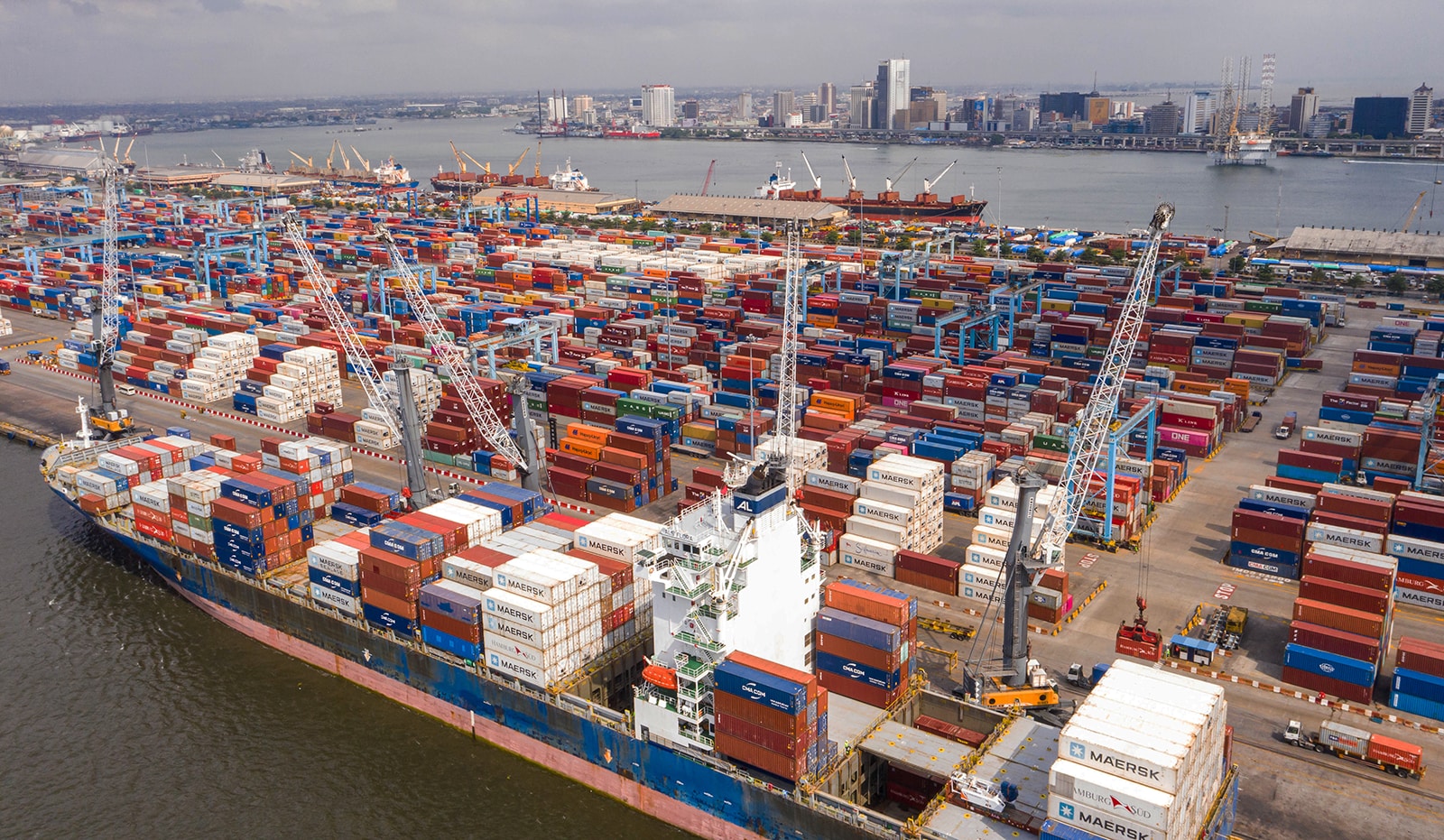
Nigeria’s Q2 2026 Trade Data Shows Export Growth but Highlights Diversification Challenge
Nigeria’s Q2 2026 trade figures point to growth in crude oil and refined petroleum exports, while questions remain over the country’s ability to expand manufactured, agricultural and solid-mineral exports.
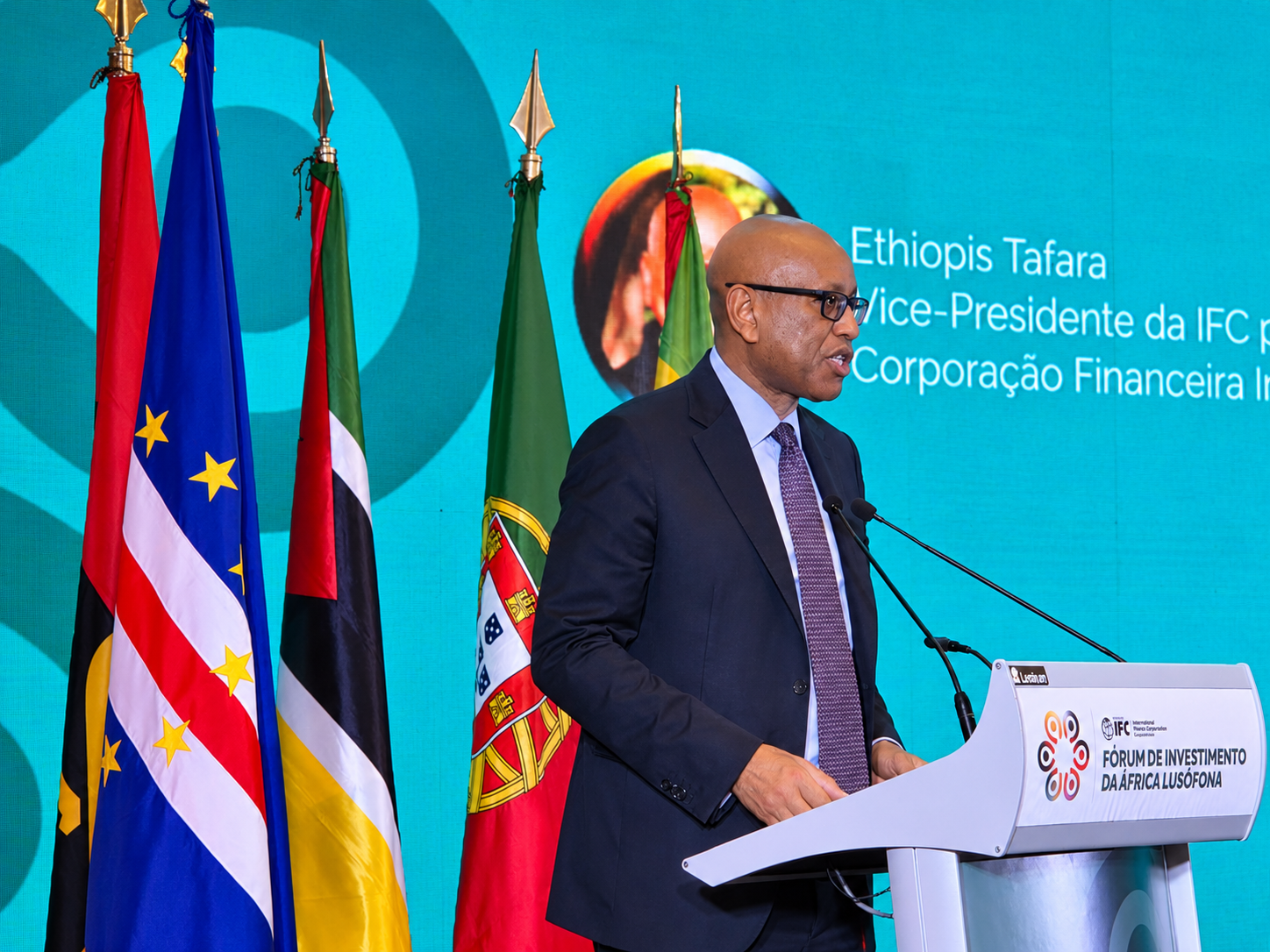
Ethiopis Tafara Highlights Investment Potential of Lusophone Africa, Urges Countries to Turn Opportunities Into Jobs
Ethiopis Tafara, vice president of the International Finance Corporation (IFC), has highlighted the economic potential of Portuguese-speaking African countries, calling for stronger regional cooperation, greater mobilization of private capital and investment that generates jobs and promotes inclusive growth. Speaking at the opening of the second edition of the Lusophone Africa Investment Forum, held on Sal …

Lobito Corridor Identifies $13 Billion in Business Opportunities
Angola’s Minister of Transport, Ricardo de Abreu, on Monday highlighted more than 144 business opportunities valued at approximately $13 billion under the Lobito Corridor Master Plan. The opportunities span 10 economic sectors across seven Angolan provinces. Speaking at the Lusophone Africa Investment Forum on the challenges and opportunities involved in developing African infrastructure, with a …
More from Freddie Hiney
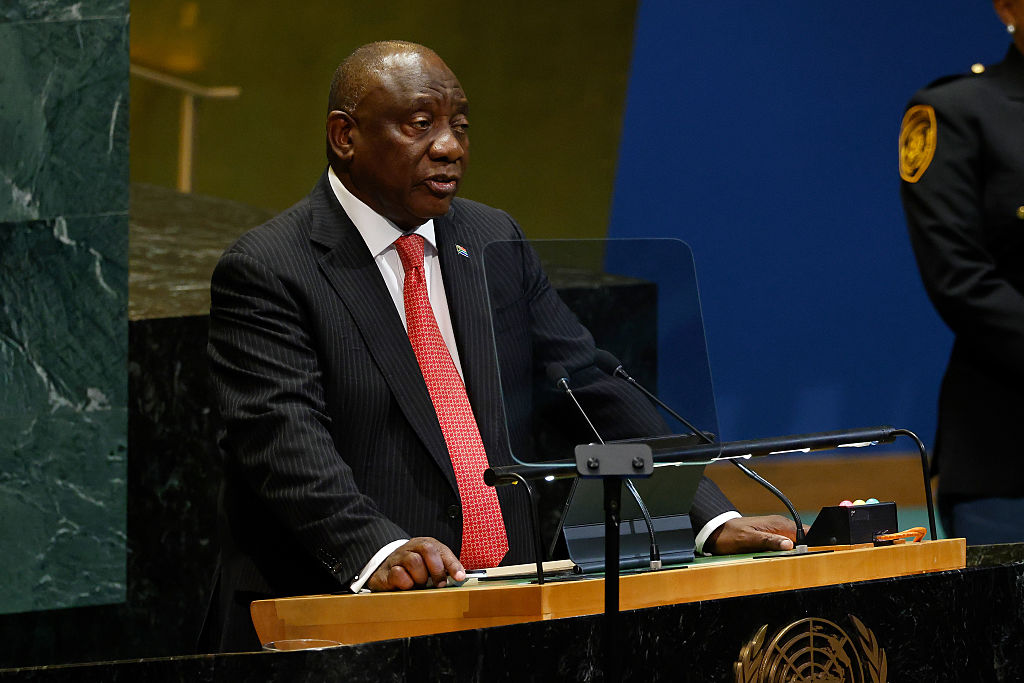
Ramaphosa Hints At AGOA Exclusion, Experts Discuss Potential Implications For South Africa
The African Growth and Opportunity Act (AGOA) continues to be a key economic factor in South Africa as the country considers the potential implications, should it not be renewed. During a briefing with editors and reporters on October 19, South Africa’s President Cyril Ramaphosa opened up about a possible AGOA exclusion, saying, “I need, …

‘Belief In Myself’: Temba Bavuma On The Mindset Shift And Goals Powering The Proteas
Captain Temba Bavuma’s form and ability to score big test runs has been a driving force behind South Africa’s resurgence in the five-day game that took them to the World Test Championship title last year. Up to March 2023, Bavuma averaged just under 35 in Test cricket, below par for a top-order batter and making …
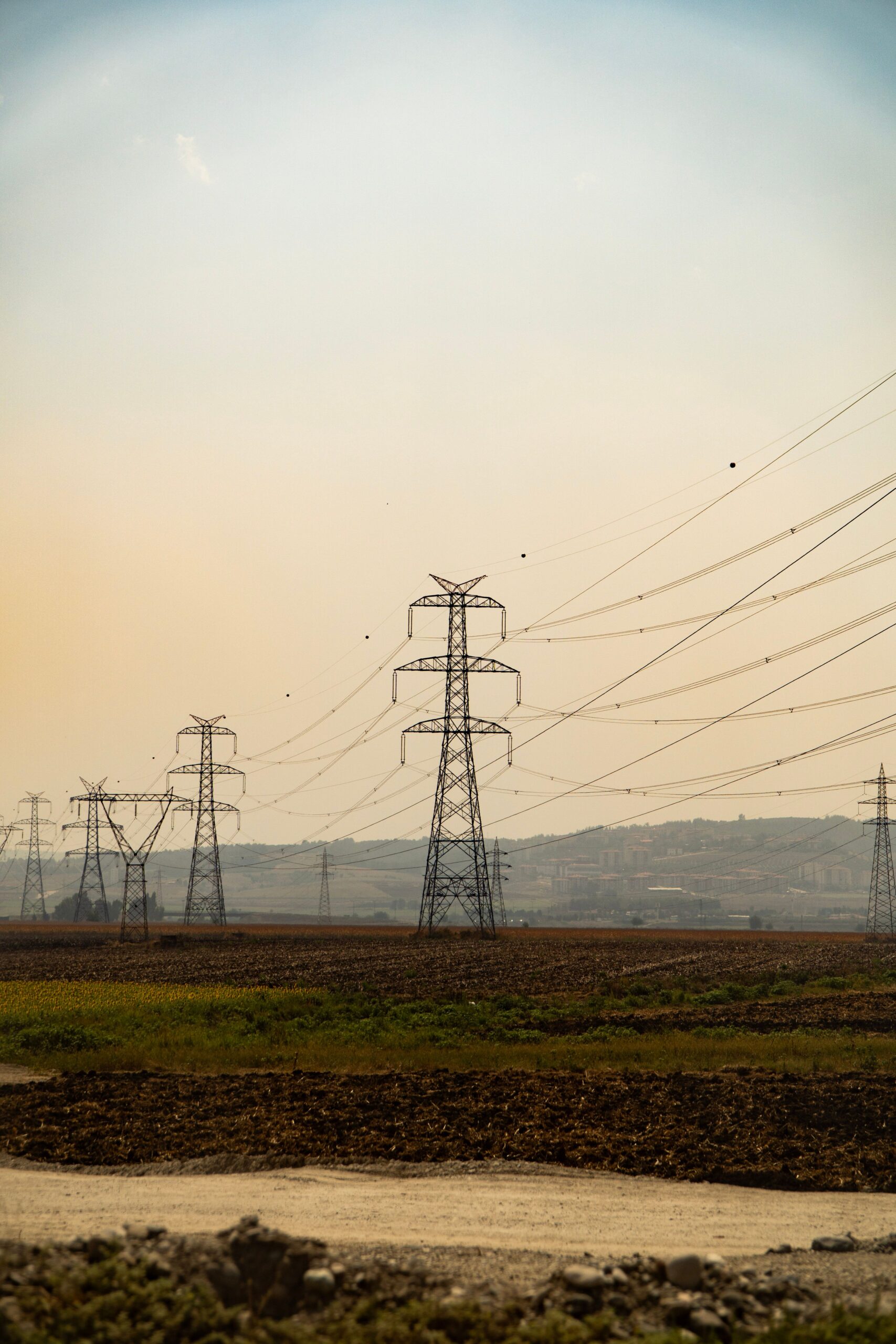
How One Of The World’s Least Electrified Nations Is Turning On The Lights
A little over a quarter of Malawi can turn on the lights, World Bank data reveals, amid a billion-dollar wave of projects. Through a mix of hydro and renewables, the country of nearly 23 million people currently generates 566 megawatts (MW) of power, Malawi’s Minister of Energy, Jean Mathanga, tells FORBES AFRICA, before confirming the …
Recommended




The Daily Brief