

How One Of The World’s Least Electrified Nations Is Turning On The Lights
A little over a quarter of Malawi can turn on the lights, World Bank data reveals, amid a billion-dollar wave of projects. Through a mix of hydro and renewables, the country of nearly 23 million people currently generates 566 megawatts (MW) of power, Malawi’s Minister of Energy, Jean Mathanga, tells FORBES AFRICA, before confirming the …
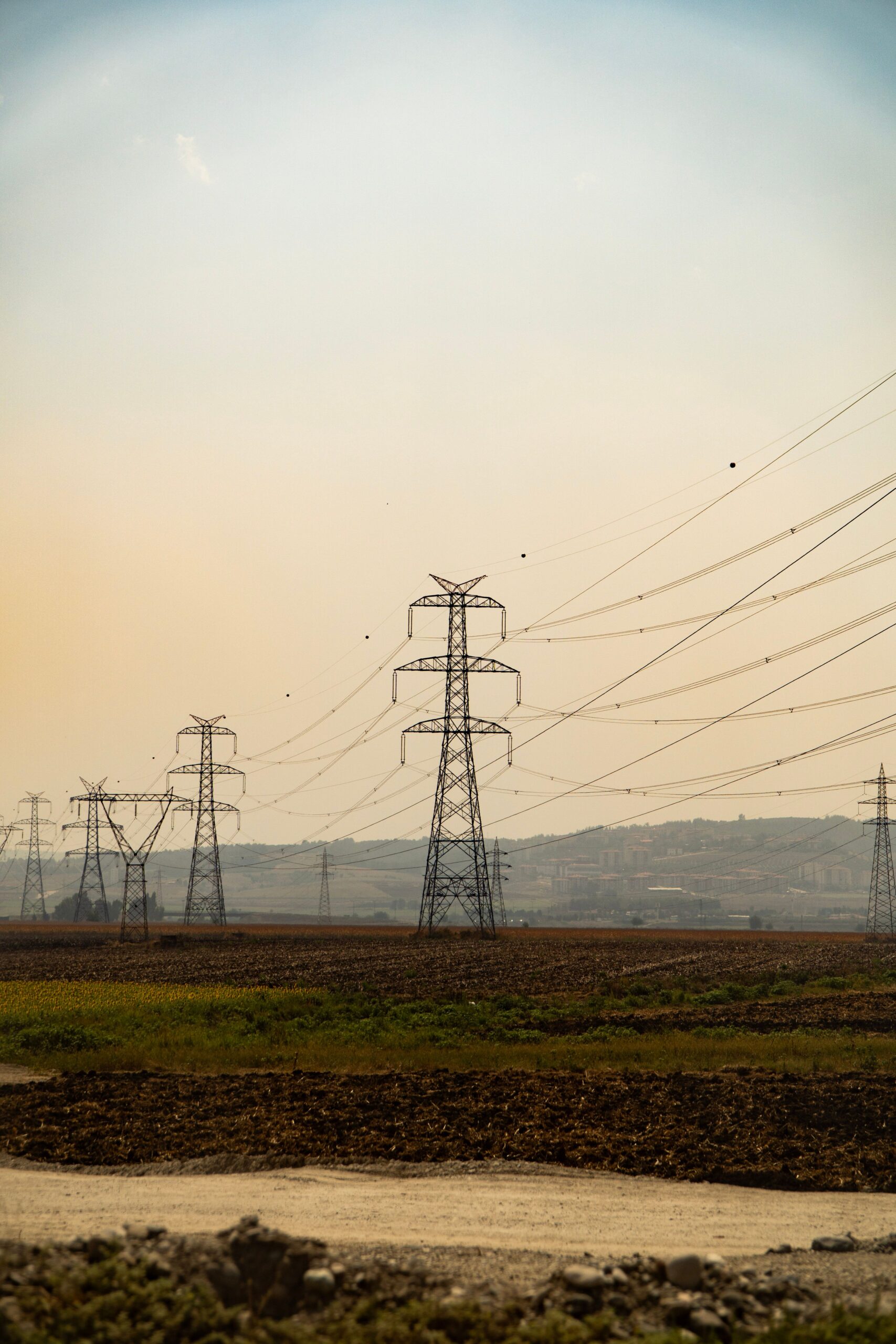
A little over a quarter of Malawi can turn on the lights, World Bank data reveals, amid a billion-dollar wave of projects.
Through a mix of hydro and renewables, the country of nearly 23 million people currently generates 566 megawatts (MW) of power, Malawi’s Minister of Energy, Jean Mathanga, tells FORBES AFRICA, before confirming the country’s ambition of doubling output by 2030.
The over $1.5 billion Mpatamanga Hydro project, scheduled to be fully operational by 2032, is expected to add 358.5 MW to the national grid. Regarding the more immediate future, a dose of solar is on the cards as the Salima Solar Power Project enters phase two.
Initially commissioned two months ago, the minister assures they are “embarking” on a 40 MW upgrade following a positive 10 MW pilot. Further charging this momentum was the opening of Malawi’s first standalone utility-scale battery energy storage system (BESS) at the Kanengo Substation in July.
The 20 MW storage system has plugged a critical void, enabling the Kanengo facility to operate around the clock following years of planned daily shutdowns to prevent the grid from overloading during peak daylight hours.
“It was generating power, but that was only available in the afternoon,” Mathanga says of the substation pre-BESS. “Now, we’re able to collect, store and release energy during peak hours.”
Cross-border energy infrastructure has become a catalyst for diplomacy across Africa, and Malawi is keen to deepen its energy mix through such collaboration. While an interconnector with Zambia is underway, it will soon benefit from the 218-kilometer Mozambique-Malawi Power Interconnector.
“Our connector with Mozambique is done…what’s remaining is a formal commissioning,” Mathanga mentions.
Once linked to neighboring countries, they will be able to slot into the Southern African Power Pool (SAPP), providing more energy insurance and, potentially, a fresh export stream.
“We want to see Malawi in a position where it can easily access power from its neighbors. But not only that, we know they’re doing a lot of renewable energy projects, and they should have the opportunity to sell that,” says SAPP’s Executive Director Stephen Dihwa, on the sidelines of Africa Energy Week–which took place in Cape Town from October 12-16–to FORBES AFRICA.
Asked about a SAPP inclusion, Mathanga shares that Malawi is in the final stages: “What’s remaining is a payment for the subscription…we should be registered shortly.”
Dihwa hails Malawi’s energy progress as “exciting”, noting that a feasibility study for a Malawi-Tanzania interconnector is ongoing. This could not only add another potential customer for Malawian energy, but also solidify it as the glue between the SAPP and Eastern African Power Pool (EAPP).
The Daily Brief
Get the daily FORBES.NG briefing.
Comments (0)
Sign in to join the conversation.
Related Stories
Nigeria’s Q2 2026 Trade Data Shows Export Growth but Highlights Diversification Challenge
Nigeria’s Q2 2026 trade figures point to growth in crude oil and refined petroleum exports, while questions remain over the country’s ability to expand manufactured, agricultural and solid-mineral exports.
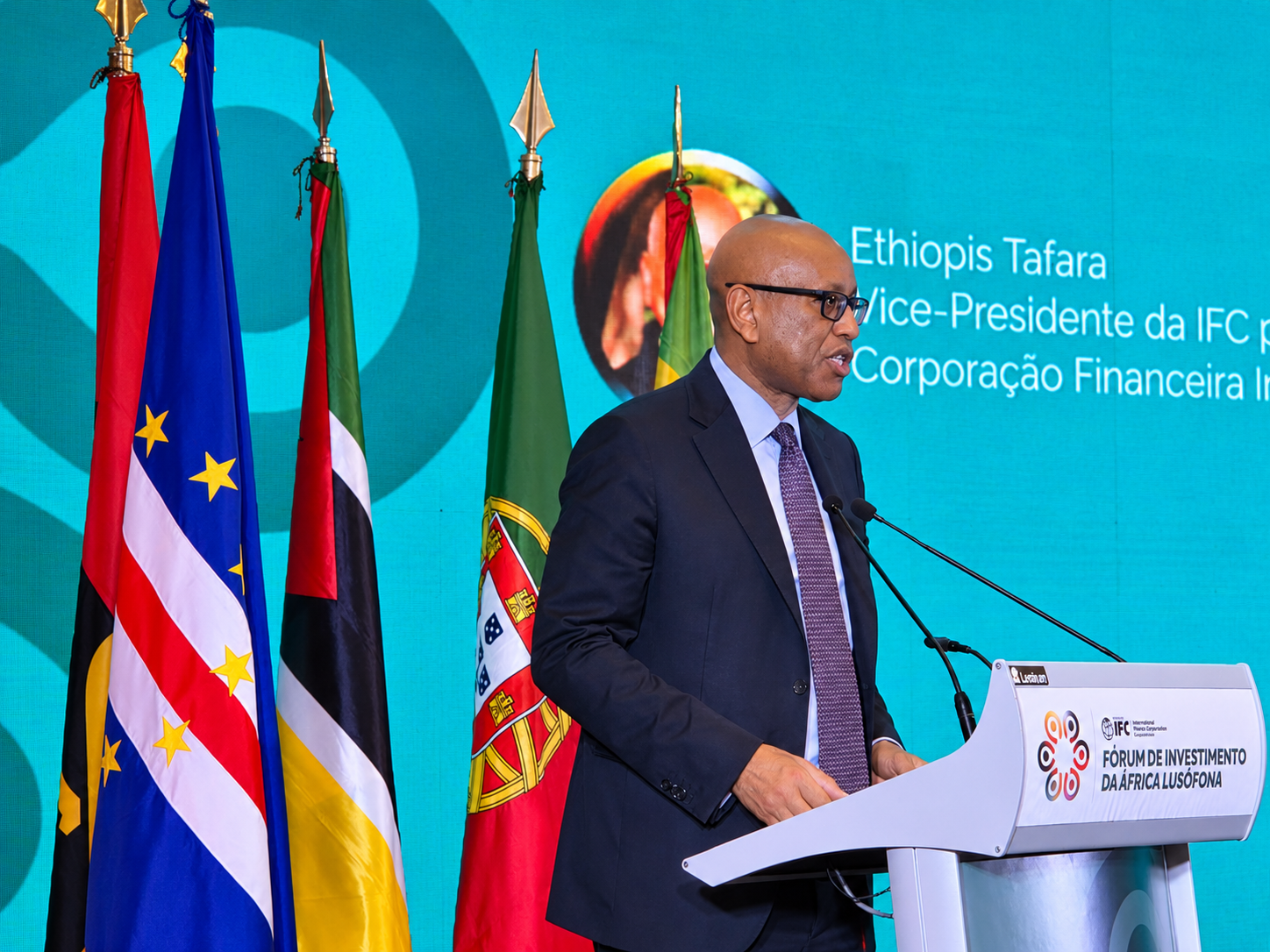
Ethiopis Tafara Highlights Investment Potential of Lusophone Africa, Urges Countries to Turn Opportunities Into Jobs
Ethiopis Tafara, vice president of the International Finance Corporation (IFC), has highlighted the economic potential of Portuguese-speaking African countries, calling for stronger regional cooperation, greater mobilization of private capital and investment that generates jobs and promotes inclusive growth. Speaking at the opening of the second edition of the Lusophone Africa Investment Forum, held on Sal …
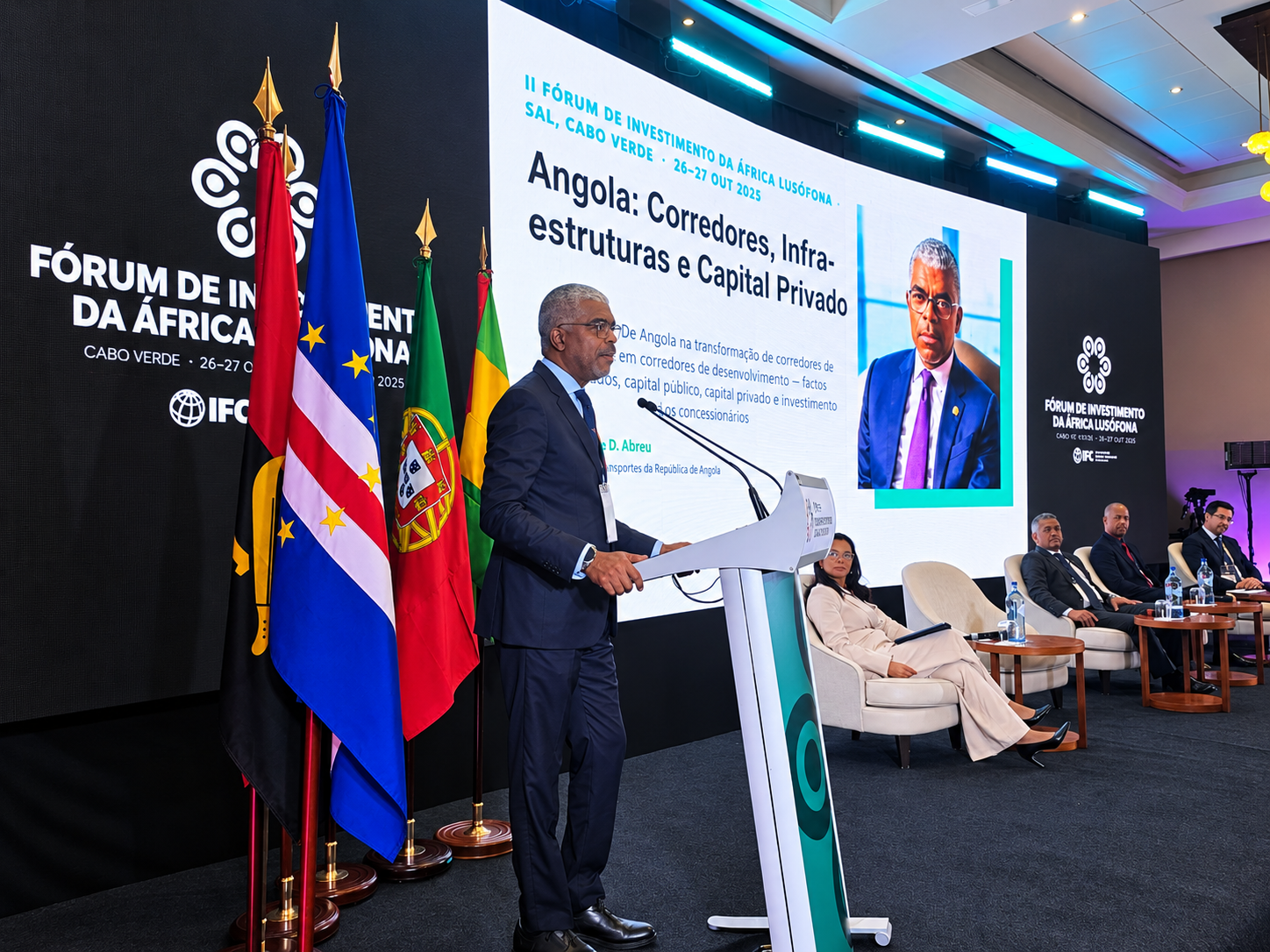
Lobito Corridor Identifies $13 Billion in Business Opportunities
Angola’s Minister of Transport, Ricardo de Abreu, on Monday highlighted more than 144 business opportunities valued at approximately $13 billion under the Lobito Corridor Master Plan. The opportunities span 10 economic sectors across seven Angolan provinces. Speaking at the Lusophone Africa Investment Forum on the challenges and opportunities involved in developing African infrastructure, with a …
More from Freddie Hiney
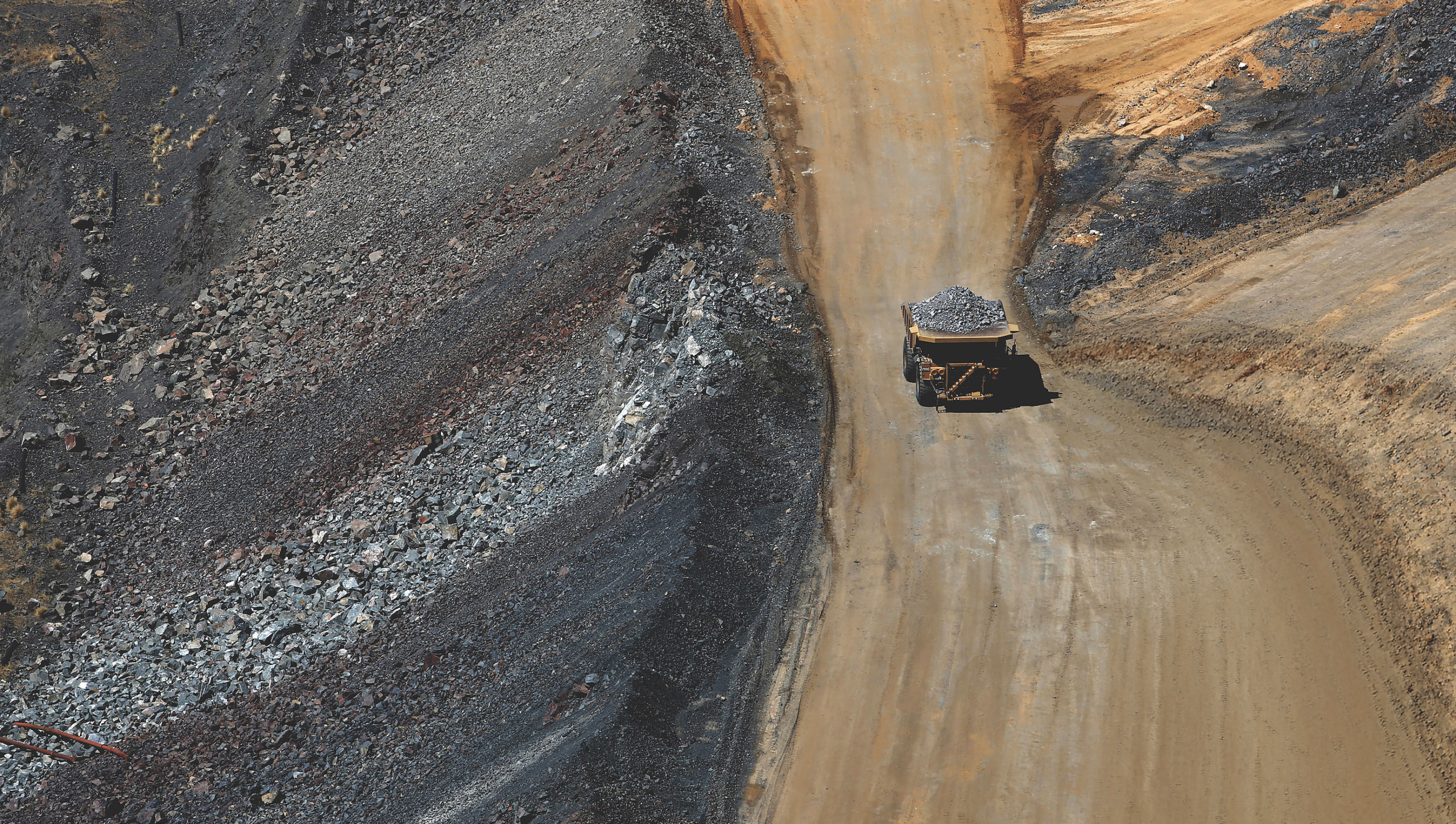
Rough Patch: South Africa’s Diamonds Aim To Make The Cut Again
Strolling along the famed V&A Waterfront in Cape Town, South Africa, it’s hard not to marvel at the Atlantic Ocean glistening around you, and Table Mountain standing firm and formidable in the distance. Some of nature’s finest jewels are on display, but today’s motive is about understanding the treasures beneath the Earth’s surface. At the …
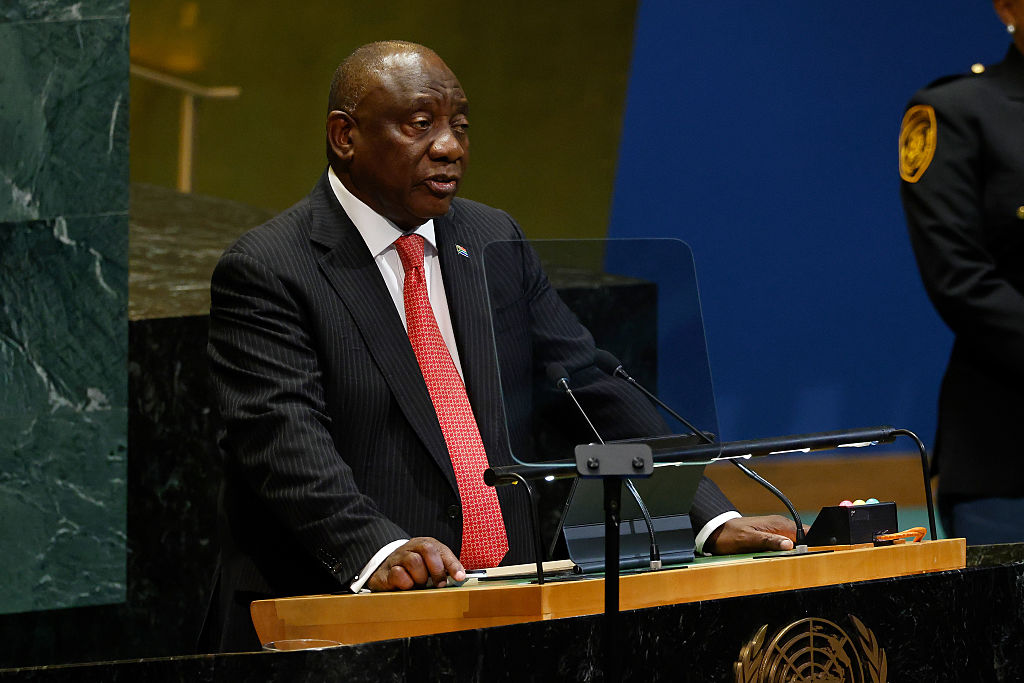
Ramaphosa Hints At AGOA Exclusion, Experts Discuss Potential Implications For South Africa
The African Growth and Opportunity Act (AGOA) continues to be a key economic factor in South Africa as the country considers the potential implications, should it not be renewed. During a briefing with editors and reporters on October 19, South Africa’s President Cyril Ramaphosa opened up about a possible AGOA exclusion, saying, “I need, …

‘Belief In Myself’: Temba Bavuma On The Mindset Shift And Goals Powering The Proteas
Captain Temba Bavuma’s form and ability to score big test runs has been a driving force behind South Africa’s resurgence in the five-day game that took them to the World Test Championship title last year. Up to March 2023, Bavuma averaged just under 35 in Test cricket, below par for a top-order batter and making …
Recommended



The Daily Brief