

Banking Without Borders, Built For Malawi’s Growth
As African economies become increasingly interconnected through trade, infrastructure, and digital finance, banks with continental and global reach are playing a larger role in shaping how businesses grow beyond their domestic markets. In Malawi, Ecobank is positioning itself at the intersection of local enterprise and pan-African opportunity, using its regional network to connect businesses to …

As African economies become increasingly interconnected through trade, infrastructure, and digital finance, banks with continental and global reach are playing a larger role in shaping how businesses grow beyond their domestic markets.
In Malawi, Ecobank is positioning itself at the intersection of local enterprise and pan-African opportunity, using its regional network to connect businesses to capital, markets, and financial solutions designed for a more integrated African economy.
For Managing Director, Raymond Fordwuo (DBA), the bank’s role extends beyond conventional banking. “Our purpose in Malawi is to connect ambition, whether local or regional, to the financial tools that make growth possible,” he says, describing a strategy grounded in both local execution and continental integration.
Part of the Ecobank Group, which operates across more than 30 African countries, Ecobank Malawi combines corporate and business banking, trade finance, treasury services, SME support, and digital financial solutions within a broader pan-African framework.
The institution’s pan-African infrastructure allows businesses in Malawi to transact, expand, and operate more efficiently across borders while benefiting from a banking model designed around African trade flows and regional value chains.
Fordwuo notes that “businesses increasingly need banking partners that understand both local realities and regional markets,” adding that the bank’s pan-African footprint has become “a concrete business advantage for Malawian customers”.
This positioning is becoming increasingly relevant for Malawian enterprises, particularly SMEs seeking to expand beyond domestic limitations. Through tools such as Ecobank’s Single Market Trade Hub and integrated payment systems, businesses gain improved access to suppliers, markets, and transaction capabilities across Africa.
The approach reflects a broader shift underway across the continent as African institutions position themselves to support the African Continental Free Trade Area (AfCFTA) and deeper regional integration.
Trade finance remains one of the clearest expressions of this strategy. Ecobank Malawi recently supported the importation of fertilizer critical to the country’s agricultural sector, helping maintain supply continuity and supporting broader agricultural productivity.
For Fordwuo, these interventions demonstrate how financial institutions can directly support economic activity beyond traditional lending.
“Trade finance is one of the most powerful ways banking can support productivity, enterprise growth, and economic stability,” he says.
Strategic partnerships also play an important role in strengthening the bank’s lending capacity. Ecobank Malawi works alongside institutions such as Proparco, the European Investment Bank, and the International Finance Corporation through guarantee structures and risk-sharing frameworks to expand access to financing for SMEs and businesses operating in key productive sectors.
As Fordwuo explains, “the real value of partnerships lies in how effectively they translate capital into productive local growth”.
SMEs remain central to the bank’s long-term strategy. Across Africa, small and medium-sized businesses continue to drive employment, entrepreneurship, and commercial activity, yet many still face limitations in access to financing and market integration. Ecobank Malawi is working to bridge these gaps through a combination of regional liquidity, local market knowledge, and digital financial services that improve accessibility and operational efficiency.
The bank’s priorities are also aligned with Malawi 2063, the country’s long-term development strategy, particularly across agriculture, manufacturing, mining, tourism, and trade.
Ecobank sees these sectors not only as domestic growth engines, but as part of broader regional supply chains that will increasingly define Africa’s economic future. In Fordwuo’s view, “Malawi’s opportunity lies in turning development ambition into bankable, investable growth”.
His perspective has been shaped by more than two decades of working across African banking markets and transformation initiatives in multiple regions. That experience informs his view that the next phase of banking on the continent will be defined less by scale alone and more by relevance, adaptability, and execution.
“In Malawi, the next phase of banking growth will be driven by relevance, access, and disciplined execution,” he says, pointing to digital financial services, SME banking, and cross-border solutions as areas with significant long-term potential.
Under his leadership, Ecobank Malawi is strengthening its position as both a local banking institution and part of a larger pan-African financial ecosystem. As trade integration accelerates across the continent, the balance between local understanding and continental connectivity is becoming increasingly important for businesses seeking long-term growth opportunities.
“We are building a bank that is locally grounded, regionally connected, and commercially disciplined because that is what sustainable African growth requires,” Fordwuo concludes.
The Daily Brief
Get the daily FORBES.NG briefing.
Comments (0)
Sign in to join the conversation.
Related Stories
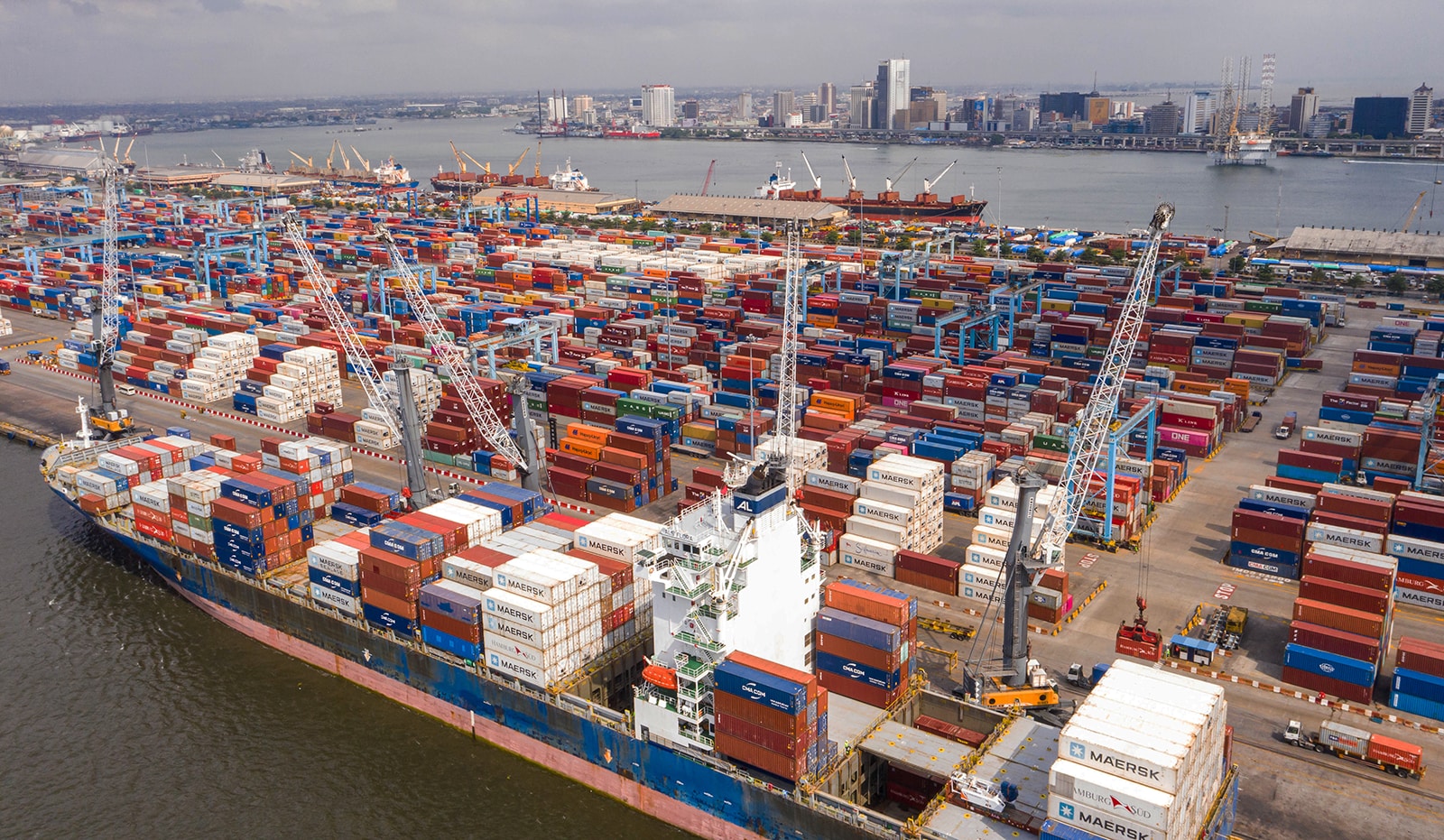
Nigeria’s Q2 2026 Trade Data Shows Export Growth but Highlights Diversification Challenge
Nigeria’s Q2 2026 trade figures point to growth in crude oil and refined petroleum exports, while questions remain over the country’s ability to expand manufactured, agricultural and solid-mineral exports.
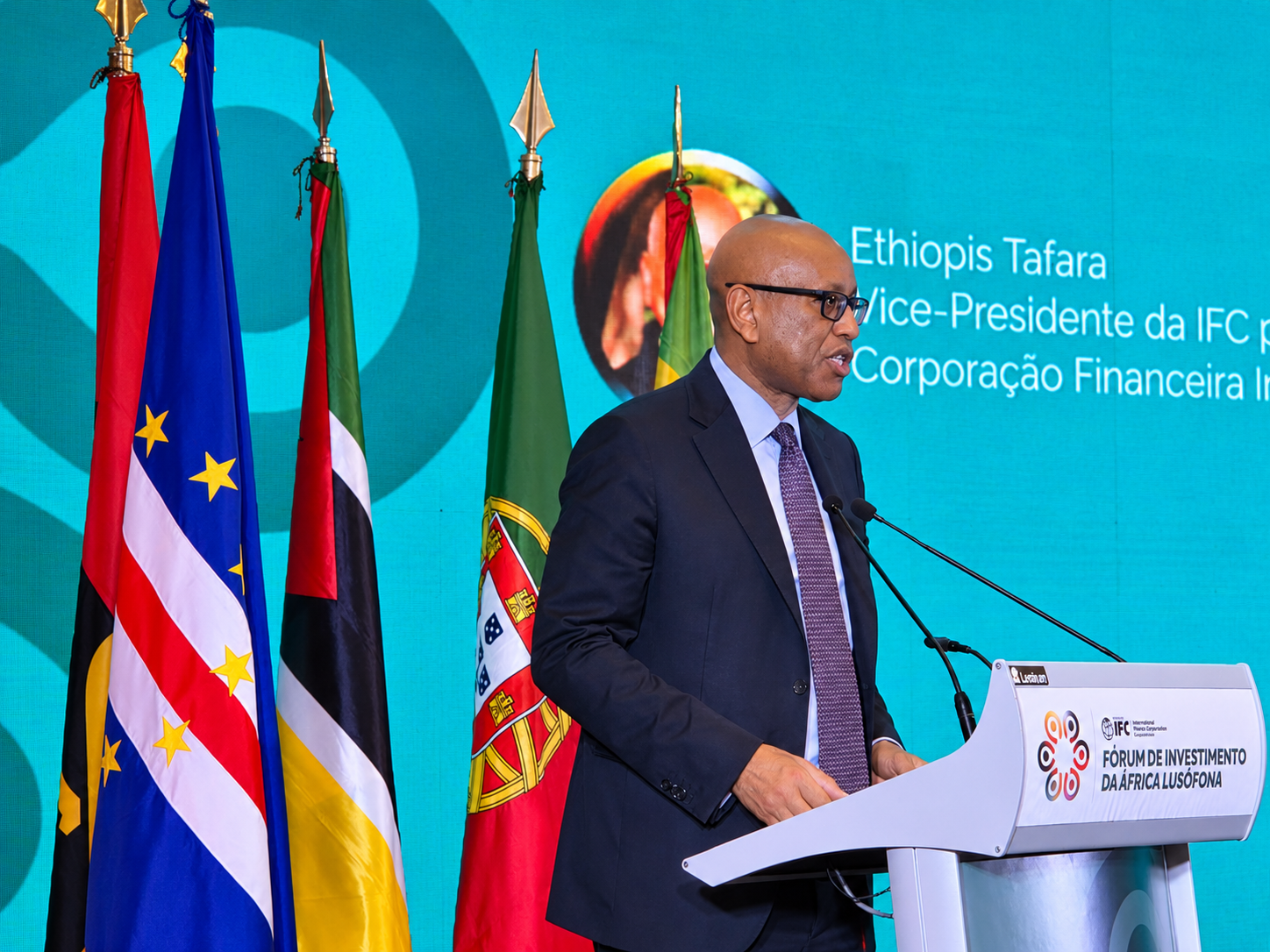
Ethiopis Tafara Highlights Investment Potential of Lusophone Africa, Urges Countries to Turn Opportunities Into Jobs
Ethiopis Tafara, vice president of the International Finance Corporation (IFC), has highlighted the economic potential of Portuguese-speaking African countries, calling for stronger regional cooperation, greater mobilization of private capital and investment that generates jobs and promotes inclusive growth. Speaking at the opening of the second edition of the Lusophone Africa Investment Forum, held on Sal …
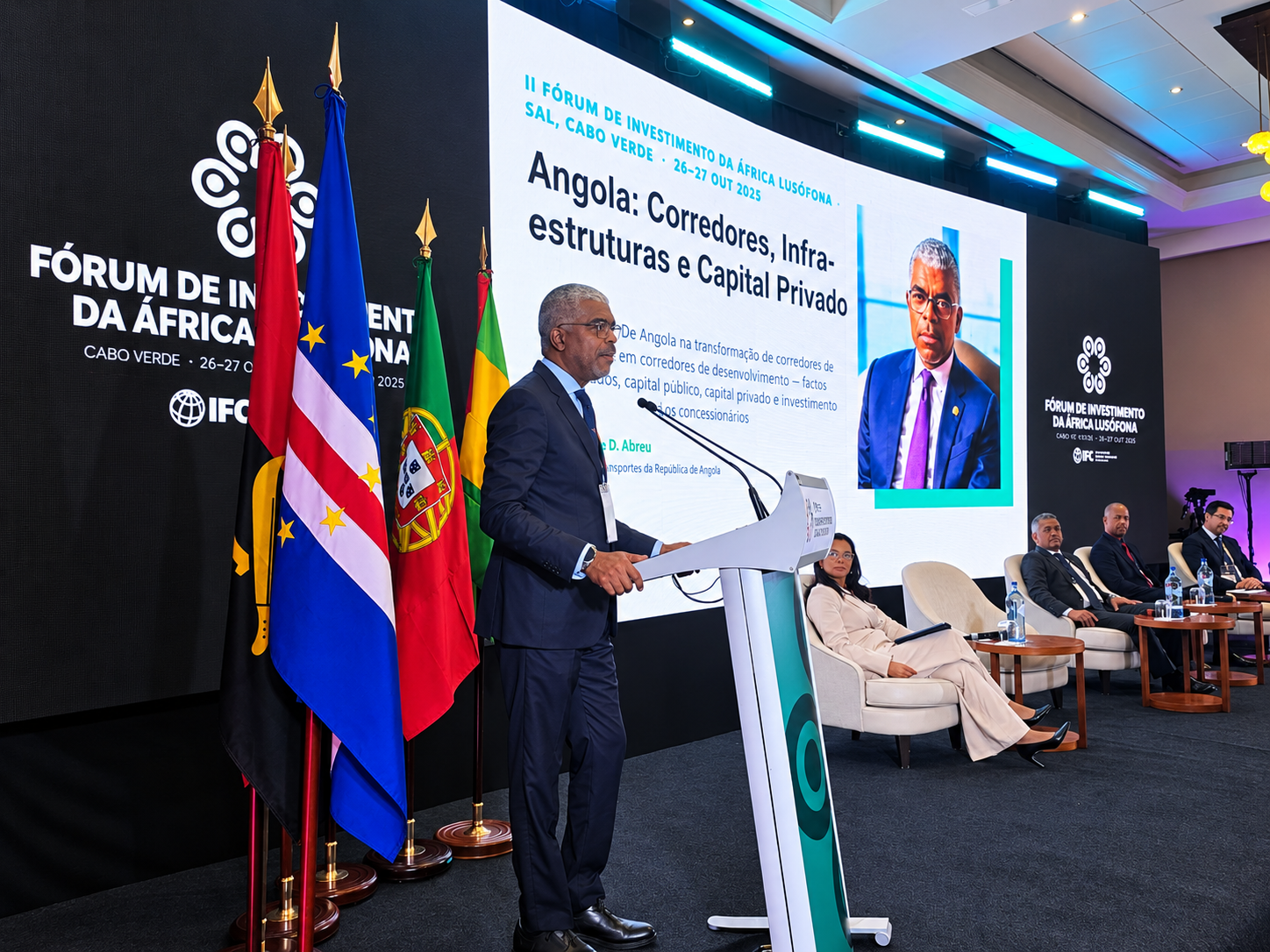
Lobito Corridor Identifies $13 Billion in Business Opportunities
Angola’s Minister of Transport, Ricardo de Abreu, on Monday highlighted more than 144 business opportunities valued at approximately $13 billion under the Lobito Corridor Master Plan. The opportunities span 10 economic sectors across seven Angolan provinces. Speaking at the Lusophone Africa Investment Forum on the challenges and opportunities involved in developing African infrastructure, with a …
More from Penresa

Enabling Uganda’s Economic Take-Off
Uganda is approaching a defining moment. With first oil production expected soon, major infrastructure investments strengthening regional connectivity, rapid urbanization, one of Africa’s youngest populations, and growing regional trade opportunities, the country is assembling the ingredients for sustained economic take-off. Macroeconomic stability, improving investor confidence, and the development of Uganda’s financial markets are strengthening its …

Malawi 2026: Charting A New Development Path
For decades, Malawi’s economic promise has been easy to identify and harder to unlock. The country has fertile land, a young population, mineral resources, tourism assets, and access to a regional market far larger than its own. The challenge has been turning those advantages into production at scale. In 2026, that question sits at the …
Where Continents Meet, Opportunity Begins
Tunisia’s talent, technology, and industrial strength redefine its role in the global economy. Tunisia has spent decades being described by where it sits. What defines it now is who lives there. A new generation of engineers, entrepreneurs, researchers, and industrial leaders is turning the country’s historic Mediterranean advantage into something more valuable: a place where …
Recommended



The Daily Brief