

Enabling Uganda’s Economic Take-Off
Uganda is approaching a defining moment. With first oil production expected soon, major infrastructure investments strengthening regional connectivity, rapid urbanization, one of Africa’s youngest populations, and growing regional trade opportunities, the country is assembling the ingredients for sustained economic take-off. Macroeconomic stability, improving investor confidence, and the development of Uganda’s financial markets are strengthening its …

Uganda is approaching a defining moment. With first oil production expected soon, major infrastructure investments strengthening regional connectivity, rapid urbanization, one of Africa’s youngest populations, and growing regional trade opportunities, the country is assembling the ingredients for sustained economic take-off.
Macroeconomic stability, improving investor confidence, and the development of Uganda’s financial markets are strengthening its long-term investment case. This progress is reflected in Uganda’s rise to third place in the 2025 Absa Africa Financial Markets Index, its highest ranking to date, an important signal that the country’s financial system is becoming deeper, more transparent, and better positioned to mobilize the long-term capital needed to finance sustainable economic growth.
Economic take-off occurs when policy, capital, and opportunity align, creating the conditions for investment, entrepreneurship, and sustained growth. For David Wandera, Managing Director of Absa Bank Uganda, the country is approaching precisely that moment.
“Economic transformation is ultimately about where capital flows. Our role is to mobilize capital into the sectors, businesses, and ideas that unlock opportunity, create jobs, and drive sustainable growth and advance Uganda’s long-term prosperity.”
The next phase of development, however, will require more than oil revenues or infrastructure projects. Sustaining growth will depend on stronger institutions, deeper capital markets, more bankable businesses, greater financial inclusion, and continued investment across agriculture, services, manufacturing, and energy. Those are precisely the areas where financial institutions have an essential role to play.
Against that backdrop, Absa Bank Uganda is reinforcing its role as a strategic financial partner to businesses, investors, and government. Drawing on more than a century of banking heritage and Absa Group’s presence across 12 African markets, the bank combines local market knowledge with pan-African capabilities spanning retail, corporate and investment banking, trade finance, and digital banking.
Recent transactions include a US$50 million financing facility to strengthen Uganda’s electricity distribution and participation in a US$100 million syndicated facility for MTN Uganda to expand digital infrastructure, supporting greater connectivity and financial inclusion.
For Wandera, development extends well beyond financing transactions. Building confidence also means strengthening businesses, supporting entrepreneurs, and ensuring more companies become investment-ready.
The Bank of Uganda’s commitment to monetary and financial sector stability, alongside ongoing efforts to deepen Uganda’s capital markets, is strengthening investor confidence and creating the conditions for sustainable, long-term economic growth. Equally important is ensuring more Ugandans participate in and benefit from that growth.
Financial inclusion remains central. “Meaningful development must also involve entrepreneurs, small businesses, women-led enterprises, and young people, ensuring that a greater share of the population participates in and benefits from economic progress.”
That commitment is reflected in the Absa Business Club, which provides SMEs with financing, advisory services, strategic partnerships, and support to improve competitiveness. The platform connects entrepreneurs with regional and international markets while strengthening investment readiness.
Financial literacy and entrepreneurship programs are equipping young Ugandans with practical skills. As Wandera puts it, “I like to think of us as a bridge between where we are and where we want to go as a nation.”
The bank is expanding its sustainable finance activities. It supports green finance initiatives aligned with the Bank of Uganda’s sustainability framework while backing renewable energy projects. Through partnerships such as Junior Achievement Uganda and the annual Absa KH3 7 Hills Run, it also supports programs that improve education and strengthen long-term human capital. Technology is also becoming a key enabler of inclusive growth.
Digital transformation remains a strategic priority. In response to the expansion of mobile money and digital lending, Absa has invested heavily in digital account opening, mobile banking, and payment technologies.
Wandera believes the impact extends well beyond convenience: “Every digital interaction helps us build a richer understanding of customer behavior, enabling us to make better lending decisions, tailor financial solutions, and expand access to credit for customers lacking a traditional financial history. Ultimately, digital transformation is helping us move from standardized banking to more personalized and inclusive banking.”
Energy and infrastructure also remain central to the bank’s strategy. Rather than concentrating on individual industries, Absa is financing the value chains emerging around oil and gas, power generation, agriculture, manufacturing, and logistics.
As Wandera explains, “The real opportunity for a bank is in financing entire value chains, not just one sector. If you invest in power, transport, and connectivity, you unlock productivity for the entire economy.”
Currency volatility, regulatory changes, geopolitical developments, and execution risks surrounding major projects remain considerations for investors. Wandera sees those challenges as part of the investment landscape.
“They are two sides of the same coin. You cannot have one without the other. If you have the right partner, we can help you navigate that uncertainty.”
As Uganda enters its next phase, Absa Uganda intends to continue mobilizing local and international capital, strengthening institutions, deepening financial inclusion, and helping more businesses become bankable. “This is about participating in the early stages of a structural transformation. Uganda is on the cusp of what I believe is one of Africa’s most compelling frontier growth stories,” says Wandera.
The Daily Brief
Get the daily FORBES.NG briefing.
Comments (0)
Sign in to join the conversation.
Related Stories
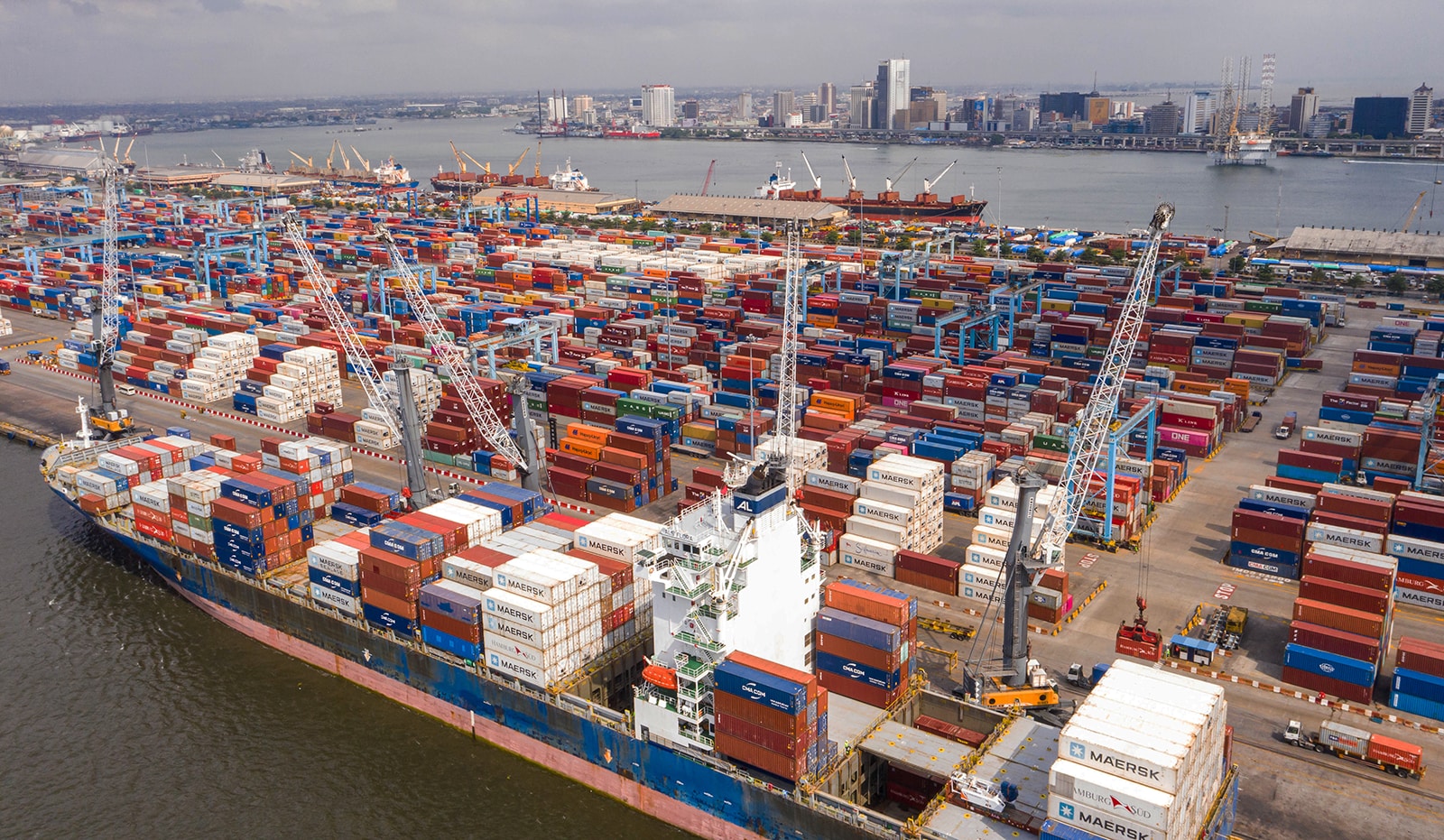
Nigeria’s Q2 2026 Trade Data Shows Export Growth but Highlights Diversification Challenge
Nigeria’s Q2 2026 trade figures point to growth in crude oil and refined petroleum exports, while questions remain over the country’s ability to expand manufactured, agricultural and solid-mineral exports.
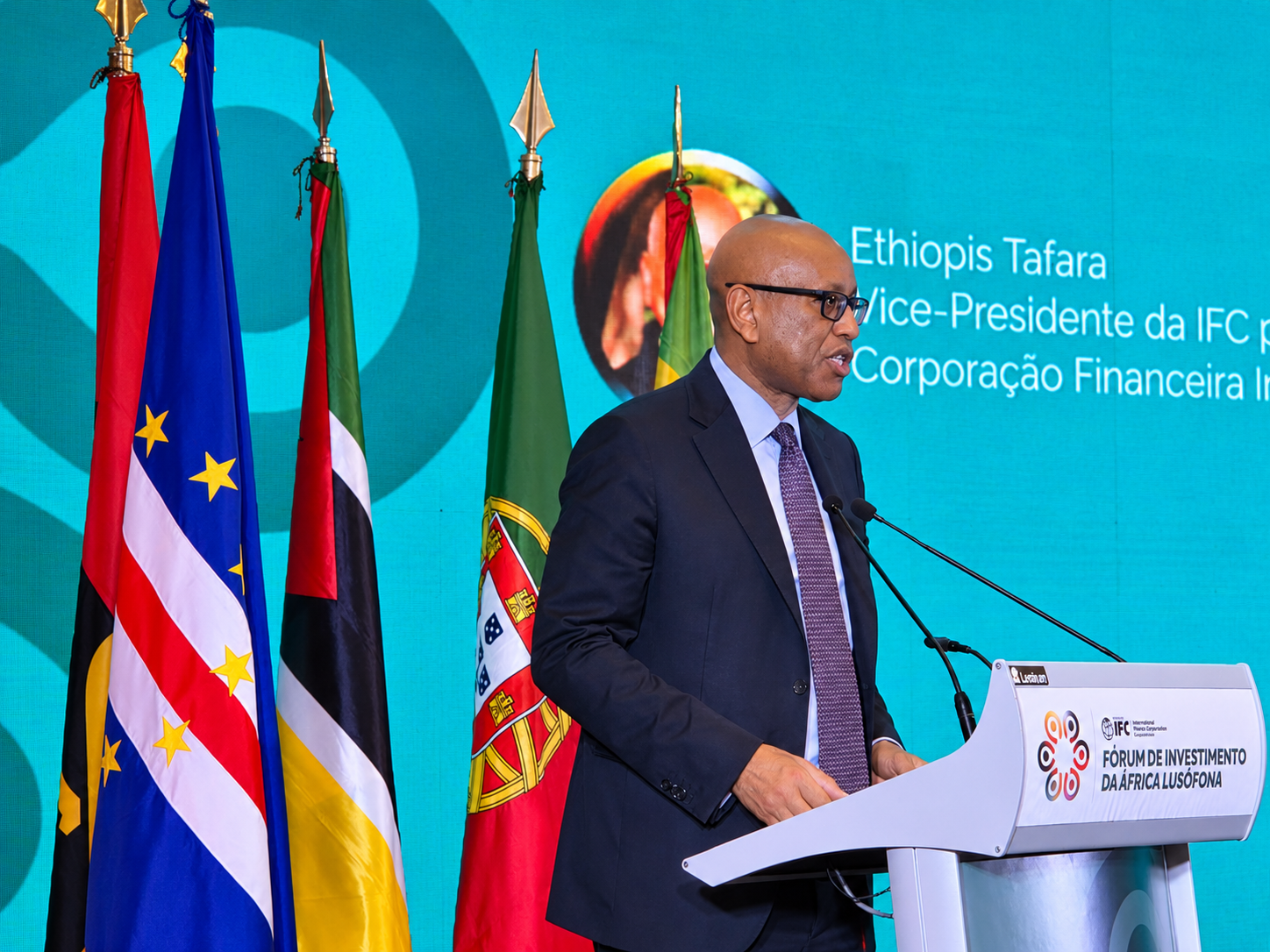
Ethiopis Tafara Highlights Investment Potential of Lusophone Africa, Urges Countries to Turn Opportunities Into Jobs
Ethiopis Tafara, vice president of the International Finance Corporation (IFC), has highlighted the economic potential of Portuguese-speaking African countries, calling for stronger regional cooperation, greater mobilization of private capital and investment that generates jobs and promotes inclusive growth. Speaking at the opening of the second edition of the Lusophone Africa Investment Forum, held on Sal …
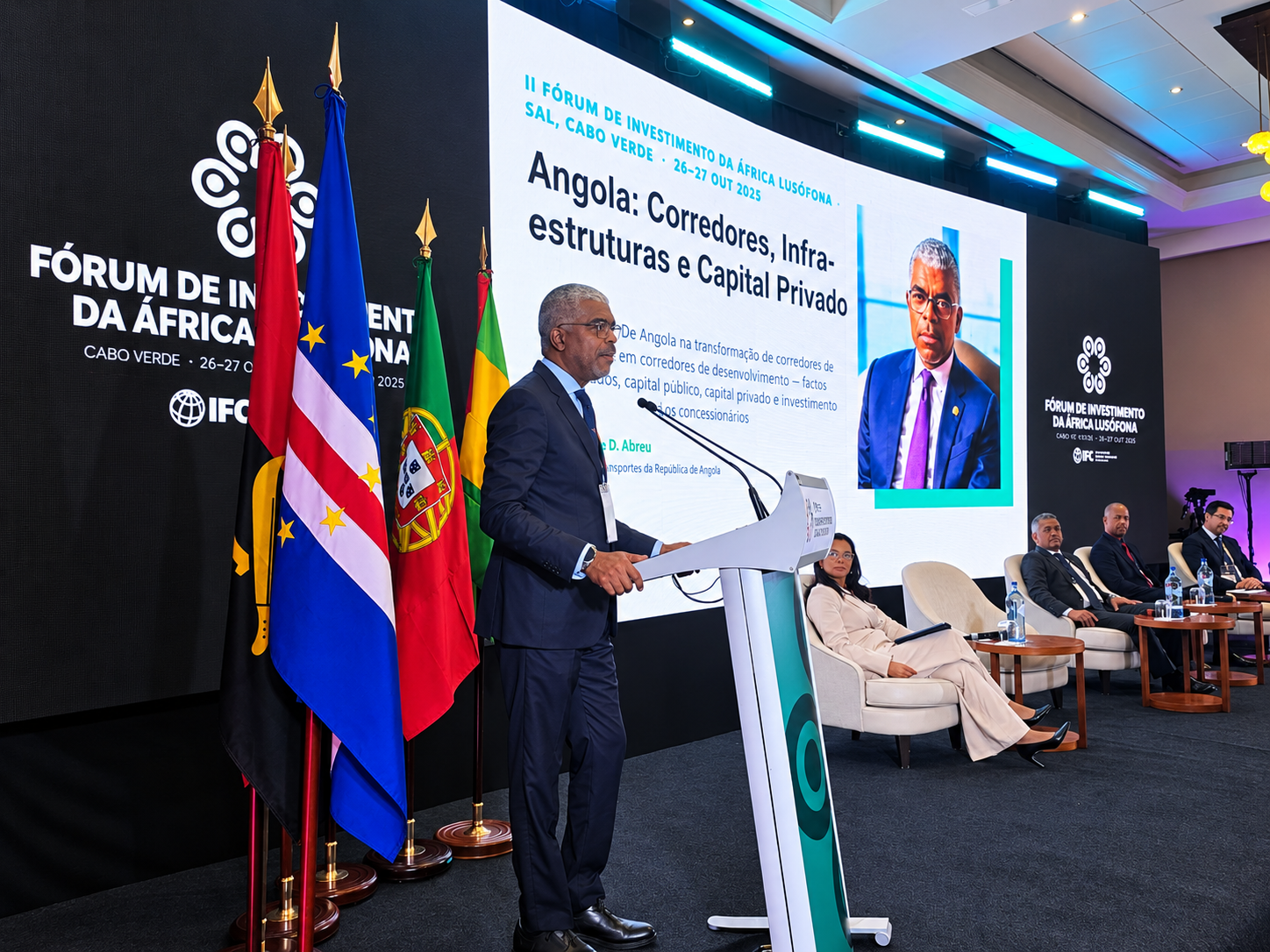
Lobito Corridor Identifies $13 Billion in Business Opportunities
Angola’s Minister of Transport, Ricardo de Abreu, on Monday highlighted more than 144 business opportunities valued at approximately $13 billion under the Lobito Corridor Master Plan. The opportunities span 10 economic sectors across seven Angolan provinces. Speaking at the Lusophone Africa Investment Forum on the challenges and opportunities involved in developing African infrastructure, with a …
More from Penresa

Banking Without Borders, Built For Malawi’s Growth
As African economies become increasingly interconnected through trade, infrastructure, and digital finance, banks with continental and global reach are playing a larger role in shaping how businesses grow beyond their domestic markets. In Malawi, Ecobank is positioning itself at the intersection of local enterprise and pan-African opportunity, using its regional network to connect businesses to …
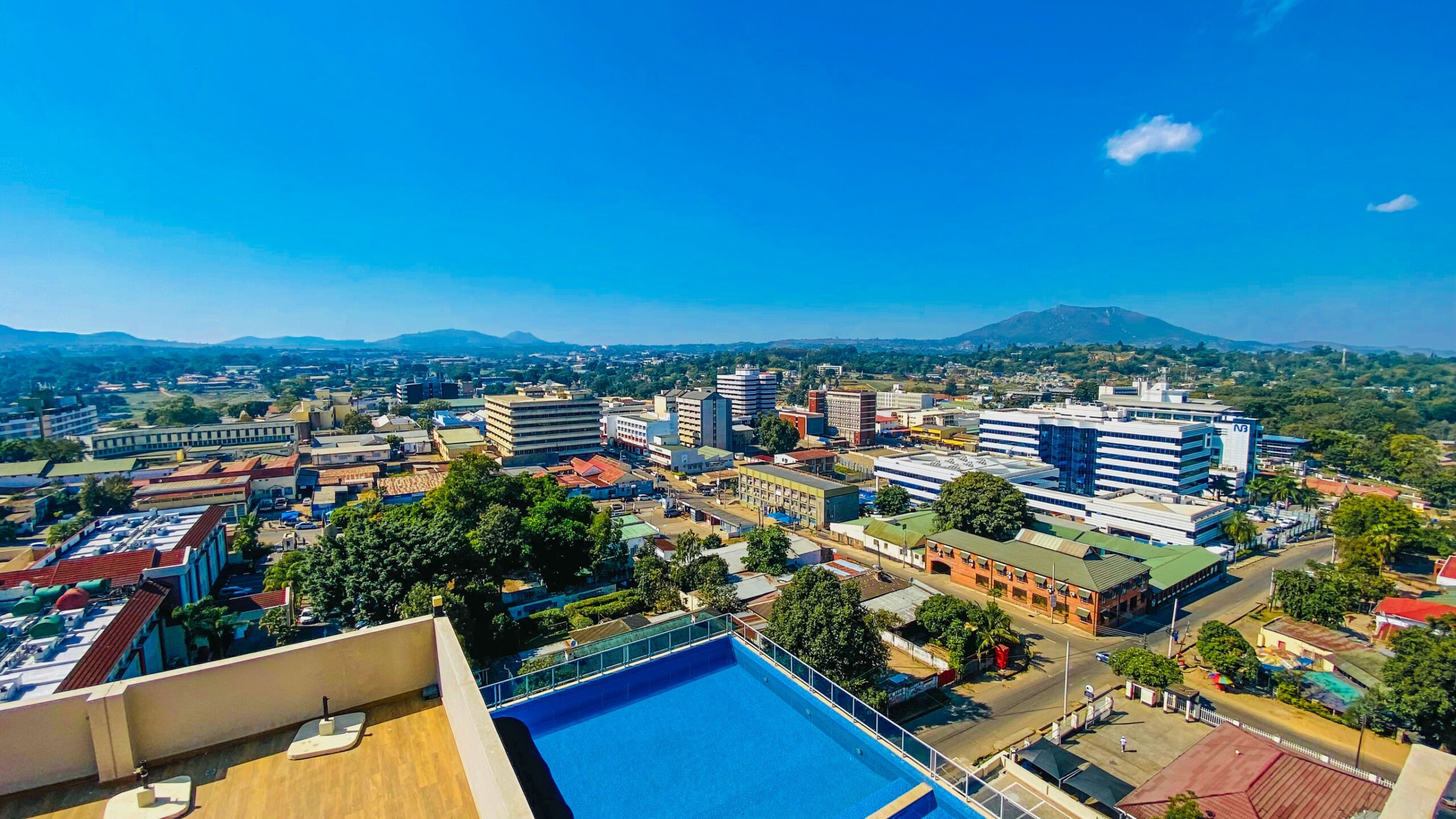
Malawi 2026: Charting A New Development Path
For decades, Malawi’s economic promise has been easy to identify and harder to unlock. The country has fertile land, a young population, mineral resources, tourism assets, and access to a regional market far larger than its own. The challenge has been turning those advantages into production at scale. In 2026, that question sits at the …
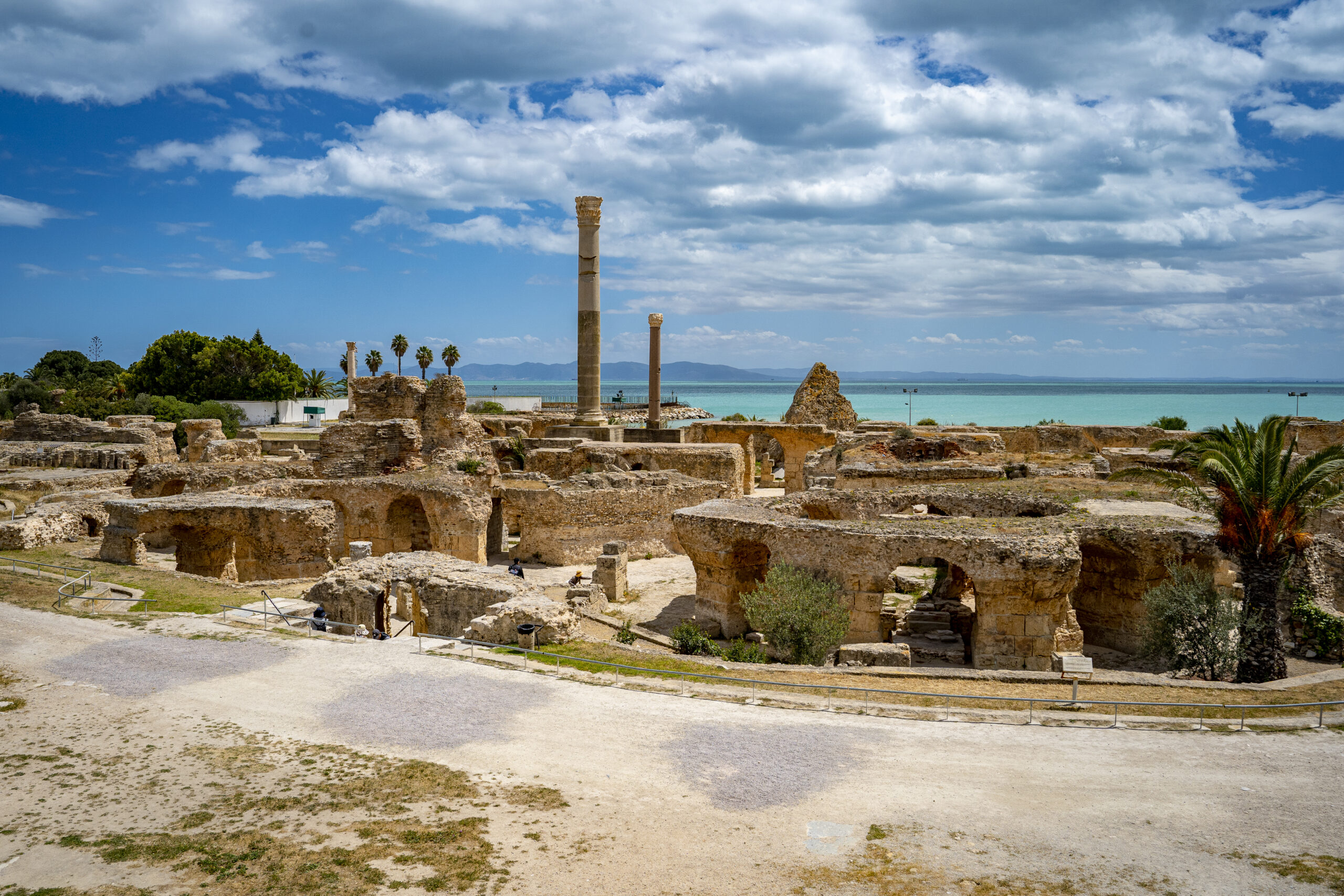
Where Continents Meet, Opportunity Begins
Tunisia’s talent, technology, and industrial strength redefine its role in the global economy. Tunisia has spent decades being described by where it sits. What defines it now is who lives there. A new generation of engineers, entrepreneurs, researchers, and industrial leaders is turning the country’s historic Mediterranean advantage into something more valuable: a place where …
Recommended



The Daily Brief