

Ramaphosa Hints At AGOA Exclusion, Experts Discuss Potential Implications For South Africa
The African Growth and Opportunity Act (AGOA) continues to be a key economic factor in South Africa as the country considers the potential implications, should it not be renewed. During a briefing with editors and reporters on October 19, South Africa’s President Cyril Ramaphosa opened up about a possible AGOA exclusion, saying, “I need, …
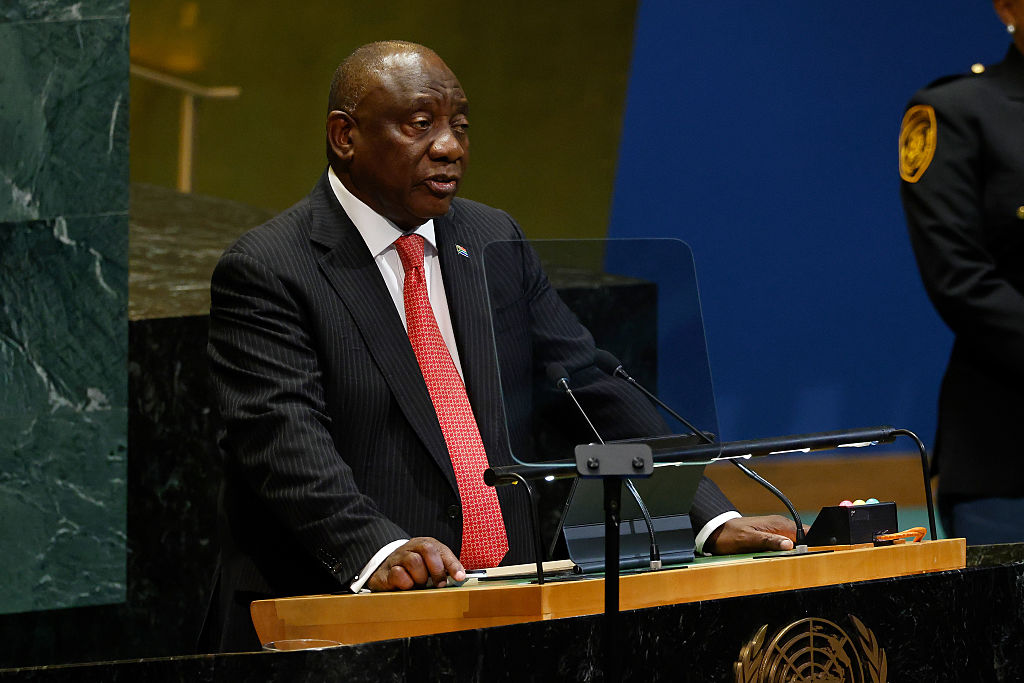
The African Growth and Opportunity Act (AGOA) continues to be a key economic factor in South Africa as the country considers the potential implications, should it not be renewed.
During a briefing with editors and reporters on October 19, South Africa’s President Cyril Ramaphosa opened up about a possible AGOA exclusion, saying, “I need, as president, to prepare us if it ever happens”.
So, what could an exit mean for South Africa?
For a country stressed by a high unemployment rate, sitting at over 30%, job losses will surely be one of Ramaphosa’s primary concerns.
“The most immediate consequences would be felt by export-oriented industries that have historically benefitted from AGOA, including agriculture and manufacturing…. Reduced competitiveness in the U.S. market could translate into lower export volumes, pressure on profitability and, ultimately, job losses,” says Lisette IJssel de Schepper, Chief Economist at the University of Stellenbosch-based Bureau for Economic Research (BER), to FORBES AFRICA.
This would come as diplomatic tensions between the U.S. and South Africa have failed to dissipate.
In May last year, Ramaphosa visited Washington to resolve President Donald Trump’s unproven genocide claims. Multilateral relations later took another knock when Trump declined his invitation to the 2025 G20 summit in Johannesburg in November, effectively tarnishing the traditional handover ceremony between the two nations.
This year will see Trump chair the G20 in Miami, and he has made claims about barring South Africa from the event.
AGOA, which South Africa has benefited from since its inception in 2000 under U.S. President Bill Clinton, has been another delicate matter and was temporarily expired until a one-year deal was introduced in February this year.
Later extended to December 2028, the U.S. Congress voted for South Africa to remain, but it’s Trump who has the final say.
“We are not the first and only country to be taken out of AGOA. And I believe we will not be the last,” Ramaphosa said in the briefing regarding the hypothetical instance of an expulsion, admitting that such an outcome would be “devastating” for the economy.
Given the “broader deterioration” of South Africa-U.S. trade relations, IJssel de Schepper makes an notable point as to how fruitful AGOA has been of late.
“The tariffs introduced over the past year have eroded many of the benefits associated with AGOA, so some of the economic consequences are already being felt.”
Though there is no question that more pain would be felt for South Africa’s economy.
Jee-A van der Linde, Oxford Economics Africa’s Senior Economist, believes the possible fallout would “further erode South Africa’s manufacturing base,” since the nature of the goods sent to the U.S. are heavy and developed, including everything from cars to wine.
Asked if he sees any positives from switching focus to alternative markets, van der Linde says he doesn’t currently see them.
He points out that while South Africa welcomed China’s zero-tariff scheme in June last year, the Asian powerhouse mostly orders raw materials.
And as for Africa, van der Linde believes that offers slim expansion: “I don’t think there’s sufficient regional demand for pricier goods compared to the likes of China.”
With GDP growth plateauing at around 1% over the past few years, South Africa is already tasked with trying to accelerate its trajectory; an AGOA omission would surely increase the gradient of this battle.
The Daily Brief
Get the daily FORBES.NG briefing.
Comments (0)
Sign in to join the conversation.
Related Stories
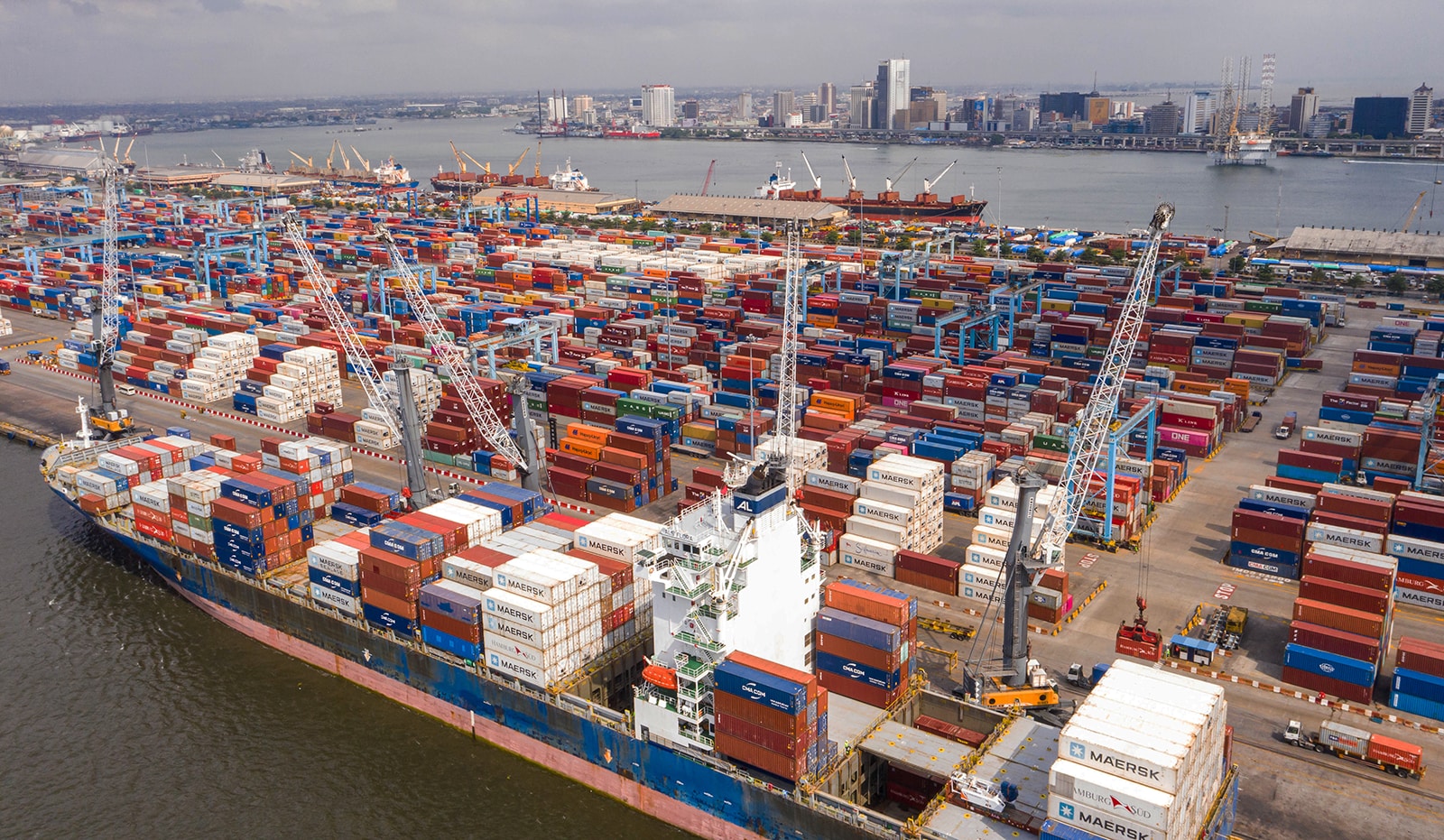
Nigeria’s Q2 2026 Trade Data Shows Export Growth but Highlights Diversification Challenge
Nigeria’s Q2 2026 trade figures point to growth in crude oil and refined petroleum exports, while questions remain over the country’s ability to expand manufactured, agricultural and solid-mineral exports.
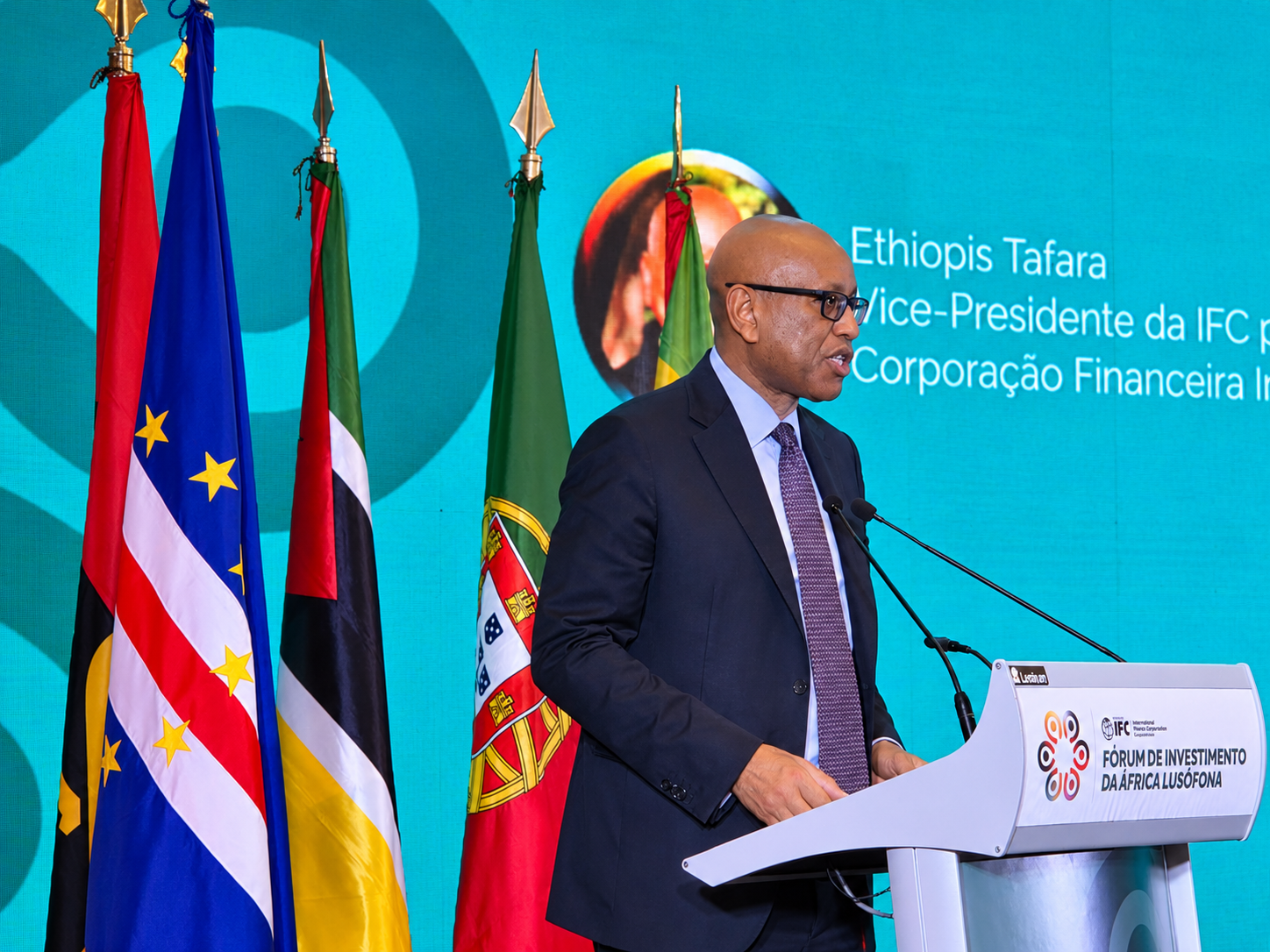
Ethiopis Tafara Highlights Investment Potential of Lusophone Africa, Urges Countries to Turn Opportunities Into Jobs
Ethiopis Tafara, vice president of the International Finance Corporation (IFC), has highlighted the economic potential of Portuguese-speaking African countries, calling for stronger regional cooperation, greater mobilization of private capital and investment that generates jobs and promotes inclusive growth. Speaking at the opening of the second edition of the Lusophone Africa Investment Forum, held on Sal …
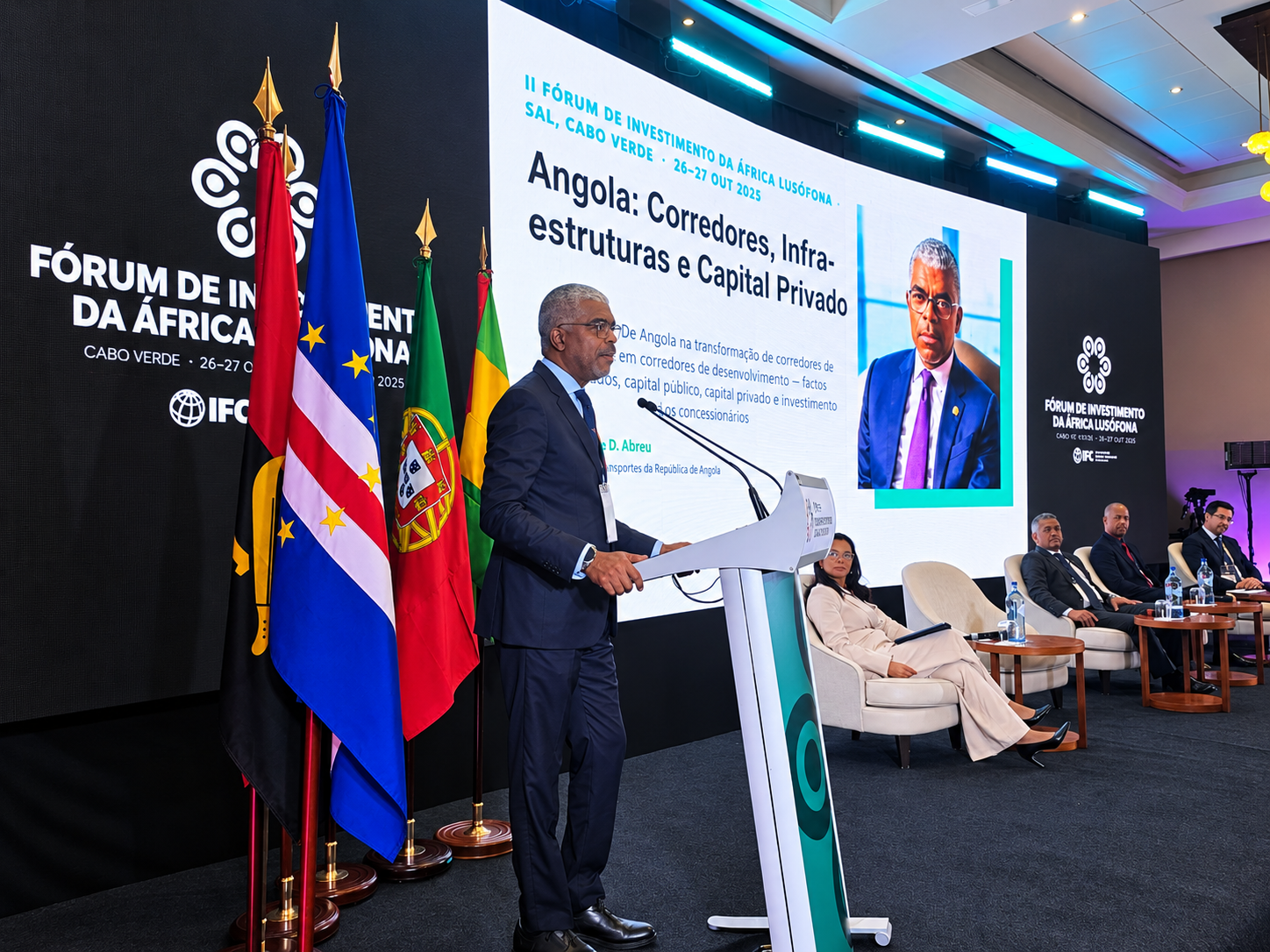
Lobito Corridor Identifies $13 Billion in Business Opportunities
Angola’s Minister of Transport, Ricardo de Abreu, on Monday highlighted more than 144 business opportunities valued at approximately $13 billion under the Lobito Corridor Master Plan. The opportunities span 10 economic sectors across seven Angolan provinces. Speaking at the Lusophone Africa Investment Forum on the challenges and opportunities involved in developing African infrastructure, with a …
More from Freddie Hiney
Rough Patch: South Africa’s Diamonds Aim To Make The Cut Again
Strolling along the famed V&A Waterfront in Cape Town, South Africa, it’s hard not to marvel at the Atlantic Ocean glistening around you, and Table Mountain standing firm and formidable in the distance. Some of nature’s finest jewels are on display, but today’s motive is about understanding the treasures beneath the Earth’s surface. At the …

‘Belief In Myself’: Temba Bavuma On The Mindset Shift And Goals Powering The Proteas
Captain Temba Bavuma’s form and ability to score big test runs has been a driving force behind South Africa’s resurgence in the five-day game that took them to the World Test Championship title last year. Up to March 2023, Bavuma averaged just under 35 in Test cricket, below par for a top-order batter and making …
How One Of The World’s Least Electrified Nations Is Turning On The Lights
A little over a quarter of Malawi can turn on the lights, World Bank data reveals, amid a billion-dollar wave of projects. Through a mix of hydro and renewables, the country of nearly 23 million people currently generates 566 megawatts (MW) of power, Malawi’s Minister of Energy, Jean Mathanga, tells FORBES AFRICA, before confirming the …
Recommended



The Daily Brief