

Russian Firm Signs Ghana Bauxite And Alumina Deal At Moscow Summit
Russian aluminium producer Rusal has agreed to develop a bauxite mine and an alumina refinery in Ghana, giving it access to new raw materials as the West African country seeks to expand domestic mineral processing. The agreement was signed with state-owned Ghana Integrated Aluminium Development Corporation (GIADEC) in Moscow on October 29 during the …


Russian aluminium producer Rusal has agreed to develop a bauxite mine and an alumina refinery in Ghana, giving it access to new raw materials as the West African country seeks to expand domestic mineral processing.
The agreement was signed with state-owned Ghana Integrated Aluminium Development Corporation (GIADEC) in Moscow on October 29 during the third Russia-Africa Summit, which brought together delegations from 48 African countries, discussing trade, investment, energy and security cooperation with Russia.
The agreement covers two joint ventures. Rusal will hold majority stakes in both, while the Ghanaian side will retain minority interests, including a 10% non-dilutable stake, according to the company.
Rusal said the proposed mine at Nyinahin in Ghana’s Ashanti Region could produce up to five million metric tons of bauxite annually, while the refinery would have capacity to produce 1.2 million metric tons of alumina a year.
Ghana wants to move beyond exporting raw ore and minerals by developing domestic refining and manufacturing capacity. GIADEC says the projects could create jobs and support improvements to rail and port infrastructure.
For Rusal, the deal offers an opportunity to strengthen its supply chain after losing access to alumina sources in Ukraine and Australia in 2022. The company already operates bauxite mines and an alumina refinery in Guinea in West Africa.
However, Rusal’s majority ownership raises questions about how much economic value Ghana will retain from the projects, particularly in the absence of disclosed investment commitments and details of local participation.
Gustavo de Carvalho, acting Head of the African Governance and Diplomacy Programme at the South African Institute of International Affairs (SAIIA), tells FORBES AFRICA: “Russia’s economic offer is narrow. It sells Africa wheat, fertilizer, arms and nuclear technology but buys very little back. Russian companies also lack the state-backed finance that Chinese, Gulf or European investors bring.”
De Carvalho says sanctions and payment difficulties have made trade harder, although Russia’s investment presence in Africa was limited even before the war in Ukraine.
African governments, he says, deal with Moscow where it has something specific to offer rather than relying on it alone.
He points to examples of Russian investments that have gone ahead, including Egypt’s El Dabaa nuclear power plant which is under construction, financed by a $25 billion Russian loan. But many other Russian nuclear agreements with African countries remain at the memorandum stage, he says.
The agreement comes as Russia aims to expand trade with Africa. Russian goods trade with the continent fell 2.4% in 2025, according to Federal Customs Service (FCS) figures reported by Interfax.
At the summit, Ghanaian President John Dramani Mahama called for better access to Russian markets for African exports, improved payment arrangements and greater investment in local processing and manufacturing.
Other announcements included mining cooperation agreements between Mali and Russia’s Rosgeologiya, and a nuclear energy cooperation roadmap between Rosatom and Uganda. The latter provides for assessments of Uganda’s nuclear infrastructure but is not a construction or financing contract.
Rosatom also announced long-term contracts to supply enriched uranium products to South Africa.
De Carvalho says the real test was not the number of documents signed, but ‘’whether any come with financing, timelines and African equity attached’’.
The Daily Brief
Get the daily FORBES.NG briefing.
Comments (0)
Sign in to join the conversation.
Related Stories
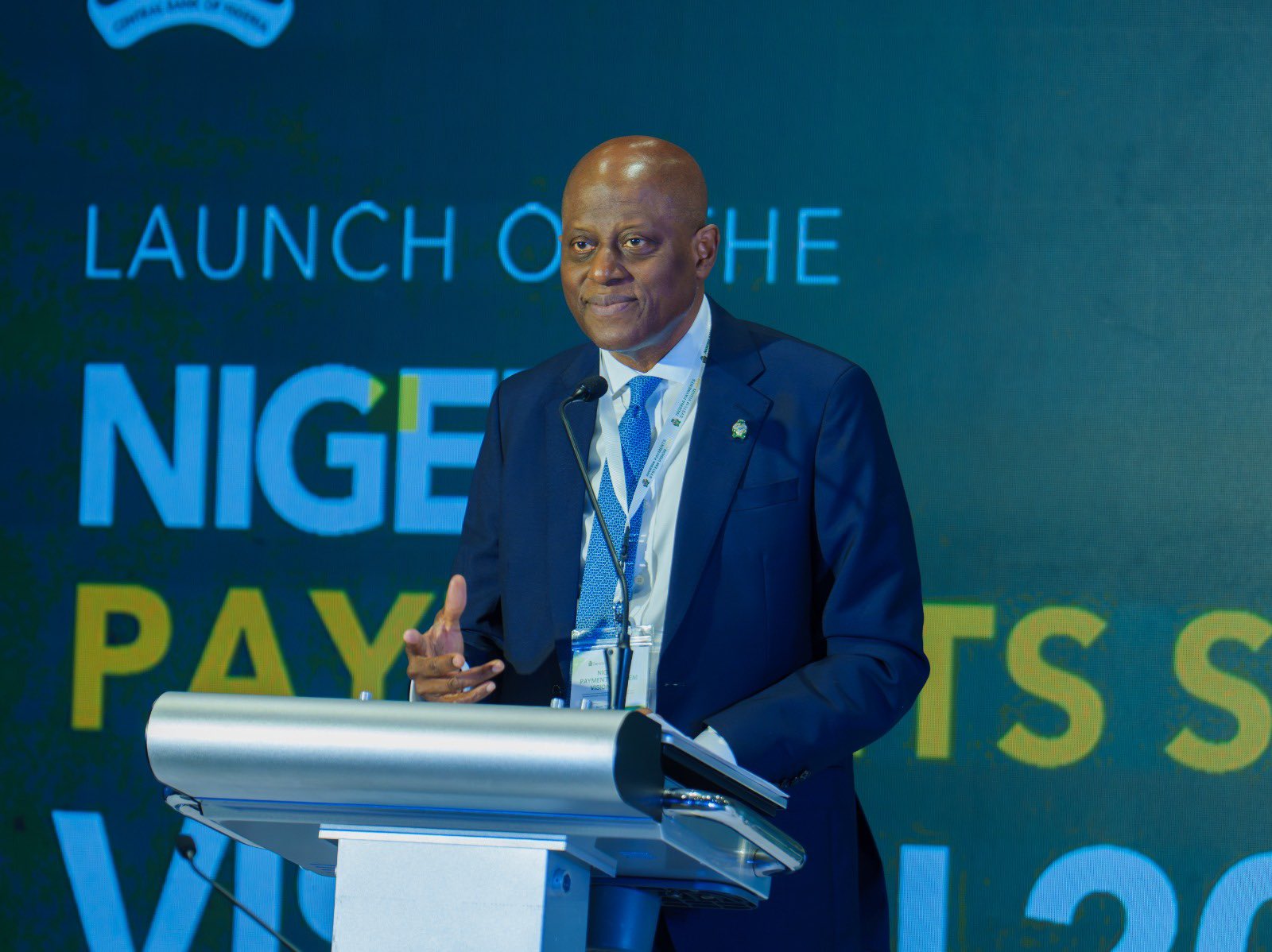
CBN Sets 2028 Target for 95% Financial Inclusion and Faster Digital Payments
The Central Bank of Nigeria’s Payments System Vision 2028 sets targets for wider financial access, faster transactions and lower electronic fraud losses as the country seeks to strengthen its digital finance ecosystem.
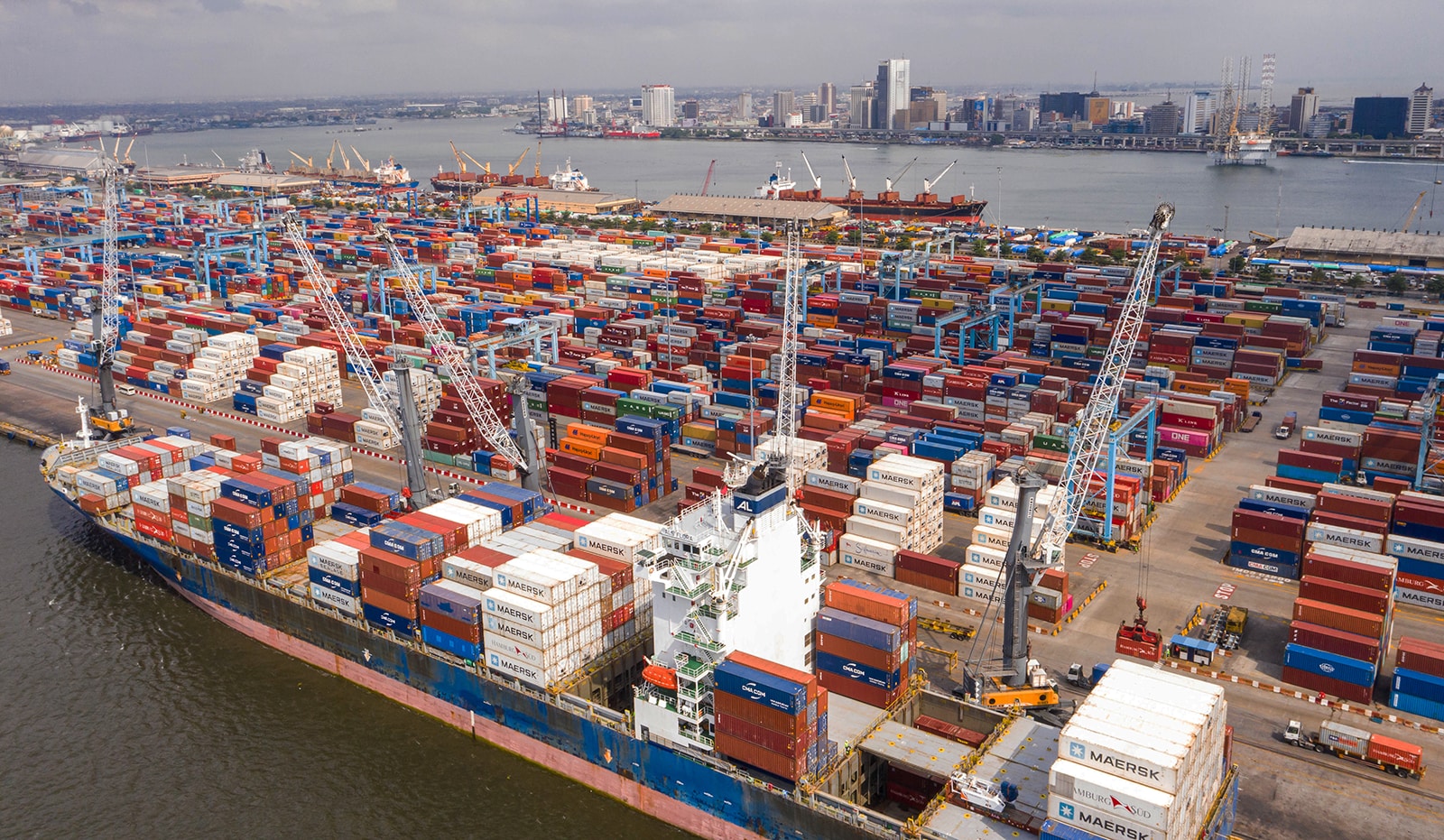
Nigeria’s Q2 2026 Trade Data Shows Export Growth but Highlights Diversification Challenge
Nigeria’s Q2 2026 trade figures point to growth in crude oil and refined petroleum exports, while questions remain over the country’s ability to expand manufactured, agricultural and solid-mineral exports.
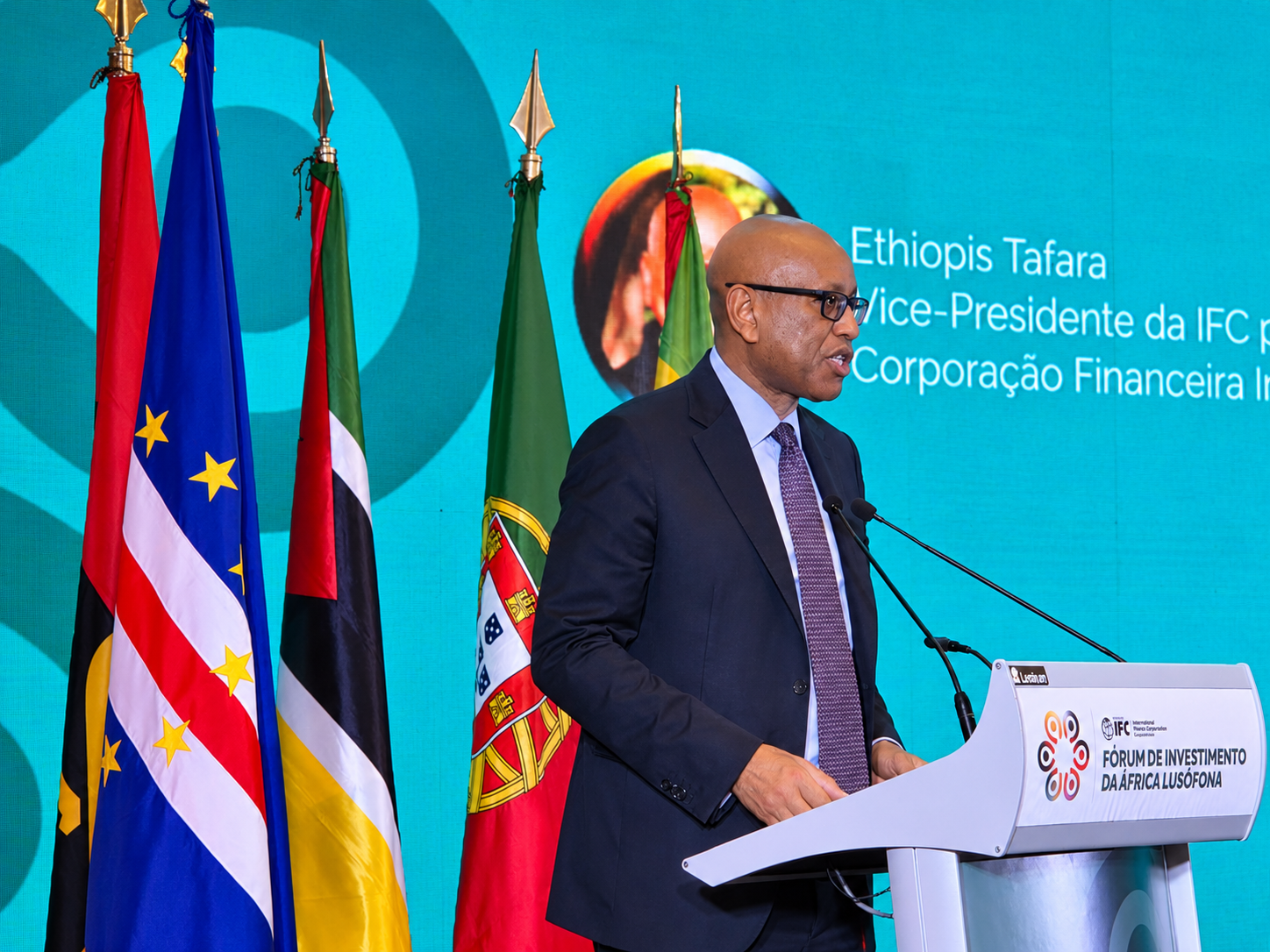
Ethiopis Tafara Highlights Investment Potential of Lusophone Africa, Urges Countries to Turn Opportunities Into Jobs
Ethiopis Tafara, vice president of the International Finance Corporation (IFC), has highlighted the economic potential of Portuguese-speaking African countries, calling for stronger regional cooperation, greater mobilization of private capital and investment that generates jobs and promotes inclusive growth. Speaking at the opening of the second edition of the Lusophone Africa Investment Forum, held on Sal …
More from FORBES.NG
CBN Sets 2028 Target for 95% Financial Inclusion and Faster Digital Payments
The Central Bank of Nigeria’s Payments System Vision 2028 sets targets for wider financial access, faster transactions and lower electronic fraud losses as the country seeks to strengthen its digital finance ecosystem.
Nigeria’s Q2 2026 Trade Data Shows Export Growth but Highlights Diversification Challenge
Nigeria’s Q2 2026 trade figures point to growth in crude oil and refined petroleum exports, while questions remain over the country’s ability to expand manufactured, agricultural and solid-mineral exports.

Larry Ellison’s Net Worth Falls $11 Billion As Oracle Shares Plummet To Four-Month Low
Topline Oracle co-founder Larry Ellison’s estimated net worth fell $11 billion Monday, tumbling as company shares fell to a four-month low after it revealed it is selling $20 billion of debt and equity to possibly fund its artificial intelligence offerings. This story was first published by Forbes Key Facts Ellison’s fortune fell $11 billion to …
Recommended

The Daily Brief